Hydrotherapy at home with your hot tub
Learn how to use a hydrotherapy hot tub at home: safe temperatures, jet use, session length, gentle exercises and how it differs from clinical therapy.
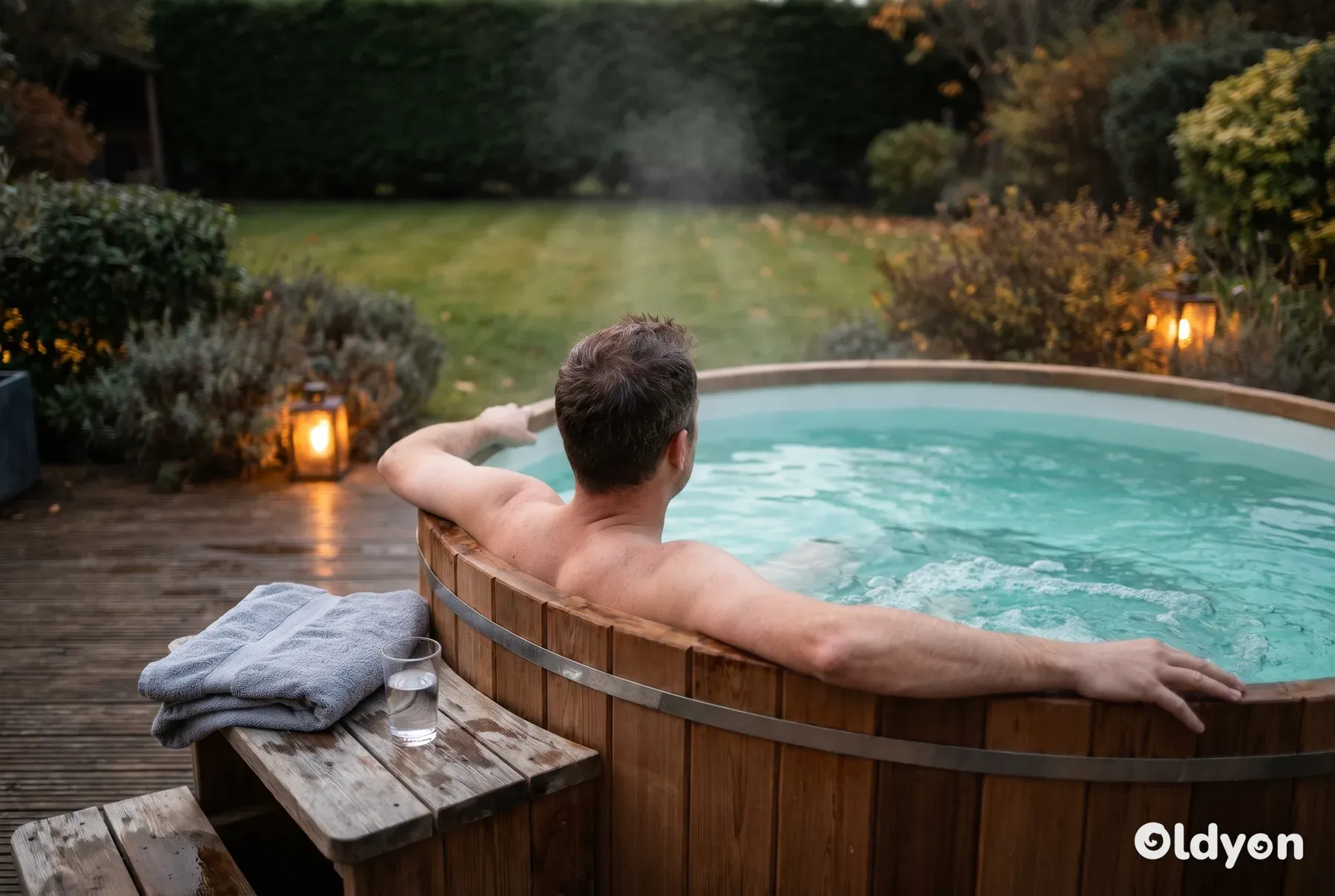
A hydrotherapy hot tub session uses warm water, buoyancy and targeted jets to ease stiffness and help you move more freely. At home, that means choosing a moderate temperature, aiming the jets with care, keeping sessions to about 15-20 minutes and adding a few gentle movements while the water supports your weight.
This guide is about using your hot tub on purpose, as a therapy tool rather than simply a place to relax. If you want the wider picture first, read our overview of hot tub health benefits and what the evidence shows.
This article is general information, not medical advice.
What does hydrotherapy mean in a home hot tub?
Hydrotherapy simply means using water to help the body. In a hospital or clinic, it usually refers to exercise in a warm pool led by a physiotherapist. At home, it means using the features of your hot tub deliberately, rather than just sitting in hot water.
Three things do most of the work: heat, buoyancy and pressure. You can adjust each of them, so understanding how they work helps you set up a session for what your body needs that day.
Heat
Warm water raises the temperature of your skin and muscles and widens the blood vessels near the surface. Many people find this eases stiffness and makes muscles feel looser, which is why a warm soak often feels good before gentle stretching.
As your joints warm up, the fluid inside them is thought to become thinner and more lubricating. This helps explain why a warm soak often loosens the stiffness many people feel first thing in the morning.
Heat also makes your heart work a little harder, because your body moves more blood to the skin to lose heat. That is the main reason temperature and session length matter so much in hydrotherapy.
Small studies suggest that regular warm-water immersion over about 8 weeks can reduce arterial stiffness and lower blood pressure in sedentary adults. This kind of passive heating may offer a low-impact stimulus for the heart and blood vessels in people who cannot exercise vigorously. It is not a substitute for medical care, so check with your GP first if you have heart or blood pressure problems.
Buoyancy
When you sit in water up to your chest, the water carries a large share of your body weight. This takes load off your hips, knees, ankles and lower back. Movements that feel stiff or sore on dry land may feel easier in the tub.
The deeper you sit, the less weight your joints carry. Figures quoted in physiotherapy guidance vary, but water up to the neck is generally said to carry roughly 90% of your body weight, so a person weighing 80 kg (about 180 lb) bears only around 8 kg (about 18 lb). At chest depth the reduction is smaller, but still large, which is why most hot tub seats already give the joints real relief.
Buoyancy is especially useful for three groups: people with arthritis, people recovering from surgery (only with their surgeon's agreement and once wounds have fully healed) and people carrying extra weight. In each case, the reduced load on the joints makes movement easier as soon as you are in the water.
Water pressure and jets
Still water presses evenly on the body, which gives a gentle feeling of support. The jets add moving water and air, which most people feel as a massage. Our guide to what makes hot tub jets powerful explains how nozzles, pumps and air controls change that feeling.
The moving water from the jets stimulates muscle tissue and activates pressure receptors in the skin. It may also help lymphatic drainage, the body system that carries excess fluid away from the tissues.
Jet massage may also lower levels of cortisol, a stress hormone, and trigger the release of endorphins, the body's natural pain-relieving chemicals. This helps explain why muscle tension often drops and mood often lifts within a single session.
How is home hydrotherapy different from clinical hydrotherapy?
Clinical hydrotherapy, sometimes called aquatic therapy, is a treatment. A physiotherapist assesses you, sets goals and designs a programme of exercises. They then watch how you respond and adjust the programme over several weeks.
A home hot tub is a different tool. It can help a great deal with comfort and gentle movement, but it does not replace a programme your physiotherapist has prescribed. The main differences are:
- Temperature: therapy pools are usually kept at around 33-36°C (91-97°F), cooler than most hot tubs, so you can exercise for longer without overheating.
- Space and depth: a therapy pool lets you stand, walk and move your arms and legs fully. A hot tub is mostly seated, with little room for standing exercises.
- Supervision: in a clinic, trained staff watch for problems and can help you in and out. At home, you are often on your own.
- Programme: a physiotherapist tailors exercises to your condition. At home, you choose what to do, so it makes sense to keep things gentle.
- Jets: therapy pools rarely use massage jets. Jets are one of the main things a hot tub adds.
The most useful approach is to see the two as working together. If you already see a physiotherapist, ask which of your exercises are safe to do seated in warm water, and at what temperature.
What water temperature works best for hydrotherapy?
There is no single right number. The best temperature depends on what you want from the session and how long you plan to stay in. As a general rule, the warmer the water, the shorter the session should be.
Most guidance from manufacturers and health bodies sets the upper limit at 40°C (104°F). Many owners find 37-38°C (99-100°F) comfortable for regular soaks. For exercise, a slightly cooler setting lets you move for longer without feeling drained.
Session goal | Water temperature | Typical length |
|---|---|---|
Gentle exercise and mobility | 34-37°C | 20-30 minutes |
Arthritis and sore joints | 33-38°C | 15-20 minutes |
Easing stiffness and relaxing | 37-38°C | 15-20 minutes |
Short warm soak | 38-40°C | 10-15 minutes |
Winding down before sleep | 37-38°C | 15-20 minutes |
These figures are a sensible starting point, not fixed rules. Manufacturers give different recommendations, so check your manual. If you have a health condition, ask your GP what temperature is suitable for you.
Warm-water therapy is widely recognised, including by arthritis charities, as a complementary treatment for arthritis. Heat and buoyancy together reduce joint stiffness, improve range of movement and lower how much pain you feel. It works alongside your prescribed treatment, not instead of it.
For arthritis, a range of about 33-38°C (91-100°F) is often suggested. This is slightly below the maximum, to avoid overheating inflamed joints. Sessions of 15-20 minutes once or twice a day, with the jets aimed gently at the affected knees, hips, hands or back, are a reasonable pattern to discuss with your GP or rheumatology team.
Your heater takes time to change the water temperature. If you want cooler water for an exercise session, lower the set point several hours beforehand, or the night before.
How should you use the jets therapeutically?
Jets feel good, but more pressure is not always better. Strong jets on a sore or inflamed area can make it feel worse. Holding a powerful jet on the same spot for a long time can also cause bruising.
- Start with the jets on low, or with the air controls closed, so you can judge how your body feels.
- Choose a seat where the jets line up with the area you want to work on, such as the lower back, shoulders or calves.
- Shift your position slightly every minute or two, so the water moves across the muscle instead of staying on one point.
- Increase the pressure gradually, and only while it still feels comfortable. Firm pressure is fine, but sharp or rising pain means you should ease off.
- Finish with a few minutes in still water or on low jets, so your muscles settle before you get out.
Do not aim jets directly at the front of the neck, the abdomen, varicose veins, recent injuries, open wounds or joints that are hot and swollen. During a flare-up of an inflammatory condition, still warm water is usually kinder than strong massage.
Footwell jets suit calves and feet well. A lounger seat lets you lie back so the water supports your whole spine, which many people with a stiff back find helpful. Our article on whether a hot tub can help lower back pain covers seating and posture in more detail.
If your back pain lasts more than a few weeks or keeps coming back, see a physiotherapist as well as using the hot tub. Buoyancy, heat and jets ease the symptoms, but they do not treat the cause, and a physiotherapist can give you exercises that build strength and prevent future episodes.
How long should a hydrotherapy session last?
For most healthy adults, 15-20 minutes at 38-40°C is a comfortable session. Cooler water allows a longer stay, so around 20-30 minutes at 34-37°C is reasonable for gentle exercise. Some manufacturers suggest different limits, so follow your manual where it is stricter.
The maximum time you should stay in falls as the temperature rises. A commonly used guide for healthy adults is:
- 37-38°C: up to about 30 minutes
- 38-39°C: about 20-25 minutes
- 39-40°C: about 15-20 minutes
- Above 40°C: not recommended at any length
Your body is a better guide than the clock. Get out straight away if you notice any of these signs:
- Feeling dizzy, light-headed or faint
- A headache or feeling sick
- A racing or pounding heartbeat
- Feeling unusually hot, flushed or confused
- Pain that is sharp or getting worse
If you feel unwell in the tub, get out carefully, sit somewhere cool and drink some water. If the symptoms do not pass, seek medical help.
Drink water before and after your soak, because you lose fluid through sweat even when you do not notice it. Avoid alcohol before or during a session. It adds to the effect of heat on your blood pressure and makes overheating more likely.
Alcohol and hot water are a particularly dangerous mix. Alcohol impairs your body's ability to control its temperature and raises the risk of drowning, so never use the hot tub while drinking.
Never use the hot tub alone if you have a condition that could make you faint, such as low blood pressure, heart disease or epilepsy, and never fall asleep in the water. At the end of every session, stand up slowly and hold the handrail as you step out.
If you use the hot tub after sport, our guide on how long to soak for muscle recovery explains how to time a soak around your training.
Which gentle exercises can you do in a hydrotherapy hot tub?
The water supports your weight and the warmth helps your muscles relax, so a hot tub is a good place for slow, controlled movement. Keep every exercise gentle, stay within a range that does not hurt, and stop if anything feels wrong.
You can do all of these seated. Aim for 5-10 slow repetitions of each, with a short rest between exercises.
- Ankle circles: lift one foot slightly and draw slow circles in each direction, then change feet.
- Knee straightening: sit back, slowly straighten one knee, hold for a few seconds, then lower it.
- Seated marching: lift one knee, then the other, as if marching slowly.
- Shoulder rolls: roll your shoulders up, back and down in a smooth circle.
- Arm sweeps: with your arms under the water, sweep them out to the sides and back in, feeling the water resist you.
- Hand and finger movements: open and close your hands, then spread your fingers and bring them together under the water.
- Gentle trunk turns: sit tall, turn your upper body slowly to one side, return to the centre, then turn to the other side.
- Neck tilts: move one ear slowly towards your shoulder, return to the centre, then repeat on the other side without forcing the stretch.
Standing exercises are possible in some hot tubs, but the floor can be slippery and the seats are uneven. If you stand, hold the edge or a grab rail at all times, and avoid anything that needs you to balance on one leg.
People with joint conditions often feel stiffest in the morning. Our article on whether a hot tub can help arthritis looks at timing and joint care. The NHS also has information on arthritis and staying active.
If you have arthritis, do your gentle range-of-movement exercises straight after the soak, while the tissues are still warm. Some people find that consistent warm-water therapy reduces their need for painkillers, but never change your medication without your doctor's advice.
A simple session plan
- Check the water temperature on the control panel and test the water balance.
- Drink a glass of water, then get in slowly using the steps and handrail.
- Sit in still water for 3-5 minutes so your body can adjust to the heat.
- Do your gentle exercises for 5-10 minutes with the jets off or on low.
- Turn the jets on and spend about 5 minutes on the area that needs it most.
- Finish with a minute or two of quiet sitting and slow breathing.
- Stand up slowly, get out carefully and drink some more water.
When is the best time of day for a therapy soak?
In the morning
A short, slightly cooler soak can help you loosen up if you wake feeling stiff. Keep it brief and gentle, and give yourself a few minutes to cool down before you get dressed and start your day.
Aim the jets at your neck, shoulders and lower back, where tension tends to build up overnight. Follow the soak with about 5 minutes of gentle stretching while your muscles are still warm. This can especially help people with rheumatoid arthritis or fibromyalgia, whose first hour of the day is often the most painful.
After exercise or physical work
After a long walk, a gym session or a day of gardening, warm water can help tired muscles feel more comfortable. If you have a new injury with swelling, avoid heat for the first few days, because warmth can increase swelling.
- Wait about 30 minutes after exercise before you get in, so your heart rate can settle.
- Drink about 500 ml (about 17 fl oz) of water before your soak, because you are more likely to be dehydrated after exercise.
- Aim the jets at the muscles you trained, such as your thighs after leg exercises or your shoulders after upper-body work.
- Keep the soak to about 15-20 minutes at around 38-39.5°C, which is a typical post-workout pattern.
Some studies have found that warm-water immersion after exercise reduces how sore people feel 24 and 48 hours later. This delayed-onset muscle soreness comes from tiny damage to muscle fibres and the inflammation that follows. Warmth increases blood flow, which is thought to help clear waste products from the muscle.
Warm water is also thought to speed the clearance of metabolic by-products such as lactic acid and to reduce markers of inflammation in the body. The research is still developing, so treat the soak as one part of recovery alongside rest, food and fluids.
In the evening
Many people use the hot tub to wind down. A warm soak followed by time to cool off may help you feel ready for sleep. Try to finish one to two hours before bed, rather than going straight from the hot tub into bed.
A warm soak raises your core body temperature, and it drops quickly once you get out. This drop mimics the natural fall in body temperature that comes before sleep and signals your body clock to start winding down. A review of research on warm bathing 1-2 hours before bed found it shortened the time taken to fall asleep by about 10 minutes on average.
The same research also found better scores for overall sleep quality, not just a shorter time to fall asleep. In other words, people tended to rate their night's sleep as better after a warm bath at the right time.
To make the most of this, dim the lights around the tub and avoid screens after you get out. Go straight to a cool, dark bedroom, because the contrast with the warm water strengthens the signal to sleep.
For ongoing sleep problems, regularity matters more than any single soak. Around 3-4 evenings a week is often suggested as enough to give a more lasting improvement. If poor sleep continues, speak to your GP.
Who should speak to a GP before using a hot tub for therapy?
Warm water is gentle on joints, but heat puts extra demands on the heart and circulation. Speak to your GP or specialist before starting regular sessions if any of these apply to you:
- Heart disease, or blood pressure that is high, low or not well controlled
- A recent heart attack or other recent cardiovascular event
- A history of stroke or blood clots
- Diabetes, especially with reduced feeling in the feet, because heat can affect your blood sugar as well as your circulation
- Severe peripheral neuropathy, where you cannot reliably feel how hot the water is
- Multiple sclerosis, since heat can temporarily make symptoms worse
- Epilepsy or a history of fainting
- Rheumatoid arthritis, psoriatic arthritis or another inflammatory condition, particularly during a flare-up
- Skin conditions, including a flare-up of eczema, open wounds or recent surgery
- Medicines that affect your blood pressure, heart rate or alertness
- Anticoagulants (blood thinners) or sedatives
- Older age, because the body regulates its temperature less efficiently as you get older
Do not use the hot tub at all when you have a fever. Adding heat from the water on top of a raised body temperature is dangerous.
If you are not sure whether your medicines are affected by heat, a pharmacist can advise you. Many people with multiple sclerosis find that cooler water suits them better, so ask your MS team what temperature to use.
Psoriatic arthritis
If you have psoriatic arthritis, keep the water at or below about 38°C, because higher temperatures can trigger psoriasis flares. Begin with 10-15 minutes and build up to 20 minutes if your skin tolerates it. Keep the jets away from any active plaques.
After the soak, pat your skin dry gently and apply your prescribed moisturiser straight away. If you take biologics or other medicines that suppress the immune system, check with your rheumatology team first, because these raise the risk of infection from the water.
Multiple sclerosis
Many people with multiple sclerosis experience Uhthoff's phenomenon, a temporary worsening of symptoms when body temperature rises. If your neurologist agrees that hot tub use is suitable, keep the water to about 37-38°C at most and stay in for only 10-15 minutes. Have someone with you for the first several sessions, and get out at once if your symptoms worsen.
Some research suggests that carefully controlled warm-water therapy at no more than 37-38°C may reduce muscle spasticity and fatigue and improve quality of life in people with relapsing-remitting multiple sclerosis. This only applies when sessions are short and body temperature is monitored, so agree a plan with your MS team first.
If you do use the jets, keep them gentle and direct them at the muscle groups affected by spasticity, which are typically the legs and lower back.
If symptoms appear at any temperature, stop using the hot tub altogether and tell your MS team.
Restless legs syndrome
Restless legs syndrome is a condition of the nervous system. It causes uncomfortable sensations in the legs and an overwhelming urge to move them, especially in the evening and at night.
It is a common condition. Estimates vary between studies and countries, but it is often said to affect around 7-10% of people, and the NHS notes that many cases are mild.
Some people with restless legs syndrome find that a warm soak with gentle leg movement in the evening helps them relax. The evidence is limited, so treat it as something to try, and see your GP if your symptoms often disturb your sleep.
Warm water may help by improving circulation to the legs, while jet massage may ease the muscle overactivity that can set off an episode. Some people report the best relief from a short soak every evening, although this has not been well tested.
Poor circulation and muscle tension are two of the factors people with restless legs most often link to their symptoms, and warm water acts on both. This is a likely reason so many people find a warm soak soothing, even though it does not treat the underlying condition.
One approach often suggested is a soak of about 20 minutes at 38-39°C, finishing 60-90 minutes before bed. Aim the jets at your calves, the backs of your thighs and the soles of your feet, changing legs about every 5 minutes. If you take medicines for restless legs, particularly medicines that act on dopamine, talk to your neurologist or GP before you start regular soaks.
Pregnancy and fertility
If you are pregnant, the NHS advises avoiding hot tubs because of the risk of overheating. Treat this as a firm rule rather than a mild caution, especially in the first trimester, and speak to your midwife if you have any questions.
A raised core temperature in early pregnancy is linked to a higher risk of neural tube defects, which affect the developing brain and spine of the baby. This is why hot tubs are best avoided during pregnancy.
For men trying for a baby, frequent hot soaks raise the temperature around the testicles, which may temporarily affect sperm quality. Shorter, cooler sessions are worth considering, and your GP can give you personal advice.
A common suggestion is to keep sessions under about 15 minutes at no more than about 39°C. Any fall in sperm count or sperm movement caused by heat is temporary and reverses once the heat exposure stops.
Period pain, fibromyalgia and perimenopause
Heat has been studied as a treatment for period pain. Warmth on the lower abdomen and back helps relax cramping in the womb, and one trial that compared heat with ibuprofen found it gave similar relief. A soak with gentle jets on your lower back during the first 1-2 days of your period may help.
Heat is thought to work in two ways. It widens blood vessels, which improves blood flow to the area, and it may calm the effect of prostaglandins, chemicals that cause the muscle of the womb to tighten and cramp. If period pain is severe or changes, speak to your GP.
Studies of warm-water bathing, known as balneotherapy, have shown reduced pain, fatigue and stiffness in people with fibromyalgia. Some early evidence also suggests regular soaks may ease the sleep problems and low mood of perimenopause. Both are worth discussing with your doctor before you start.
Fibromyalgia is diagnosed far more often in women than in men. Older estimates put the difference at about seven to one, although newer diagnostic criteria suggest the gap is smaller. This is one reason warm-water therapy is often discussed as an option for women.
Prostate and PSA tests
Hot tub use has no proven effect on the PSA blood test used in prostate checks. If you are worried about your PSA level, see your GP or a urologist rather than trying to treat it with soaking.
Vigorous exercise is different. Cycling hard shortly before a PSA test can raise the reading for a short time, so follow your GP's instructions about avoiding strenuous exercise beforehand. A hot tub soak has not been shown to have the same effect.
Why does water quality matter more when you use the hot tub for therapy?
Therapy use often means daily, warm soaks by the same people. Warm water suits bacteria, and sweat, skin cells and body products use up sanitiser quickly. Well balanced water protects your skin, eyes and lungs.
Poorly kept water can cause hot tub rash, an itchy skin infection caused by Pseudomonas bacteria. It can also spread Legionnaires' disease, a serious form of pneumonia caused by Legionella bacteria. Good water care protects your health as well as your hot tub.
- Free chlorine: 3-5 ppm, or bromine: 3-5 ppm
- pH: 7.2-7.6
- Total alkalinity: 80-120 ppm
- Calcium hardness: 150-250 ppm
Heat breaks down chlorine faster in a hot tub than in a swimming pool, so the water chemistry can drift out of range quickly. Body oils, lotions and cosmetics also use up sanitiser. If you use the tub several times a day, test the water more than once a day.
If you use the tub every day, test the water before each session. Shower before you get in, keep the cover on between soaks and follow your manufacturer's advice on draining and refilling.
As a general guide, change the water about every 3 months, or as often as your manufacturer recommends. Clean and inspect the filter roughly once a month.
Be realistic about the downsides of using a hot tub for therapy. There is an ongoing cost in electricity, test kits and chemicals, and regular effort to keep the water balanced. There are also health risks to manage: infection from poorly kept water, dehydration, heat exhaustion and interactions between heat and some medicines.
If you have an active skin condition, a weakened immune system or a recent surgical wound, even well-kept hot tub water carries some risk of infection. A clinical hydrotherapy pool, which is held to stricter hygiene standards, may be the safer choice. Ask your physiotherapist or doctor which is right for you.
The Health and Safety Executive explains why hot tubs need careful water management to control Legionella bacteria. The same principles are worth following in a private garden.
Do not use the hot tub if you have had diarrhoea or vomiting in the last 48 hours, or if you have an open wound or skin infection. This protects you and everyone else who shares the water.
Your hydrotherapy starting point
Start with water at 37-38°C, keep sessions to 15-20 minutes and use the jets on low before building up. Add a few seated exercises while the water supports you, and get out at the first sign of dizziness or discomfort.
A regular 15-20 minute evening soak is a simple, drug-free way to reduce stress. A good first step is 15 minutes at around 38°C, noting how you feel afterwards and building up gradually over the following weeks.
Treat your hot tub as a helpful partner to professional care, not a replacement for it. Keep the water balanced, drink plenty of water and speak to your GP, pharmacist or physiotherapist if you have a health condition or any doubts.
Frequently asked questions
Can a hot tub replace physiotherapy or clinical hydrotherapy?
No. A physiotherapist assesses you, plans exercises for your specific condition and adjusts them as you progress. A hot tub is hotter, smaller and unsupervised, so it suits comfort and gentle movement rather than structured rehabilitation. Many people use both: ask your physiotherapist which exercises you can safely repeat at home in warm water, and at what temperature.
Is it safe to use a hot tub for therapy every day?
For most healthy adults, a daily soak is fine if the water is no hotter than 40°C, sessions stay at around 15-20 minutes and you drink enough water. Daily use does mean testing the water more often, because sanitiser is used up faster. If you have a heart condition, blood pressure problems or take regular medicines, check with your GP first.
Can norovirus survive in a hot tub?
Norovirus is fairly resistant to chlorine, so correctly sanitised water lowers the risk but cannot remove it completely. The main protection is behaviour: never use the hot tub within 48 hours of diarrhoea or vomiting. If anyone is sick in the water, everyone should get out, and you should follow your manufacturer's advice on shock treatment or draining.
Does hydrotherapy in a hot tub help with weight loss?
Not in any meaningful way. Sitting in warm water raises your heart rate slightly, but it does not replace exercise. Any weight change after a soak is mainly fluid lost through sweat, which returns once you drink. Where a hot tub can help is by making gentle movement more comfortable, which may make it easier to stay active.
Can a hot tub help me keep to an exercise routine?
It can, indirectly. A hot tub is not a weight-loss tool, but a warm soak may help you sleep better and feel less sore after training. Both can help you recover faster between sessions, which makes it easier to keep exercising regularly. Treat the hot tub as a recovery aid that supports your workouts, and keep doing the exercise itself.
Do I need special jets for hydrotherapy at home?
No. Gentle exercise and soaking work in any hot tub with clean water at a suitable temperature. Adjustable jets help, because you can lower the pressure for sore areas and increase it for tight muscles. Jets aimed at the lower back, shoulders and calves are useful, along with a lounger seat if you like to lie back.
Should I use the hot tub during a flare-up of arthritis?
Some people find warm water soothing during a flare-up, while others find heat makes hot, swollen joints feel worse. If you try it, use cooler water, keep the jets off the inflamed joints and keep the session short. If your symptoms worsen afterwards, stop and ask your GP or rheumatology team for advice.
Filed under