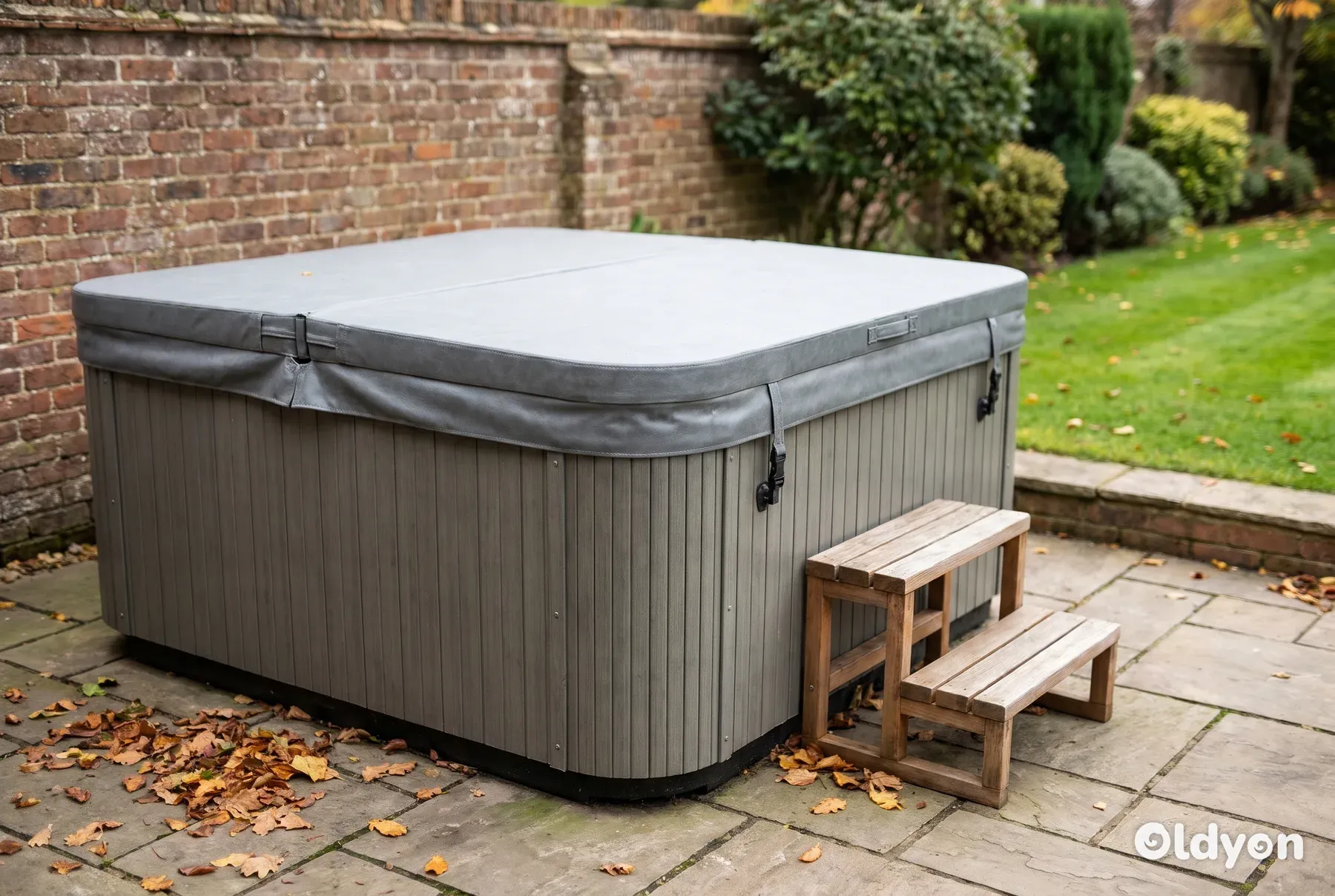
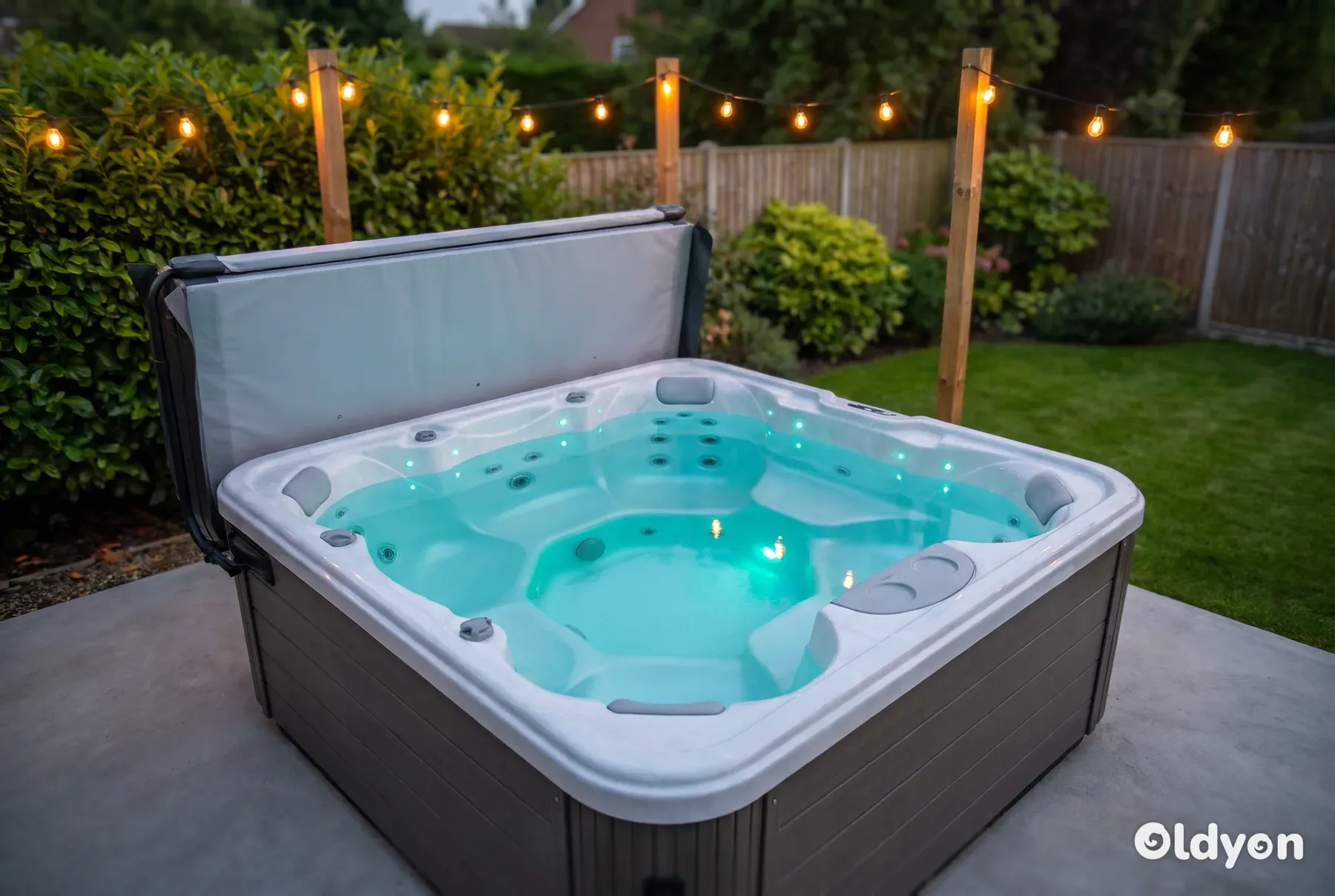
Is a 1 person hot tub worth it?
Is a 1 person hot tub worth it? Learn who a solo tub suits, the compact options, how running costs compare per person, and when a lounger or inflatable wins.
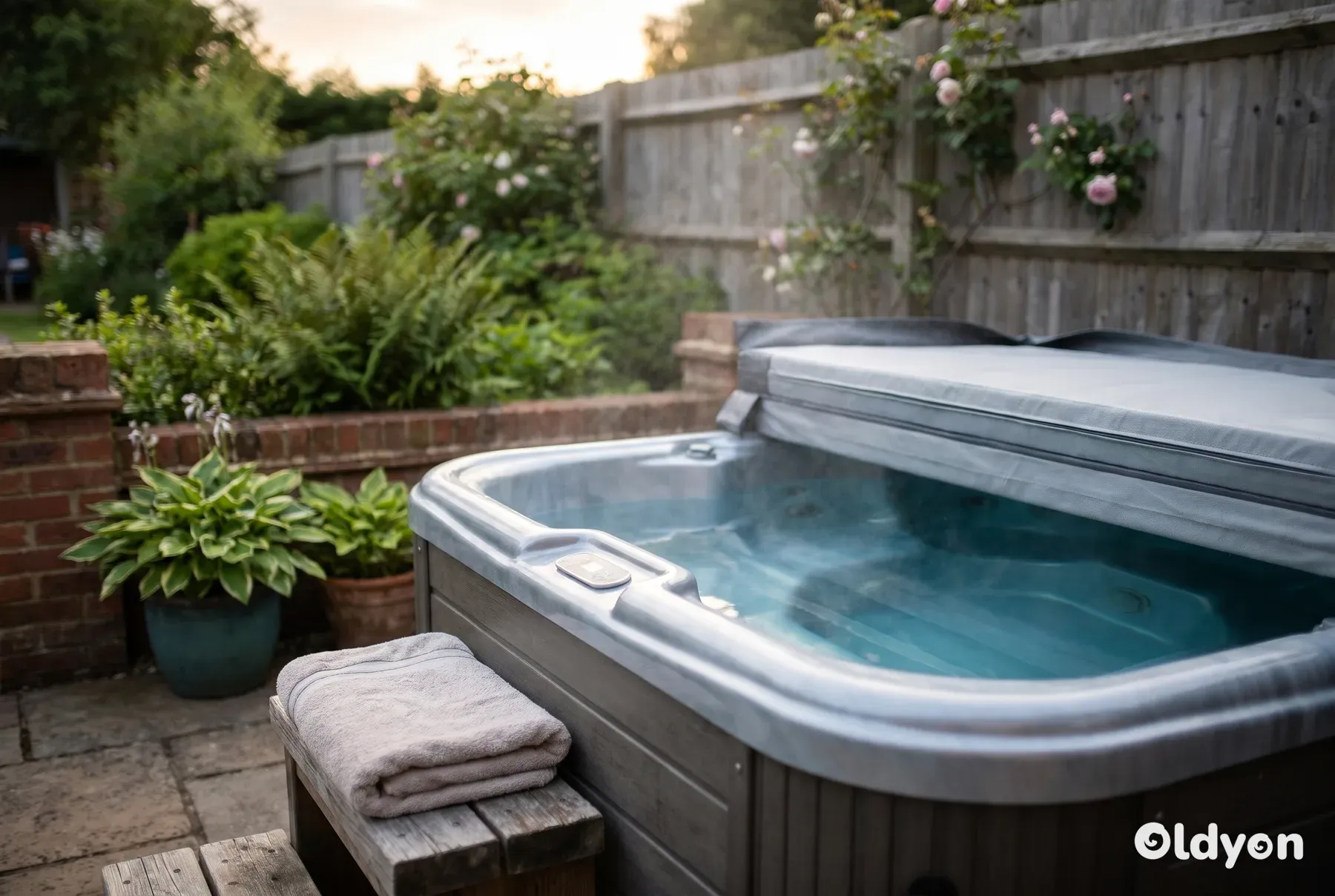
A 1 person hot tub is worth it if you will almost always soak alone, have little space, or want lower water and chemical bills. If a partner, friend or family member is likely to join you even now and then, a two person lounger tub usually gives better value for a small extra cost.
Solo tubs are a niche product, so the choice is smaller than for family-sized models. Below, you will find who they really suit, what compact options exist, how running costs work out per person, and the situations where a slightly bigger tub or an inflatable is the smarter buy.
Who is a 1 person hot tub best suited to?
A one person tub makes most sense when your soaking routine is genuinely solo. Think of someone who lives alone, a shift worker who soaks at odd hours, or a person who uses warm water to relax tired muscles after sport or a long day on their feet.
Space is the other big reason. Small tubs can fit on a narrow patio, a corner of decking or a courtyard where a standard tub would dominate the whole area. If you are working with a tight plot, our guide to fitting a hot tub into a small garden covers layout, access and privacy in more detail.
A solo tub suits you well if most of these are true:
- You expect to use it alone at least nine times out of ten.
- Your outdoor space is small or awkward to reach with large equipment.
- You want to keep water volume, chemical use and refill time to a minimum.
- You prefer a short, hot soak to long social sessions.
- You are not planning to sell the house soon, as a solo tub has a narrower appeal to buyers.
It is a weaker choice if you have a partner who might enjoy it, children who will want to try it, or friends who visit in summer. In those homes, people often regret buying the smallest size within the first year.
What compact hot tub options can you buy?
True one-seat tubs exist, but there are not many of them. Most people shopping for a solo soak end up comparing three types of small tub, each with clear strengths and weak points.
The reason single-seat tubs are rare is cost. A one-seat shell needs almost the same pump, heater, controls, cabinet and cover as a two-seat shell, so it costs the maker nearly as much to build. That is why most ranges start at one to two person or two person sizes.
Hard-shell solo and compact tubs
These are small acrylic tubs with a rigid, insulated cabinet and a fitted insulated cover. Some have a single moulded seat, while others are a short, deep bench for one or two people. They hold heat far better than inflatables and are built to run all year.
Hard-shell tubs use pump-driven water jets. These push water through nozzles in the seat and walls, which gives a much firmer massage than an inflatable can.
Two person lounger tubs
These have two seats side by side, often with one or two reclining lounger positions. They take up only a little more floor space than a solo tub, and you can stretch out fully when using it alone. Our guide to choosing a 2 person hot tub explains seating layouts and what to look for.
Small inflatable tubs
Inflatables are the cheapest way into hot tub ownership. Small round or oval models are sold as two to four person tubs, but in practice they feel roomy for one adult. They are portable and need no installation, but they lose heat faster and are less comfortable to sit in for long periods.
Inflatables use air bubble jets rather than water jets. Air is blown through small holes in the floor or walls, which feels gentle and fizzy rather than firm.
Round inflatables are measured on the outside, and their walls are thick. A tub about 180 cm (about 71 in) across may be only about 130 cm (about 51 in) across inside. Always check the inner dimension before you buy.
Type | Typical price band | Heat retention | Best for |
|---|---|---|---|
Hard-shell solo tub | Low thousands of pounds | Good | Daily solo use, all year |
Two person lounger | Low to mid thousands | Good | Mostly solo, sometimes shared |
Small inflatable | Hundreds of pounds | Fair to poor | Trying it out, summer use |
Larger family tub | Mid thousands and up | Good | Regular groups of three or more |
Prices vary widely by brand, features and where you live, so treat these as broad bands only. Always compare the full spec sheet, not just the headline price.
How much space and support does a small tub need?
Even a small tub needs a flat, level base that can carry its full weight. That means the tub itself, the water and the people in it. Water weighs about 1 kg per litre, so a tub holding 500 litres (about 130 US gallons) puts half a tonne of water on the base before anyone climbs in.
Leave room around the tub to open the cover, step in safely and reach the service panel. Check the manufacturer's clearance figures, as they differ between models. Our article on hot tub dimensions and how much space you need walks through this step by step.
Many people buy a solo tub with a balcony or roof terrace in mind. A small footprint does not mean a light load, because the weight is concentrated in a small area. Read our guide on whether you can put a hot tub on a balcony and get a structural engineer to check before you buy.
Space and weight for a small inflatable
Most small inflatables measure about 150-190 cm (about 59-75 in) at their longest point. Plan for around 2 m (about 6.5 ft) of clear, level ground, plus extra room around the pump unit so you can reach it and air can flow around it.
Small one to two person inflatables are often oval, roughly 190 x 120 cm (about 75 x 47 in). That shape fits a narrow patio or a spot along a fence or wall better than a round tub, which needs equal space in both directions.
These tubs typically hold about 550-670 litres (about 145-177 US gallons), so the water alone weighs roughly 550-670 kg (about 1,210-1,480 lb). The tub and the people in it add to that. If you are unsure whether a deck can take the load, place the tub on a ground-level concrete pad instead.
How do running costs compare per person?
Most of a hot tub's running cost is heating. A tub loses heat mainly through its cover, its surface and its cabinet walls, and it gains heat through the heater and the pumps. The number of seats matters less than many people expect.
Heating
A smaller tub holds less water, so it needs less energy to heat up from cold after a refill. Once it is at temperature, the daily cost depends mostly on insulation quality, cover fit, outdoor temperature and how often you open it.
Size still matters when you choose an inflatable for solo use. A round two to four person inflatable typically holds about 670 litres, against about 550 litres for a small oval model. If you soak alone, you pay to heat that extra water every time you refill, and the larger volume also takes longer to reach temperature.
This is why a well-insulated two person tub can cost a similar amount to run as a poorly insulated solo tub. If two people use the two person tub, the cost per person can actually be lower than the solo tub used by one.
To work out your own figures, multiply the energy used in kilowatt hours (kWh) by the unit price on your electricity bill. A smart meter display, or the tub's own energy readout if it has one, makes it easy to measure a typical week.
As a rough guide, a portable electric tub uses around 1,600-1,700 kWh a year. At a unit price of about 25p per kWh, that is roughly £400 a year. How often you use it, the insulation and the weather can change this a lot, so treat it as a starting point only.
Chemicals and water
Chemical use scales with water volume and with how many people use the tub. A small tub with one bather needs smaller doses, and refills use less mains water. Filters for small tubs are often cheaper too.
Do not expect a solo tub's chemical bill to be tiny, though. Even one bather creates a high sanitiser demand in such a small volume of water, and hot water breaks sanitiser down faster than a swimming pool does.
Sanitiser demand depends mainly on the bathers, not on the amount of water. Sweat, skin oils and other residues from your body use up sanitiser, so a single person in a small hot tub can need roughly as much sanitiser as dozens of swimmers in a swimming pool. When you budget for a solo tub, plan for chemicals as well as electricity.
The catch is that small volumes react faster. A little too much chlorine, or one heavy session, can push the water out of range quickly. You will spend less on products but may need to test a little more often.
Ways to keep costs down in any small tub
- Choose a thick, well-fitting insulated cover and replace it when it gets waterlogged.
- Shelter the tub from wind with a fence, screen or planting.
- Keep the lid closed except when you are in the water.
- Lower the temperature a few degrees if you will not use the tub for several days.
- Use off-peak heating if your tariff and the tub's controls allow it.
- Use a programmable heating timer, if the tub has one, so it heats only for the times you plan to soak.
- Use delayed heating when you go away. Some inflatable control panels can schedule heating up to about 40 days ahead, so the water stays cool while you are away and is warm when you return. Check your manual for the exact limit.
When is a two person lounger tub the better buy?
For many solo soakers, a two person lounger is the sweet spot. The footprint is only a little larger, the price step is usually modest, and you get a full-length reclining seat that a true one-seat tub often cannot offer.
A lounger tub is the better buy when:
- There is any real chance someone will share it with you.
- You are tall and want to stretch out with your shoulders under the water.
- You want more jet positions and seat options for different parts of your back and legs.
- You may sell your home in the next few years and want wider appeal.
- Your space can take a slightly longer tub without blocking paths or doors.
If you are thinking even bigger, our guide to 3 person hot tubs and who they really suit explains when the extra seat is worth the extra space and running cost.
When is an inflatable the better buy?
An inflatable is a sensible first step if you are not sure you will use a hot tub often. You can find out how much you enjoy it, and how often you really soak, for a fraction of the cost of a hard-shell tub.
Inflatables also suit renters, people who move often, and anyone who only wants a tub in the warmer months. You can drain, dry and store them over winter.
Think about who else might use it before you choose a shape. Small oval one to two person inflatables of about 190 x 120 cm are a tight fit for two adults. If a second adult will sometimes join you, a round two to four person inflatable is more comfortable to share, although it costs more to heat when you use it alone.
How quick is an inflatable to set up?
Setting up an inflatable takes minutes, although heating the water takes much longer. Follow your manual, but the usual steps are:
- Clear and level the ground, then lay a protective ground sheet to guard the tub floor against punctures and abrasion from stones or rough paving.
- Unfold the tub on the sheet and inflate it with the built-in pump.
- Fill it with a garden hose to the marked water level.
- Plug it into a suitable weatherproof, RCD-protected outdoor socket.
- Set the temperature, fit the cover and leave it to heat.
Once the tub is running, you do not need to switch the heater on and off by hand. Most inflatable heaters have a thermostat that stops heating when the water reaches the set temperature and starts again when the water cools.
Know the limits before you buy one:
- Heat loss is higher, so costs rise sharply in cold weather.
- Many models cannot run the heater and the bubbles at the same time.
- Heaters are usually less powerful, so heating from cold can take a long time.
- A typical inflatable heater of about 1.3-1.5 kW raises the water only around 1-1.5°C (about 2-3°F) per hour, so heating a fresh fill from cold tap water can take a day or more.
- Running the bubbles while the tub is heating cools the water and slows warm-up, even on models that allow both at once.
- Soft walls and a floor seat are less supportive than moulded seats.
- Some manufacturers set a minimum air temperature for use. Check your manual.
Lifespan is another difference. A well-maintained inflatable typically lasts about 3-5 years, while a good acrylic hard-shell tub often lasts 10-20 years.
Budget inflatables are fine for occasional soaks. If you expect to use one more than two or three times a week, a better-built model usually pays back in durability, support and running costs.
If you find yourself using an inflatable most days after a few months, that is a good sign a hard-shell tub would be worth the investment.
What should you check before you buy a small hot tub?
Small tubs vary a lot in build quality. Comparing a few key points will tell you far more than the number of jets or the colour of the lights.
- Interior size: judge a small tub by its interior length or inner diameter, and by where the jets sit for one seated person, not by the advertised number of bathers.
- Insulation: ask what type of insulation is used in the cabinet and under the floor.
- Cover: look for a thick, tapered cover with a good seal and locking straps.
- Electrical supply: check whether it runs from a 13 amp plug or needs a dedicated supply.
- Seat depth: make sure the water reaches your shoulders when you sit.
- Filtration: check filter size and how easy filters are to remove and clean.
- Child lock: look for a lock on the control panel so children cannot change the temperature or settings.
- Covers and filters for unusual shapes: if the tub is oval or an unusual shape, check that replacement covers and filters are easy to get, because standard round covers will not fit.
- Warranty: compare cover for the shell, the equipment and labour separately.
- Local support: find out who will service the tub and how quickly parts arrive.
Common mistakes to avoid include buying on price alone, ignoring the base and access route, and choosing a one-seat tub when a partner was always likely to want a turn.
Extra checks for inflatables
- What comes in the box: check whether the price includes the heater-pump unit, an insulated cover, filter cartridges, a ground sheet and any side table. Each missing item adds to the real cost.
- Insulation: look for insulated walls and an insulated cover. Some makers claim these cut heat loss by up to 40% compared with basic models, so compare their stated figures with care.
- Freeze protection: check for a mode that runs the heater automatically to stop the pump and liner being damaged in frost, especially if you plan to keep the tub up in autumn or winter.
- Wall material: drop-stitch or reinforced multi-layer PVC walls are stiffer and resist punctures better, so compare material thickness or layer count.
- Wall structure: look for internal air-holding beams or ribs inside the walls. These help the tub keep its pressure and shape, so the sides sag less and you need to top up the air less often.
- Brand support: generic, unbranded inflatables often have patchy warranty terms and spare-part supply, so read the warranty and check that replacement filters and parts are widely sold.
Electrical supply in the UK
Some compact hard-shell tubs and most inflatables plug into a standard 13 amp outdoor socket. Larger tubs usually need a dedicated circuit, often labelled as a 32 amp supply. Whichever type you choose, the circuit must have RCD protection and meet BS 7671, the UK wiring regulations.
New outdoor circuits should be installed by a registered electrician. In England and Wales, this work falls under Part P of the Building Regulations. Other countries have their own rules, so check with a qualified local electrician. The charity Electrical Safety First has clear guidance on outdoor electrics.
Never run a hot tub from an extension lead or a cable reel unless the manufacturer specifically allows it. Plug directly into a weatherproof, RCD-protected outdoor socket, and test the RCD regularly using its test button.
Is it safe to use a hot tub on your own?
For most healthy adults, soaking alone is safe if you take sensible steps. The main risks are overheating, feeling faint when you stand up, and slipping on the way in or out. With nobody else there, it is worth being a little more cautious.
- Keep the water no hotter than 40°C (104°F), and lower if you prefer longer sessions.
- Limit sessions to around 15-20 minutes at full temperature, then cool off.
- Set a timer on your phone before you get in, because overheating can happen faster than you expect when nobody else is there to notice.
- Avoid alcohol before and during a soak, as it raises the risk of fainting.
- Keep a phone within reach but away from the water.
- Use a clip-on side table or a small surface beside the tub for a drink or phone. You can reach them without leaning over a soft inflatable wall, and the phone stays away from the water.
- Stand up slowly and hold a handrail or the tub edge when you get out.
- Drink water before and after your soak.
Hot water raises your core body temperature. Your blood vessels widen to shed heat, which puts extra strain on your heart and circulation. That is why some health conditions carry more risk in a hot tub.
The NHS advises that people who are pregnant should take care with hot tubs and saunas because of the risk of overheating. If you are pregnant, speak to your midwife before using one. If you have a heart condition, high or low blood pressure, or take medicine that affects blood pressure, speak to your GP or pharmacist first.
If you have any chronic health condition or take regular prescription medicine, check with your GP before using a hot tub, even for short, cooler sessions. Children under five should not use a hot tub, as they overheat much faster than adults.
Get out straight away if you feel dizzy, sick, short of breath or unusually tired. Cool down, sit somewhere safe and drink water. If the symptoms do not settle, seek medical help.
How do you keep a small volume of water balanced?
Small tubs need the same water targets as large ones, but changes happen faster. Aim for these widely used ranges, and check your manual, as some manufacturers set slightly different figures:
- Free chlorine: 3-5 ppm, or bromine: 3-5 ppm
- pH: 7.2-7.6
- Total alkalinity: 80-120 ppm
- Calcium hardness: 150-250 ppm
Follow this routine to stay on top of a small tub:
- Check your tub's water volume in the manual, so every dose is based on the real figure.
- Test the water before each use, or at least three times a week.
- Adjust total alkalinity first, then pH, then sanitiser.
- Add chemicals in small amounts with the pumps running, and wait before retesting.
- Shower before you get in to reduce the load on the sanitiser.
- Rinse the filter weekly and deep clean it as the manufacturer recommends.
- Drain and refill on the schedule in your manual, or sooner if the water stays cloudy.
Take care with the volume figure on an inflatable. Water capacities for inflatables are usually quoted at about 80% fill, not filled to the brim. Check which fill level the stated volume refers to, and fill to the marked line, before you use that number to work out chemical doses.
Inflatable filter cartridges wear out, so they need replacing, not just rinsing. Many control panels flag a filter change after roughly 120-170 hours of filtration, but follow the interval your manual gives.
A floating chlorine or bromine dispenser helps release sanitiser steadily between tests in a small tub. Start with it on a low setting, take it out while you soak, and keep testing, because a dispenser does not replace regular checks.
Warm water that is poorly maintained can grow harmful bacteria, including Legionella. The Health and Safety Executive explains the risks, and the same principles of good disinfection and filtration apply to home tubs.
Measure carefully in a small tub. A dose meant for a large tub can push a small tub far out of range. Always follow the dosing instructions for your water volume, never mix chemicals together, and store them dry and out of reach of children.
So, is a 1 person hot tub worth it?
A one person tub is worth it if you soak alone almost every time, have very little space, and want the lowest water and chemical use. A hard-shell model gives the best comfort and heat retention for year-round use.
If anyone else might join you, a two person lounger usually offers better comfort and value for a small extra cost. If you are unsure how often you will use a tub, a small inflatable is a low-risk way to find out before spending more.
Frequently asked questions
Does anyone make a one-person hot tub?
Yes, but the choice is limited. A few manufacturers make compact hard-shell tubs with a single seat, and some sell short two-seat tubs that work well for one. Many small inflatables are sold as two to four person models but feel comfortable for one adult. Searching for compact or two person lounger tubs will give you far more options than searching for single-seat tubs alone.
Can two adults share a one-person hot tub?
Usually not comfortably. A true solo tub is shaped for one body, so a second person will often sit on the edge or squeeze into a space without proper seating or water depth. If sharing is likely even occasionally, a two person tub is the better choice. Overloading a tub can also push the water level too high and strain the sanitiser.
Can I use a small inflatable hot tub in winter?
Some people do, but it is harder and costs more. Inflatables lose heat faster than hard-shell tubs, and many have small heaters that struggle in cold, windy weather. Some manufacturers set a minimum air temperature for use, so check your manual. An insulated ground mat, a sheltered spot and a well-fitting cover all help keep heat in.
How often should I change the water in a small hot tub?
Follow the schedule in your manual, as it is based on that tub's volume and filtration. Small tubs with heavy use may need refilling more often than large ones, because dissolved solids build up faster in less water. Change the water sooner if it stays cloudy, smells strongly, foams, or will not stay balanced despite correct dosing.
What is the most reliable hot tub brand?
There is no single answer, and reliability varies between models from the same brand. Look at warranty length on the shell and equipment, the quality of insulation and cover, and whether a local dealer can service the tub and supply parts quickly. Ask how long the brand has supported its products in your country, and read independent owner reviews where available.
Which medical conditions mean you should avoid a hot tub or get advice first?
If you are pregnant, speak to your midwife before using a hot tub, as the NHS advises care because of the risk of overheating. If you have heart disease, high or low blood pressure, or take medicine that affects your heart or blood pressure, speak to your GP or pharmacist first. Children under five should not use a hot tub at all, because they overheat much faster than adults.
Are hot tubs good for fibromyalgia?
Some people with fibromyalgia find warm water soothing for stiff or aching muscles, but responses vary and it is not a treatment. Studies of warm-water aquatic therapy found improvements in sleep quality, pain and quality of life, but these were supervised exercise sessions, not home soaks. Heat can also cause fatigue or dizziness in some people. Speak to your GP before starting regular use, begin with shorter sessions at a lower temperature, and stop if your symptoms feel worse afterwards.
Filed under