Types of hot tubs explained for UK buyers
Types of hot tubs compared for UK buyers: inflatable, rotomoulded, acrylic, wood fired, swim spa and built-in, with prices, running costs and lifespan.
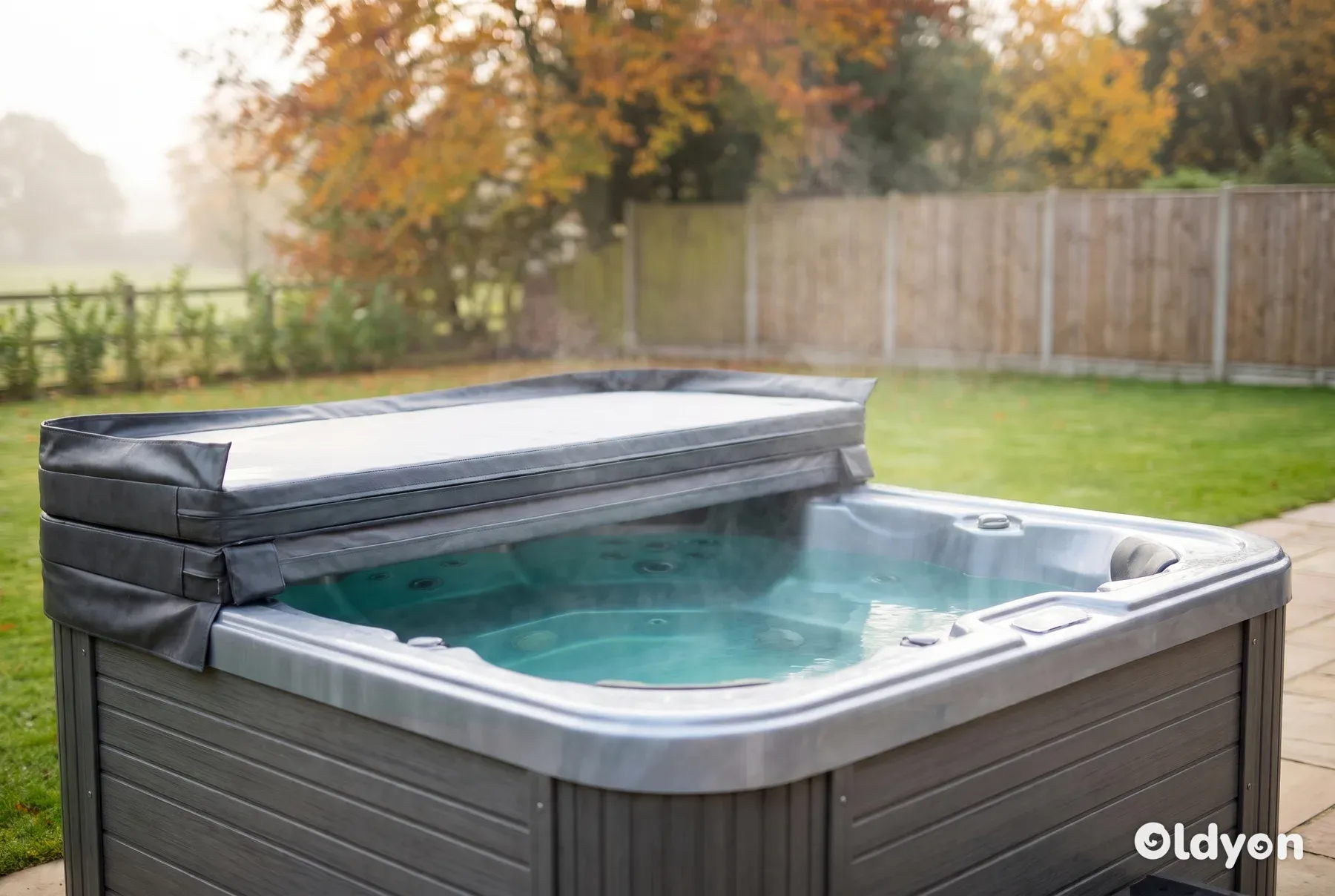
The main types of hot tubs sold in the UK are inflatable, rotomoulded plastic, acrylic hard shell, wood fired, swim spas and built-in tubs. They differ most in upfront price, how well they hold heat, how long they last and how much groundwork and electrical work they need before you can use them.
This guide compares all six side by side, then looks at each one in turn. It finishes with the power supply rules for UK gardens, the buying mistakes that cost people the most money, and a quick way to match a tub to your garden and budget.
What are the main types of hot tubs?
The table below gives a rough comparison. Prices are broad UK ranges for the tub itself and change with size, features and the retailer, so treat them as a starting point rather than a quote. Lifespans assume sensible care, a good cover and balanced water.
Type | Rough price band | Typical lifespan | Installation needs |
|---|---|---|---|
Inflatable | £300 to £1,200 | About three to five years | Flat ground, 13A outdoor socket |
Rotomoulded | £2,500 to £6,000 | About ten to fifteen years | Level base, often 13A plug-in |
Acrylic hard shell | £4,000 to £15,000+ | Ten to twenty years | Solid base, usually a dedicated circuit |
Wood fired | £2,000 to £8,000 | Ten years or more | Level base, safe stove area, no mains needed |
Swim spa | £15,000 to £40,000+ | Ten to twenty years | Reinforced base, crane access, large supply |
Built-in | Often £15,000+ installed | Shell can last decades | Groundworks, drainage, plant access |
Running costs do not follow the purchase price neatly. A cheap inflatable can cost more to keep hot in winter than a well insulated acrylic tub, because thin walls and a basic cover let heat escape quickly. Your electricity tariff, how often you use the tub and how cold your garden gets all matter more than the label on the box.
A fairer way to compare types is the total cost over about five years. Add the purchase price, the base and any electrical work, then electricity, chemicals, filters and likely repairs, plus a replacement tub if the type you choose is unlikely to last that long. The cheapest tub to buy is not always the cheapest to own.
Jets also differ a lot between types. Inflatables give only an air bubble sensation, rotomoulded tubs typically have about 10 to 25 water jets, and acrylic tubs commonly have about 20 to 60 or more. Most wood fired tubs have none, while swim spas and built-in spas vary with the design.
Are inflatable hot tubs worth it?
An inflatable hot tub is a PVC or reinforced vinyl shell with a separate pump, heater and air blower unit. It plugs into a standard outdoor socket and can be set up in an afternoon. For many people it is the cheapest way to find out whether they will actually use a hot tub.
Setting one up is simple. You usually inflate the walls with the pump supplied in the box, then fill the tub from a garden hose. The setup itself can take under an hour, although heating the water takes much longer.
The trade offs are heat and comfort. Most inflatables have bubble jets rather than water jets, and you sit on the floor rather than on moulded seats. Heaters are small, so warming the water from cold can take a day or more, and many units cannot run the bubbles and the heater at full power at the same time.
Most inflatables can only heat the water to a maximum of about 40°C (104°F). In cold weather they may struggle to reach that temperature or to hold it once the cover comes off.
Lifespan is the other weakness. Seams, valves and pump units wear out, and punctures from pets or sharp edges are common. Many manufacturers advise against running inflatables in freezing weather, so check your manual before planning winter use.
With careful use, most inflatables last roughly three to five years. If you plan to own a hot tub for longer than that, budget for at least one replacement when you work out the total cost.
Check the seating claims too. Inflatables are often advertised as seating four to six people, but most feel comfortable with only two or three adults, because everyone sits on the floor and the thick walls take up much of the space.
One real advantage is flexibility. You can drain, deflate and pack an inflatable away for the off-season, which suits people who only want to use a hot tub in summer and have a dry place to store it.
If you rent, read your tenancy agreement before you buy. Some leases forbid any hot tub in the garden, even a portable inflatable one, so ask your landlord for written permission if the agreement is unclear.
- Good for: trying hot tub ownership, renters with permission, small budgets, summer use.
- Less good for: year round use, people with back or joint problems who need proper seating, very cold or exposed gardens.
- Running costs: low to buy, but heating costs can climb sharply in winter.
If you are torn between a first inflatable and going straight to a permanent tub, our guide to inflatable vs hard shell hot tubs goes into the details of comfort, heat loss and long term cost.
What is a rotomoulded hot tub?
A rotomoulded tub is made from polyethylene plastic heated inside a rotating mould, so the shell and outer cabinet form one tough, seamless piece. It looks like a hard shell tub and has moulded seats and water jets, but it is lighter and usually cheaper than acrylic.
Many rotomoulded tubs are sold as plug-in models that run from a 13A socket, which avoids the cost of a new circuit. They are hard to damage, so they suit families, holiday lets and gardens where the tub may need moving later.
Polyethylene resists cracking, knocks and UV fading better than acrylic, which is why rotomoulded tubs are popular with holiday lets and campsites. The surface is usually textured rather than glossy, so small scuffs show less.
The shell is easy to clean and needs little upkeep. That makes a rotomoulded tub a low-stress choice for busy households and rental properties, where nobody wants to spend long on care between uses.
A rotomoulded tub typically lasts about 10 to 15 years. That is usually shorter than a well kept acrylic tub, so factor it in if you plan to keep the tub for a long time.
Not every rotomoulded tub is a plug-in model. Some are sold as hardwired versions that need a dedicated circuit, so check which supply a model needs before you choose it.
- Pros: tough shell, lighter weight, simpler installation, fewer parts to go wrong.
- Cons: fewer seat shapes and jet options, plainer finish, insulation varies a lot between models.
- Running costs: moderate; check how much foam insulation there is and how thick the cover is.
Why is the acrylic hard shell the most common choice?
Acrylic tubs are what most people picture when they think of a hot tub. A sheet of acrylic is heated and shaped over a mould, then reinforced with fibreglass or resin and fitted into a cabinet. This allows deep, shaped seats, a lounger, many jet types and a smooth surface that is easy to clean.
Many acrylic tubs let you choose or arrange jets to target specific areas, such as the back, neck, shoulders and feet. This suits people who want to soak to ease sore muscles after work or exercise, so try the seats and jets in a test soak if you can.
The acrylic surface is non-porous and resists UV fading, which matters for a tub that sits in sunshine for years. A non-porous surface also gives dirt fewer places to settle, so routine wiping is quick.
Insulation is the feature to compare closely. Some tubs are filled with foam all around the plumbing, others insulate only the walls and floor of the cabinet. Ask the retailer what method is used, and look for a thick, tapered cover that fits snugly, because a lot of heat leaves through the top.
Acrylic tubs are heavy once filled. A tub holding 1,500 litres (about 400 US gallons) carries 1.5 tonnes of water before anyone gets in, so it needs a level, solid base such as a concrete slab or a properly engineered platform. Most larger models also need a dedicated electrical circuit.
As a guide, a typical four-person acrylic tub measures about 2.1 to 2.3 metres (roughly 7 to 7.5 feet) square and weighs roughly 180 to 270 kg empty. Once filled with water and bathers, the total commonly rises to around 1.6 to 2.3 tonnes.
A concrete base for an acrylic tub is commonly at least about 10 cm (4 inches) thick, but follow the manufacturer's base instructions if they ask for more. Budget for the base alongside the tub, because it is part of the real purchase cost.
Read the warranty closely. Typical acrylic tub warranties run about five to ten years on the shell and two to five years on pumps, heaters and other components. A very short warranty on the equipment is a warning sign, because those parts do most of the work.
Repairs to the pumps, heater and control system usually need a trained spa technician rather than DIY. These parts combine mains electricity and water, and opening them yourself may also affect the warranty, so check who can service the tub in your area before you buy.
An acrylic tub makes most sense if you expect to soak at least two or three times a week. That level of use justifies the higher price and installation work. If you only expect occasional use, a cheaper type may suit you better.
You will often hear acrylic tubs called jacuzzis. That is a brand name rather than a type of tub, and our article on why jacuzzi and hot tub get mixed up explains the difference.
- Pros: most comfortable seating, widest choice of sizes and features, jets that can target specific muscle groups, good heat retention on better models, long life with care.
- Cons: higher upfront price, usually needs a new circuit and a proper base, delivery may need a clear path or a crane, repairs usually need a trained technician.
- Running costs: generally the most predictable of the electric types if the insulation and cover are good.
How do wood fired hot tubs work?
A wood fired tub uses a stove to heat the water instead of electricity. The stove sits either inside the tub behind a guard or outside it, connected by pipes so hot water rises out of the stove and cooler water flows back in. The tub itself is either timber, commonly cedar, spruce or larch and sometimes thermally treated, or a fibreglass or acrylic liner inside a timber surround.
Cedar, spruce and larch are chosen because they naturally resist moisture and decay. That natural resistance helps a timber tub last for years outdoors, where it stays wet for long periods and is exposed to the weather.
A timber wood fired tub suits a natural or rustic garden, a cabin or a rural setting, where its look is part of the appeal. In a very modern garden it can look out of place, so think about how it will sit with your patio and planting.
Most timber tubs are round or barrel shaped. That shape keeps the exposed water surface small for the volume of water, which reduces heat loss while the tub is in use.
Heating time depends on the size of the tub, the starting water temperature and the dryness of your firewood, so it can take a few hours. You need to stir the water and check it with a thermometer, because the water near the stove can get much hotter than the rest. Keep the water at or below 40°C (104°F).
As a rough guide, a four-person tub usually takes about two to three hours to reach soaking temperature from cold. Dry firewood, a mild day and a smaller volume of water all shorten that time, while damp wood and cold weather lengthen it.
Because heating takes hours, a wood fired tub suits planned weekend or evening soaks rather than a quick dip after work. Using it every day is possible, but it takes real effort to light, tend and refuel the stove each time.
Most wood fired tubs have no filtration, so the water is usually drained and refilled far more often than in an electric tub. Some models can be fitted with a filter and sanitiser system, which lets you keep the water longer. Timber tubs also need to stay partly filled so the wood stays swollen and the joints stay watertight.
If you keep the water between uses, test and adjust pH and sanitiser by hand, because there is no automatic system to do it for you. Bromine is a common choice for hot water. Even with good care, expect to change the water roughly every two to four weeks with regular use.
Chlorine works as a sanitiser in a wood fired tub as well as bromine. You can use whichever you are comfortable with, as long as you test the water and keep the level in range. Check the tub manufacturer's advice too, as some give specific guidance for timber.
You also need space to store a supply of dry firewood near the tub, under cover so it stays dry. Budget for fuel each year, because it becomes your main running cost.
Check with your local council whether smoke control rules apply where you live, and think about where the smoke will drift. Our guide to owning a wood fired hot tub covers fuel, cleaning and day to day use in more detail.
- Pros: no mains power needed, suits off grid sites, simple mechanics, a relaxed ritual many owners enjoy.
- Cons: slower to heat, needs attention while heating, frequent refills, no jets on most models, hard to use on impulse.
- Running costs: firewood and water rather than electricity; cost depends heavily on how often you fill and fire it.
Is a swim spa a hot tub or a pool?
A swim spa is a long tank, often around four to six metres (roughly 13 to 20 feet), with powerful jets at one end that create a current to swim or exercise against. Some have a single body of water kept at a moderate temperature, others have two separate zones: a cooler swim area and a hotter spa area.
In a dual zone model, the swim area is typically kept at about 26 to 29°C (79 to 84°F) for exercise, while the spa area is kept at about 38 to 40°C (100 to 104°F) for soaking. Check the manual for the settings your model recommends.
Swimming or walking against the current is low-impact exercise that is easy on the joints. Families often use a swim spa as a small pool for children during the day and as a hot tub for adults in the evening.
The strength of the current can usually be adjusted. This lets swimmers of different ability or fitness set a pace that feels comfortable, from a gentle walk against the flow to a steady swim. Check how many speed settings a model has before you buy.
Because a swim spa holds many times more water than a standard hot tub, everything is bigger. It needs a reinforced base, usually a crane or specialist equipment to deliver, and a larger electrical supply. Some dual zone models need two separate supplies, so ask before you buy.
Swim spas often weigh about 450 to 900 kg empty, and larger models can weigh more, before any water is added. That is why delivery may need a crane or forklift, and why the base must be designed for the full filled weight.
If you mainly want to soak and relax rather than swim, a swim spa is rarely worth the extra cost. A standard hot tub gives better value for soaking, with less water to heat and treat.
- Pros: exercise and relaxation in one unit, low-impact on the joints, adjustable current for different abilities, takes far less space than a pool, usable most of the year.
- Cons: highest upfront cost of the portable options, heavy, more water and chemicals to manage, poor value if you only want to soak.
- Running costs: the highest of the electric types, mostly from the volume of water you keep warm.
What does a built-in hot tub involve?
A built-in hot tub is set partly or fully into the ground or into a raised deck. It might be a standard acrylic tub sunk into a pit, or a custom concrete or tiled spa built on site. Either way, it is a construction project rather than a delivery.
A spa built on site can use a sprayed concrete shell, a preformed fibreglass shell or a vinyl liner. It is then finished in tile, render or natural stone to match the patio or garden.
Because it is built on site, a custom spa can be made to almost any shape and size. That includes larger layouts with more seating, which suits households that like to entertain groups of friends or family.
A built-in spa is designed from scratch, so it can be fitted with larger pumps and heaters than most portable tubs. That means it can support some of the strongest jet and heating setups available, if that matters to you.
The work usually includes excavation, a structural base, drainage so the pit cannot flood, and a service area for the pump, heater and filters. Plan proper access to that equipment, because a tub that needs to be lifted out for a simple repair becomes very expensive to maintain.
Use an experienced specialist pool and spa builder rather than a general contractor. Check their references and visit or view past work, and make sure they handle any building control, planning and electrical certification the project needs.
Expect a standalone built-in spa to take about four to eight weeks to build, and up to around twelve weeks if it is combined with a pool. Weather, ground conditions and contractor availability can all add time.
A built-in spa can be connected to a swimming pool, so bathers move between a cool swim and a hot soak. The two usually share plumbing and heating, which keeps the equipment in one place.
When a spa and pool are connected, they can still be held at different temperatures. The pool can stay cool for swimming while the spa stays hot for soaking. Ask the builder how the system separates the two and what that means for heating costs.
A tub set at ground or deck level can be easier to step into than one with a raised side to climb over. The same low edge makes it easier for children or pets to fall in, so fit a lockable safety cover and keep it closed when the tub is not in use.
Day to day care is closer to looking after a small pool than a portable tub. There is often more water to balance, more surfaces to clean and more equipment to service, so allow time for it or budget for a maintenance contract.
A built-in tub is a poor fit if you might move within about five years. It cannot come with you, and you are unlikely to recover its full cost when you sell the house.
A hot tub itself does not usually need planning permission, but surrounding structures can. In England, for example, raised decking more than 30 cm (about 12 inches) above the ground normally needs permission, and rules are stricter for listed buildings and conservation areas. Check with your local planning authority before you start.
Our comparison of above ground and inground hot tubs looks at the trade offs in cost, safety and maintenance in more depth.
What power supply does a hot tub need in the UK?
You may see American guides talking about 110V and 220V hot tubs. Those figures refer to North American supplies. In the UK, homes run at 230V, so the real choice here is between a plug-in tub on a 13A socket and a tub wired into its own dedicated circuit.
Plug-in tubs on a 13A socket
Inflatables and many rotomoulded tubs plug into a standard weatherproof outdoor socket. The limit of 13A means the heater and jets often cannot run at full power together, so the water cools while the jets are on. That is fine for many owners, but it can be frustrating in cold weather.
Plug-in tubs suit smaller two to three person tubs and lighter or occasional use best. If several people will use the tub often, or you want to soak most days through the winter, a hardwired tub will usually serve you better.
Before you plug a tub in, check its rating label or specification sheet for the current it draws. This confirms that the tub is designed to run from a 13A socket. If the label shows a higher figure, or you are unsure, ask an electrician.
Plug the tub directly into an outdoor socket with RCD protection. Never use an extension lead or a multi-way adaptor, as they can overheat under a hot tub's continuous load.
To check whether an outdoor socket has RCD protection, follow these steps before you connect the tub:
- Look at the socket itself. If it has its own Test and Reset buttons, the RCD is built into the socket.
- If the socket has no buttons, look in your consumer unit for an RCD that covers the circuit feeding the outdoor socket.
- Check the labels in the consumer unit to confirm which RCD protects that circuit.
- If you cannot confirm that the socket is protected, do not connect the tub until an electrician has checked it.
Plan where the outdoor socket sits so the tub's own lead reaches it without an extension. Have the socket fitted and the site ready before delivery day, so the tub can be filled and switched on as soon as it arrives.
Hardwired tubs on a dedicated circuit
Most acrylic tubs and all swim spas are hardwired. They usually need a dedicated circuit from your consumer unit, commonly 32A, though some need more or less, so check the specification sheet. The circuit needs 30 mA RCD protection and a lockable isolator near the tub for safe servicing.
A built-in spa is almost always hardwired on its own dedicated circuit too, in the same way as most acrylic tubs and swim spas. Plan the cable route as part of the groundworks, so the electrician can install it before the patio or deck is finished.
A dedicated circuit lets the heater and jets run at full power together. The tub heats faster from cold, recovers heat more quickly after a session and gives stronger jet pressure than a 13A plug-in tub.
The cost of a new circuit depends mainly on the length of the cable run from the consumer unit to the tub and on local labour rates. Get a written quote before you set your budget, and ask whether your consumer unit needs upgrading.
In the UK, this work must meet BS 7671, the national wiring regulations. In England and Wales, adding a new circuit is notifiable building work under Part P, so use a registered electrician who can certify it. Scotland, Northern Ireland and other European countries have their own rules. Electrical Safety First has plain English guidance on choosing a registered electrician.
When the work is finished, keep the Electrical Installation Certificate and the building regulations compliance certificate for the hot tub circuit. A buyer's solicitor may ask for them when you sell the house.
Testing the RCD
A 30 mA RCD is designed to cut the power within a fraction of a second, about 40 milliseconds, when it detects current leaking to earth. That speed is what makes it life-saving near water.
Test the RCD that protects the tub regularly, for example once a month, by pressing its test button. It should trip and cut the power straight away. Never bypass it, and if it fails to trip, stop using the tub and have the RCD replaced by an electrician at once.
Never install or modify hot tub wiring yourself unless you are qualified. Water and electricity together are dangerous, so always use a registered electrician, make sure the circuit has RCD protection, and switch off at the isolator before opening any panel on the tub.
Which type of hot tub suits your garden and budget?
Start from how you plan to use the tub rather than from the price. The list below is a quick way to narrow the choice down.
- You want to try it first, or you rent: inflatable.
- You want proper seats and jets without new wiring: rotomoulded plug-in.
- You want year round use, comfort and a long life: acrylic hard shell.
- You have no mains power, or you prefer a slower ritual: wood fired.
- You want to exercise as well as relax: swim spa.
- You are redesigning the garden and want a permanent feature: built-in.
When a hot tub is not the right answer
A hot tub is not always the best choice. If your main goal is cardiovascular fitness, a swim spa or a pool will serve you better. If you prefer dry heat, a sauna may suit you more. If no type fits your budget or garden yet, waiting and saving is a sensible option.
For dry heat, you can choose between a traditional Finnish sauna, which heats the air with a stove, and an infrared sauna, which uses infrared heaters to warm the body more directly. Many people find dry heat feels more intense than a hot tub soak, so start with short sessions.
If you mainly want muscle recovery after hard training, you may get more from alternating a cold plunge with a sauna than from soaking in a hot tub alone. Check with your GP first if you have a heart or blood pressure condition, as sudden changes in temperature put extra strain on the body.
While you save for a hot tub, a warm bath with Epsom salts is a low-cost stopgap. A handheld shower head can give targeted water pressure on sore areas such as the neck, shoulders or lower back.
How to compare tubs before you buy
- Measure the space, including room to remove the cover and walk around the tub.
- Measure the delivery route, including gates, steps and side passages, plus overhead clearance and turning space at corners, and ask whether a crane might be needed.
- Decide whether you will use the tub all year, as this decides how much insulation you need.
- Ask an electrician about your supply before choosing between plug-in and hardwired models.
- Plan the base: a concrete slab, engineered decking or a manufacturer approved base.
- If the tub will go on existing decking, ask a structural engineer to confirm the deck's load rating before delivery, because a filled tub can exceed what ordinary decking is built to carry.
- Ask about pump power and flow rate rather than counting jets, because a few well placed strong jets beat many weak ones.
- Ask how long the tub takes to heat from cold and how quickly it recovers heat after a session, because showroom tubs are often not running at soaking temperature.
- Compare insulation methods, cover thickness and warranty terms in writing.
- Ask who will service the tub locally and how quickly parts are available.
- Get quotes from two or three local retailers, since prices vary by region and season and there is often room to negotiate.
- Time your purchase if you can. Retailers are often more open to negotiation at the end of a sales period or season, which can lower the price.
For a fuller walk through of budgets, test soaks and questions for the retailer, see our guide on how to buy a hot tub without regrets.
Budget for the cover and chemicals
Budget for a quality cover from the start. A good insulated cover is often said to cut heating energy by roughly 30 to 50%, while cheap covers often become waterlogged and lose their insulation within about two years.
Set aside a specific amount for a quality insulated cover when you buy the tub, typically a few hundred pounds. Do not rely on the basic cover supplied with some tubs, as it may not keep enough heat in for year round use.
Budget for water treatment chemicals every year as well. Skimping on them leads to cloudy water, skin irritation and damage to the heater, pump and seals, which costs far more to put right.
Common buying mistakes to avoid
- Choosing on purchase price alone and ignoring winter heating costs.
- Buying a tub that cannot fit through the side gate or around the house.
- Placing a hard shell tub on lawn, gravel or old paving that will sink unevenly.
- Leaving the electrics until after delivery, then finding the consumer unit needs upgrading.
- Buying a bigger tub than you need, which means more water to heat and treat.
- Overlooking the cover, which does much of the work of keeping heat in.
- Choosing on jet count alone instead of asking about pump power and flow.
- Paying for a swim spa when you only want to soak, or a built-in tub when you may move within a few years.
Safe soaking, whichever type you choose
All six types need the same water care if you keep the water between uses. Aim for free chlorine of 3-5 ppm or bromine of 3-5 ppm, pH 7.2-7.6, total alkalinity 80-120 ppm and calcium hardness 150-250 ppm. Poorly treated warm water can grow bacteria, including the legionella bacteria described by the HSE.
Keep the water no hotter than 40°C, and many manufacturers suggest sessions of around 15 to 20 minutes at that temperature. Get out if you feel dizzy, sick or too hot. If you are pregnant or have a heart condition or blood pressure problems, speak to your GP or midwife first; the NHS has guidance on heat and pregnancy.
Warm water and jets can relax muscles, ease tension and improve circulation, which is the main benefit owners report. A hot tub is not a medical treatment, though, and it does not replace advice from a health professional.
Hot tub jets give a form of hydromassage. Pressurised streams of water work on the soft tissue and increase blood flow in the area they target, which is why a jet aimed at a tight back or shoulder can feel soothing.
Warm water widens your blood vessels, which lowers resistance in the circulation. This can reduce the workload on the heart while you soak, but the same effect lowers blood pressure, which is one reason sessions need a limit.
Some research has linked regular passive heat exposure, such as soaking in hot water, with a lower risk of heart and circulation problems in inactive adults. The evidence is still developing, and it is no reason to soak for longer or at a higher temperature than advised.
Sessions are limited for a reason. As your body temperature rises, your blood pressure falls and your heart rate increases, which can make you feel faint, especially when you stand up to get out.
The 15 to 20 minute guide is a cautious limit set to protect the most vulnerable users, not a fixed rule that applies equally to everyone. That is why lowering the water temperature allows a longer soak, because your body heats up more slowly.
Children, older people and anyone taking medication that affects heart rate or blood pressure should use a lower temperature of about 37 to 38°C and shorter sessions. If you are unsure whether a medicine affects you, ask your pharmacist.
To soak for longer safely, lower the water to about 38 to 39°C, get out for a cool-down break every 15 minutes or so, and keep drinking water.
Get out at once and cool down if you notice any of these signs:
- Dizziness or feeling faint.
- Feeling sick or too hot.
- A heartbeat that feels fast or irregular.
- Numb skin.
- Confusion or unusual tiredness.
If symptoms do not settle quickly after you cool down, seek medical help. People with diabetes or any condition that affects circulation should speak to their GP before regular hot tub use. Soaking is not a treatment for lymphoedema, so ask your GP about any limb swelling.
The same applies to anyone with a respiratory condition, or with heart, blood pressure or circulation problems. Check with your GP before you start using a hot tub regularly.
Hot tubs and lymphatic health
The lymphatic system has no pump of its own. It relies on muscle movement, breathing and pressure from outside the body to move fluid along. Any help from warm water is indirect, through better circulation, and the evidence that hot tub use helps lymphatic drainage is limited.
For diagnosed lymphoedema, the established treatment includes manual lymphatic drainage from a specialist lymphoedema therapist. Hot tub use should only complement a care plan your doctor has approved. The NHS page on lymphoedema explains the condition and its treatment.
See your GP rather than relying on soaking if you notice any of these signs of a possible lymphatic problem:
- Persistent swelling in an arm or leg.
- A limb that feels heavy or aching.
- Skin that feels tight or hard.
- Repeated infections in the same area.
- Ongoing tiredness that does not improve with rest.
The most important decision is not the tub but the site. Confirm the base, the delivery route and the power supply before you pay a deposit, because these three things cause most of the expensive surprises.
Summary: choosing between hot tub types
Inflatables are the cheapest way in but cost more to heat and wear out quickly. Rotomoulded tubs are tough, simple and often plug-in. Acrylic hard shell tubs give the most comfort and the best long term value for year round use, provided the insulation and cover are good.
Wood fired tubs suit off grid gardens and people who enjoy the process. Swim spas combine exercise and relaxation at a higher cost. Built-in tubs are permanent garden projects that need careful planning. Whatever you choose, sort the base, the access and the electrics first.
Compare each type on its total cost over about five years, including electricity, chemicals, repairs and any replacement tub, rather than on the purchase price alone.
Frequently asked questions
What is the most popular type of hot tub in the UK?
Acrylic hard shell tubs are widely seen as the mainstream choice for permanent garden installations, because they offer shaped seats, a wide choice of jets and good heat retention on better models. Inflatables are also very common as a first tub because they are cheap and easy to set up. Popularity is not the same as suitability, so choose based on your space, power supply and how often you will use it.
Can I leave an inflatable hot tub up all winter?
Some owners do, but it depends on the model. Many manufacturers advise against running inflatables in freezing weather, because the heater struggles to keep up and the pump unit can be damaged if water freezes inside. Heating costs also rise sharply in cold months. If you want year round use, check the manual, add an insulated ground mat and a thermal cover, or consider a hard shell tub instead.
Do I need planning permission for a hot tub?
A freestanding hot tub in a private garden does not usually need planning permission. Things built around it can, such as raised decking, a gazebo or a permanent enclosure, especially near boundaries. Rules are stricter for listed buildings, flats and conservation areas, and they differ between England, Wales, Scotland and Northern Ireland. Check with your local planning authority before building anything permanent.
Which type of hot tub is cheapest to run?
There is no single answer, because running costs depend on insulation, the cover, your electricity tariff, the climate and how often you use the tub. A well insulated acrylic or rotomoulded tub with a snug, thick cover is often cheaper to keep hot than an inflatable in winter. A wood fired tub uses firewood rather than electricity, so its cost depends on fuel prices and how often you refill it.
How long can I safely stay in a hot tub?
Many manufacturers suggest around 15 to 20 minutes at 40°C, with shorter sessions for children and for anyone new to hot tubs. Get out straight away if you feel dizzy, faint, sick or overheated, and drink water. Avoid alcohol before or during a soak. If you are pregnant, or have a heart condition or blood pressure problems, ask your GP or midwife before using a hot tub.
Can I take my hot tub with me if I move house?
Inflatables are the easiest to move, as they pack into a box. Rotomoulded and acrylic tubs can be moved by a specialist team, but you will need a new base and, for hardwired tubs, a registered electrician at the new property. Swim spas often need a crane both ways. Built-in tubs are usually treated as part of the property and stay behind.
Filed under