How to buy a hot tub without regrets
Learn how to buy a hot tub without regrets: set a full budget, prepare the base and electrics, wet test, question the dealer, check the warranty and plan delivery.
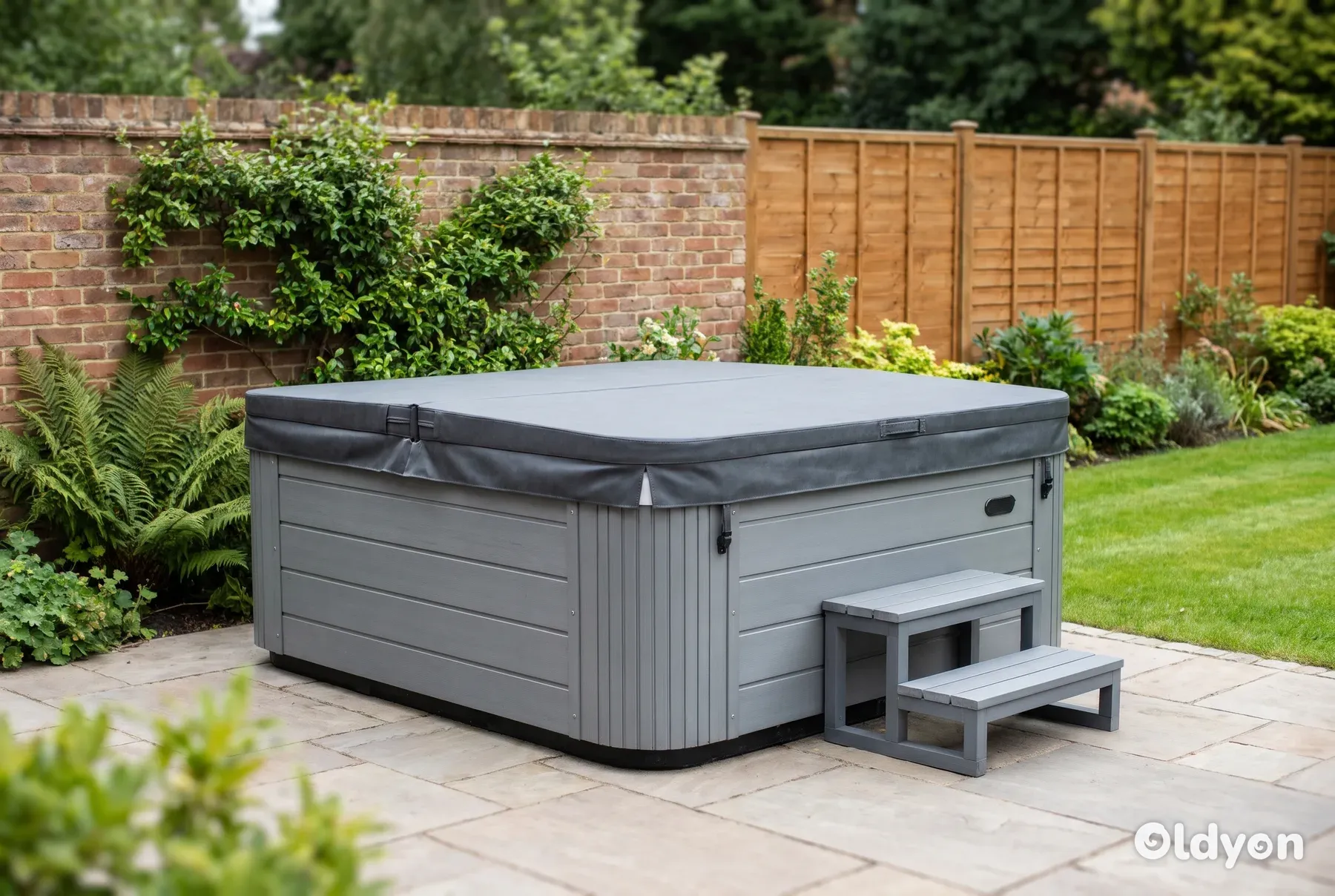
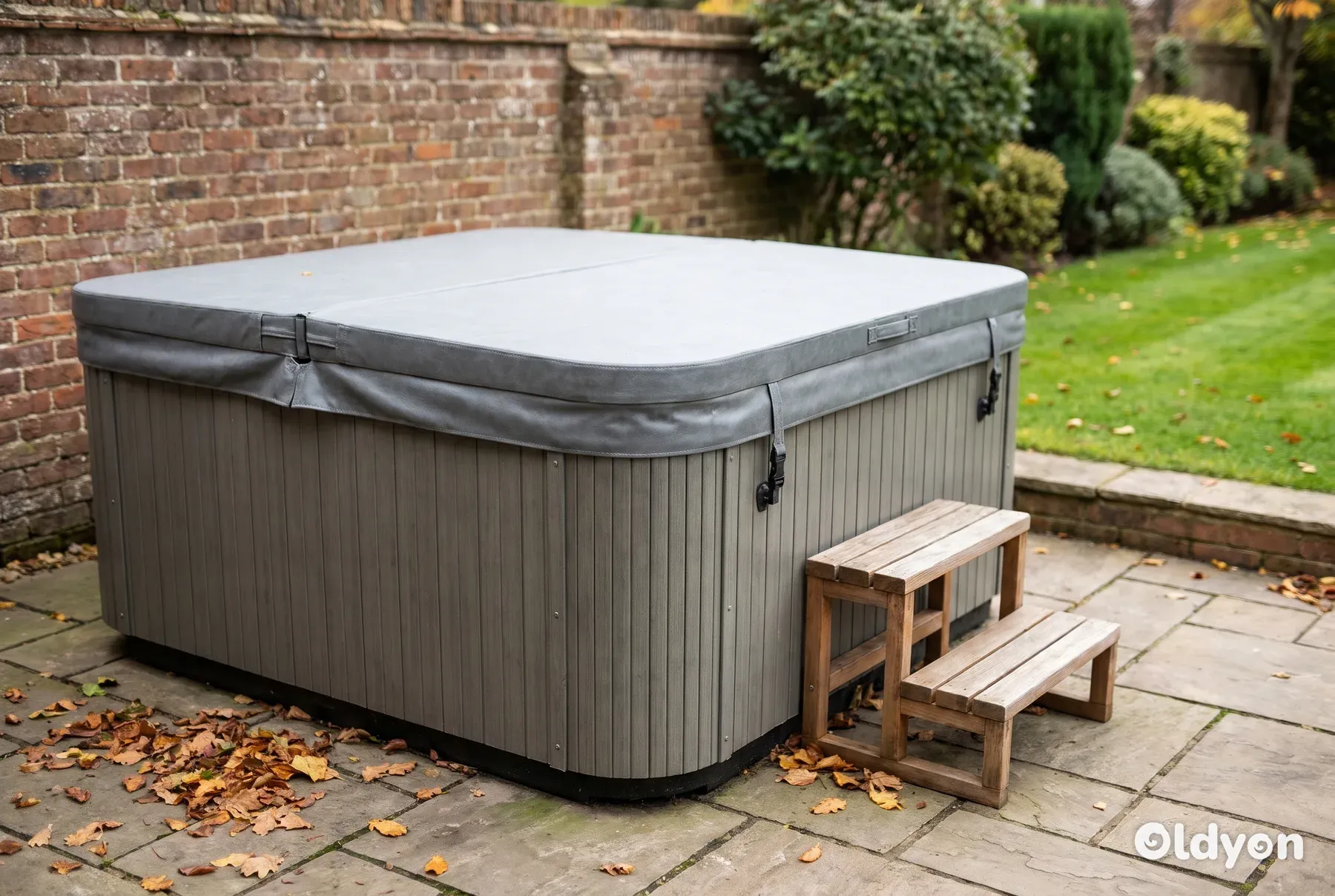
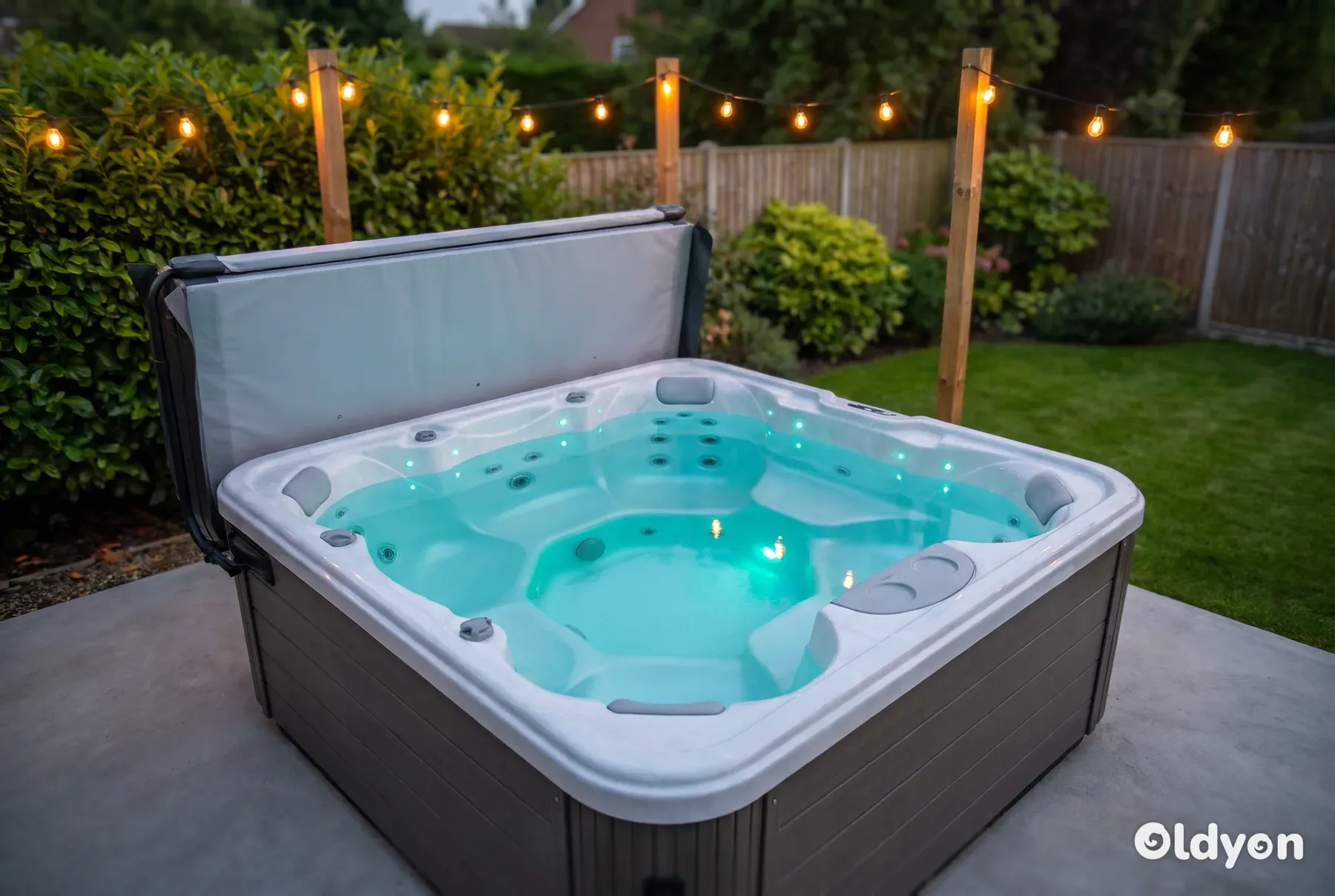
To learn how to buy a hot tub without regrets, work in order: set a total budget that includes installation and running costs, choose and prepare the site and electrics, wet test your shortlist, ask the dealer detailed questions, read the warranty, then plan delivery. Most regrets come from skipping a step, not from choosing the wrong model.
As a technician, I see the same problems again and again: a base that is not level, a tub that cannot get through the side gate, a cable that is too thin, or a warranty that does not cover labour. All of them are cheap to avoid before you pay and expensive to fix afterwards.
How to buy a hot tub: the stages at a glance
Buying a hot tub is a project, not a shopping trip. It helps to see the whole process before you visit a showroom, because some steps (such as booking an electrician or laying a concrete base) take longer than choosing the tub itself.
- Decide why you want a hot tub and how often you will use it, because this decides size, seating and how much insulation is worth paying for.
- Set a total budget that covers the tub, the base, the electrics, delivery, accessories and the first year of running costs.
- Choose the spot in your garden, measure the access route and check what base and electrical supply you will need.
- Research the main types of tub and build a shortlist of two or three models.
- Wet test your shortlist, so you know the seats and jets suit your body.
- Ask each dealer the same questions and compare their answers, warranties and aftercare in writing.
- Prepare the base and arrange the electrician before the delivery date.
- Take delivery, fill, balance the water and learn the controls before your first soak.
Know why you want a hot tub
Common reasons for buying include socialising with family and friends, and hydrotherapy for sore muscles, arthritis or chronic back pain. Your main reason shapes the choice: a social tub needs plenty of upright seats, while a tub for aching muscles needs well placed, adjustable jets and perhaps a lounger.
If you have a medical condition, are pregnant or take regular medication, speak to your GP, pharmacist or midwife before using a hot tub, and keep to the temperature limits in your manual.
If you are not yet sure whether you want an inflatable, a rotomoulded tub, an acrylic spa or a swim spa, read our guide to the types of hot tubs for UK buyers before you go any further.
Your housing situation matters too. If you rent, or may move house in the next few years, an inflatable or a 13 A plug and play tub usually makes more sense, because it needs no permanent base or wiring and can go with you. If you own your home and plan to use the tub regularly all year, a hardwired acrylic tub gives you more for your money.
Built-in or in-ground spas are a further option. They are permanent, custom installations that usually involve a builder and a designer, and they are the most expensive route of all.
Before you visit a showroom
Write down four facts and take them with you. A salesperson then cannot steer you towards a tub that your garden, your access route or your electrical supply cannot take.
- The length and width of the planned spot, and any height limits above it.
- The capacity of your consumer unit, and whether it has a spare way for a new circuit.
- The width of the narrowest point on the access route from the road to the spot.
- Your maximum total spend, including the extras listed below.
How much should you budget for a hot tub?
Prices vary widely, so think in broad bands. Inflatable tubs usually cost a few hundred pounds. Rotomoulded and entry level acrylic tubs tend to sit in the low thousands. Well insulated mid range acrylic tubs are commonly somewhere around £5,000 to £10,000, and premium models can cost considerably more.
For current figures by type and size, see our breakdown of how much hot tubs cost in the UK. The price on the showroom tag is only the start, so plan for the extras below as well.
The costs that are easy to forget
- A base: a concrete slab, a paved area or a reinforced deck, if you do not already have a suitable level surface.
- Electrical work: a dedicated circuit, RCD protection and an isolator for a hardwired tub, plus certification.
- Delivery and positioning: extra charges may apply for long routes, steps, or a crane if the tub has to go over the house.
- Accessories: steps, a cover lifter, a replacement cover in future years, and a test kit.
- Chemicals and filters: sanitiser, pH adjusters, shock treatment and spare filter cartridges.
- Electricity and water: heating and filtration all year, plus a refill every few months.
- Servicing: an annual service is optional on some warranties and required on others.
A cover lifter is one accessory worth budgeting for from the start. A full size cover is heavy and awkward for one person to lift, so a lifter protects your back. It also stops the cover being bent or torn as you open it, which helps it last longer.
Extras such as the base, electrics, delivery and accessories commonly add around 20 to 40% to the price of the tub itself. Once you have added them up, put a contingency of about 25% on top of your total budget, so a surprise on installation day does not stop the project.
Our guide to hot tub installation cost in the UK covers the base, the electrics and delivery in more detail, so you can add realistic figures to your budget.
Running costs
Running costs depend mainly on insulation, the quality and fit of the cover, how often you use the tub, the outside temperature and your electricity tariff. A poorly insulated tub with a worn cover can cost far more to run than a well insulated one, especially in winter.
To put the insulation difference in proportion, a poorly insulated entry-level tub can cost roughly three to five times as much per day to keep hot as a well insulated, fully foamed premium tub. Over several winters, that gap can outweigh a large part of the difference in purchase price.
Ask each dealer for the tub's energy figures and how they were measured, then compare like with like. A cheaper tub that costs more to heat every month may not be cheaper over its lifetime.
The set temperature also matters. Many owners run their tub at about 38°C rather than 40°C, notice little difference in comfort and see a lower electricity bill.
Working out the real value
To compare tubs with different price tags, add up the purchase price, the installation and the expected running costs over the tub's life. A well made acrylic tub usually lasts about 10 to 20 years. Divide the total by the number of years, or by the number of soaks you expect, to get a cost per year or per soak.
This often shows that a better insulated tub with a longer warranty costs less per year than a cheaper one that needs more electricity and earlier repairs. Use cautious figures for lifespan and use, so the comparison stays realistic.
Where should the hot tub go, and what base does it need?
Choose the position before you choose the tub. Think about privacy from neighbours, the walk from the back door in winter, shelter from wind, overhanging trees that drop leaves, and whether you can reach every side of the cabinet for servicing.
Leave about 60 cm (24 in) of clear space on every side of the tub, so a technician can remove the cabinet panels and reach the pumps, heater and plumbing. Also look up: pergolas, roof overhangs and low branches can block the cover lifter, the delivery crew or a crane.
Check the tub's footprint and the space you need around it using our guide to hot tub dimensions and how much space you need. Remember to allow room for the cover when it is folded back on a lifter.
The base
A filled hot tub is very heavy. Water weighs about 1 kg per litre, so 1,500 litres (about 400 US gallons) of water weighs around 1,500 kg (about 3,300 lb) before you add the tub itself and the people in it.
Once you add the tub and a full load of bathers, the total can reach about 2,700 kg (about 6,000 lb). Size the base for this full loaded weight, not just the weight of the water.
The base must be flat, level and strong enough to carry that weight evenly across the whole underside. Many manufacturers specify a reinforced concrete slab of at least 10 cm (4 inches), while others accept well laid paving or purpose made spa pads. Requirements differ, so follow the manual for the model you buy.
If you order a concrete slab, ask for reinforcement and a compressive strength of at least about 28 N/mm² (about 4,000 psi). This helps the slab carry the tub without cracking. Confirm the specification with your builder and against the manufacturer's manual.
Spa pads and paving must sit on a compacted, levelled sub-base such as hardcore or gravel, never directly on soil. Plastic interlocking spa pads suit lighter inflatable and small portable tubs, but they are not ideal for large acrylic tubs where the ground freezes and thaws through the winter.
Grass, soil and loose gravel are not suitable for a permanent tub, because the ground sinks unevenly and the shell can twist and crack. Timber decking can work, but only if a structural engineer or experienced builder has confirmed it will carry the load.
As a guide, a raised deck carrying a filled hot tub needs to support roughly 490 kg per square metre (about 100 lb per sq ft). Many ordinary garden decks are built for only about half of that, so do not assume an existing deck is strong enough.
Before anyone digs for a slab or a cable trench, check for buried electricity cables, gas pipes and water pipes. Look at your property plans, ask your utility providers if you are unsure, and use a cable detector before breaking ground.
The delivery route
Acrylic tubs are usually moved on their side on a trolley. That means the narrowest point on the route must be wider than the tub's height, plus room for the trolley and the people handling it. Ask the dealer for the minimum clear width they need.
An empty acrylic tub typically weighs about 180 to 360 kg (400 to 800 lb). That affects how many people the crew needs, whether steps and slopes are manageable, and whether soft ground on the route needs boards laid over it.
- Measure every gate, gap, passageway and doorway on the route, at its narrowest point.
- Look for tight corners, steps, slopes, low overhangs, drainpipes and meters that stick out from walls.
- Check whether fences, gates or garden furniture will need to come down temporarily.
- If there is no route at all, ask whether a crane lift is possible and what it costs.
What electrical supply does a hot tub need?
In the UK, hot tubs fall into two broad groups. Plug and play tubs run from a standard 13 A socket. Most acrylic tubs are hardwired to a dedicated circuit from your consumer unit, commonly rated at 32 A or more, depending on the heater and pumps.
Feature | 13 A plug and play | Hardwired |
|---|---|---|
Supply | Outdoor RCD protected socket | Dedicated circuit and isolator |
Installation | Simpler, but socket must be suitable | Registered electrician required |
Heater and pumps | Heater often pauses while jets run | Heater and jets usually run together |
Pumps and jets | One or two smaller pumps, gentler jets | Often two to four stronger pumps |
Heat-up from cold | About 8 to 12 hours | About 2 to 4 hours |
Winter performance | Slower to recover heat | Holds temperature more easily |
Typical use | Smaller tubs, lighter use | Larger tubs, regular use |
Plug and play tubs usually have only one or two smaller pumps, so their jets feel noticeably weaker than those of a hardwired tub, which often runs two to four more powerful pumps. If a strong massage is your main reason for buying, wet test both types before you decide.
Heat-up time differs too. An inflatable or 13 A plug and play tub usually takes about 8 to 12 hours to reach temperature from cold, while a hardwired tub with a larger heater usually takes about 2 to 4 hours. The starting water temperature, the weather and the cover all affect this, so check the figure for your model.
Have an electrician check your consumer unit before you shop. If it is old or has no spare capacity, it may need upgrading before a hardwired tub can be connected, and that can add substantially to the cost.
Ask the electrician to check the rating of your home's main incoming fuse as well. An older or low rated supply may not cope with a 32 A or larger hot tub circuit on top of your other appliances, and an upgrade by your network operator can add time and cost to the installation.
Installation costs also rise with the length of the cable run from the consumer unit to the tub. A spot in the far corner of the garden needs a longer, thicker cable and a longer trench, so it costs more to wire than a spot close to the house.
Hot tubs combine water and electricity outdoors, so the work must meet the UK wiring regulations, BS 7671. The circuit needs RCD protection, and the isolator must be within sight of the tub but out of reach of anyone sitting in it. Check the exact distances in your manual and with your electrician.
In England and Wales, installing a new circuit for a hot tub is notifiable work under Part P of the Building Regulations. Use a registered electrician who can self certify the work and give you the certificate. Scotland, Northern Ireland and other European countries have their own rules, so check locally.
Keep the electrician's certificate safe. Electrical work without proper certification can cause problems with your home insurance, and buyers' solicitors often ask for it when you sell the house.
Never run a hot tub from an extension lead or an indoor socket through a window or door, and never plug it into a socket without RCD protection. If your supply is not suitable, have a registered electrician fit the correct outdoor socket or circuit before delivery day. The charity Electrical Safety First has helpful guidance on outdoor electrical safety.
Our guide to hot tub electrical requirements in the UK explains cable sizes, RCD types and what to ask your electrician.
Which hot tub features actually matter?
Brochures list many features, but only a handful affect comfort, running costs and reliability. Focus on these, and treat the rest as extras.
Size and seating
First-time buyers often underestimate how often they will share the tub with family and friends. If you are unsure between two sizes, choose the larger one. A couple, for example, may soon wish they had bought a four-seat model.
Shell and cabinet
Acrylic shells are reinforced from underneath and are the most common choice for permanent tubs. Rotomoulded tubs are made from one piece of tough plastic and are lighter and simpler. Inflatables are the cheapest but less durable and less efficient in cold weather. Synthetic cabinets need less maintenance than wood.
An acrylic shell has a UV-resistant acrylic surface bonded to a fibreglass backing for strength. A rotomoulded shell lacks the glossy finish, but it is very tough and copes well with harsh weather.
Insulation and cover
Full foam insulation fills the cabinet with foam around the plumbing. Perimeter insulation lines the cabinet walls and floor, sometimes using pump heat to warm the air inside. Both can work well when done properly. Ask how the base and the cover are insulated too, because a lot of heat escapes through the top.
In practice, full foam insulation is typical of premium and upper mid-range tubs, while perimeter insulation is more common on entry-level and budget tubs. On cheaper tubs, it can leave much of the cabinet cavity empty or only lined with fibreglass batting, which generally lets more heat escape. Ask the dealer to remove a cabinet panel so you can see what is inside.
Some manufacturers use heat-reflective barriers combined with targeted foam. This can perform well, but quality varies, so ask for the insulation specification or heat-loss figures for any tub you are considering.
Ask each dealer for the cabinet's insulation R-value, where it is quoted. R-values are usually given in US units, and a figure of about 12 or more is a sensible minimum if the tub will be used through cold winters. Not every manufacturer publishes one, so compare heat-loss figures where it is missing.
A good cover is thick, tapered so rain runs off, and fits snugly with locking straps. Ask what it is made of and how long the dealer expects it to last before it needs replacing.
Locking straps are a safety feature as well as part of the insulation. A locked cover keeps children and pets out of the water when the tub is not in use, so fasten the straps every time you finish a soak.
A quality cover typically has 10 to 15 cm (4 to 6 in) of high-density foam wrapped in a vapour barrier, which stops the foam soaking up water. It also protects the acrylic from UV damage. Cheap covers bundled with entry-level tubs often need replacing within about 18 months, while a quality cover usually lasts about 3 to 5 years.
Seats, jets and controls
More jets do not mean a better massage. What matters is whether the jets hit the right places for your body and whether the seats hold you at a comfortable depth. That is why the wet test is so important.
Compare jet adjustability (whether you can direct the jets and turn the flow up or down) and pump power as well as jet placement. A well designed set of fewer jets driven by strong pumps gives a better massage than many jets on weak pumps.
For example, a well designed layout of about 20 jets driven by two 3 hp pumps gives a better massage than about 60 jets on underpowered pumps. Good jets are aimed at the shoulders, lower back, calves and feet.
Pump power is usually quoted in horsepower. Ask each dealer how many pumps the tub has and the horsepower of each one, then compare those figures between models alongside the jet layout, rather than comparing the number of jets.
Check that every suction fitting in the footwell has an intact anti-entrapment cover. A damaged or missing cover can trap hair or limbs, so it must be replaced before anyone uses the tub.
Check that the controls are easy to read and use, and ask whether there is a sleep or economy mode. If you want to control the tub from your phone, check whether the app needs a subscription and how strong a Wi-Fi signal it needs.
Filtration and water care
Ask how many filters the tub has, how easy they are to remove, and what replacements cost. Ask which sanitisers the manufacturer approves, because some warranties exclude damage from unapproved chemicals.
Chlorine and bromine are the two common sanitisers. Bromine is gentler on the skin and stays more stable in hot water, while chlorine is widely available and works quickly. Check which your manufacturer recommends.
- Ozone systems can reduce the chlorine or bromine you need, by up to about half according to manufacturers.
- UV-C systems kill bacteria in the water as it circulates through the unit.
- Combining ozone and UV-C lowers chemical use further, though you still need some sanitiser.
- Salt water systems generate chlorine from dissolved salt, which cuts manual dosing and gives softer-feeling water, but they add an upfront cost.
Whatever system you choose, you will need to keep the water in range. Common guidance is free chlorine or bromine at 3-5 ppm, pH 7.2-7.6, total alkalinity 80-120 ppm and calcium hardness 150-250 ppm. Keep the water no hotter than 40°C (104°F). Manufacturers' recommendations can differ slightly, so follow your manual.
Budget about 15 to 20 minutes a week for testing and adjusting the water. New owners who neglect it often find the water turns green or foamy within the first couple of weeks.
Poorly maintained hot tub water can grow Legionella bacteria, which cause Legionnaires' disease, a serious lung infection. The Health and Safety Executive explains the risk. Unbalanced water also damages the shell, jets and pump over time.
For a fuller checklist on judging quality for the price, see how to spot the best hot tub for your money.
How do you wet test a hot tub?
A wet test means sitting in a filled, heated tub before you buy it. Many dealers offer this by appointment. It is the only reliable way to know whether a tub fits you, so book one for each model on your shortlist.
- Book the appointment in advance and ask the dealer to have the tub heated and running.
- Bring swimwear and a towel, and bring everyone who will use the tub regularly.
- Sit in every seat for a few minutes, including the lounger if there is one, and check your shoulders stay under the water.
- Check your feet reach the floor or footwell comfortably, and that the tallest and shortest users both fit.
- Run each jet setting and notice where the jets land on your back, neck and feet.
- Listen to the pumps and blower with the jets on and off, and ask how loud the tub is at night on filtration only.
- Try climbing in and out with the steps, and try opening and closing the cover yourself.
- Use the control panel and ask the dealer to show you how to change the temperature and filter cycles.
If a dealer will not let you wet test, ask whether a previous customer nearby would let you try theirs, or whether another dealer of the same brand offers it.
What should you ask the dealer before you buy?
Ask every dealer on your list the same questions and ask for the answers in writing. This makes it far easier to compare quotes fairly.
- What exactly is included in the price: cover, steps, lifter, chemicals, delivery, positioning and commissioning?
- Is the tub in stock, and if not, what is the realistic lead time?
- Will you survey my garden and delivery route before I order?
- What base and electrical supply does this model need, and do you arrange either of them?
- Who carries out warranty repairs: you, the manufacturer or a third party, and how quickly do they usually respond?
- Are spare parts kept in the UK, and how long will parts be available for this model?
- Will you show me how to use the tub and balance the water on delivery day?
- What does an annual service involve and what does it cost?
- What is the deposit, when is the balance due, and what happens to my deposit if delivery is delayed?
Reading the warranty
Warranties are usually split into parts: the shell structure, the shell surface, the plumbing, the equipment (pumps, heater and control pack), the cabinet and the cover. Each part can have a different length, so read the small print rather than the headline figure.
On a good tub, typical terms are 5 to 10 years for the shell structure, 3 to 5 years for the shell surface and 2 to 3 years for plumbing and equipment, with labour often covered only for the first year. Mid-range tubs commonly come with warranties of around 5 to 7 years, while premium tubs often reach 10 years or more.
- Check whether labour and call out charges are covered, or only the parts.
- Check whether the warranty must be registered within a set time after delivery.
- Check what voids it, such as an unsuitable base, unapproved chemicals or electrical work by an unqualified person.
- Check whether an annual service by an approved technician is required.
- Check whether the warranty transfers to a new owner if you move house.
Your legal rights under UK consumer law apply alongside any warranty. GOV.UK has a clear summary of consumer protection rights, including what to do if goods are faulty.
When and where should you buy, and is a used tub worth it?
Demand is usually highest in spring and early summer, which can mean longer lead times and busier installers. Shopping in autumn or winter often gives you more time with dealers and more choice of delivery dates. Sales and discounts vary, so compare total prices rather than headline offers.
Manufacturers often launch new models in autumn, so dealers may discount the outgoing year's stock. End-of-year sales such as Black Friday can bring further savings.
End-of-season discounts in autumn are often around 10 to 20% on the outgoing year's models. Summer is the opposite: demand peaks, and dealers have the least reason to negotiate.
A practical timetable is to decide on your requirements in late summer, visit showrooms and wet test in September or October, and buy by November. That leaves the winter for the base, the electrics and delivery, so the tub is installed and ready for spring.
Dealers rarely cut the price of the tub by much, but they often agree to add extras such as a cover lifter, steps, a chemical starter kit or an extended warranty. Negotiate on those instead of the headline price.
Before you buy, read an owners' forum or community. Owners are usually honest about brand reliability, how dealers handle problems and what the tub really costs to run.
Local dealer or online?
A local dealer can usually offer a wet test, a site survey, delivery by their own team and faster repairs. Buying online can be cheaper, but check who delivers the tub, who carries out warranty repairs in your area and how long they take to arrive.
Many local dealers also offer free water testing and chemical advice. While you are learning, that can save you money on chemicals you do not need.
Online sellers often deliver only to the kerbside, which leaves you to arrange positioning and installation separately. Some manufacturers only handle warranty claims through authorised dealers, and an online warranty repair may mean posting parts away and going without the tub for weeks.
Buying an inflatable online is reasonable, because it needs no professional installation. A good dealer matters far more for a hardwired acrylic tub.
When you buy online in the UK, you normally have the right to cancel within 14 days, but there are exceptions, for example for goods made to your specification. Read the terms before you pay.
New or used?
A used tub can save money, but it carries risks: hidden leaks, a tired pump or heater, a waterlogged cover and usually no warranty. You will also have to arrange and pay for the move, and possibly a crane.
A used mid-range tub typically sells for roughly a quarter to a half of its original price. Weigh that saving against the cost of moving it, any repairs and the lack of a warranty.
- Only buy a used tub you have seen running, full and hot. If the seller will not fill and run it for you, walk away.
- Run your hand over the whole interior to find hairline cracks, because they widen with repeated heating and cooling and are costly to repair.
- Test every jet for strong, even flow, since weak or dead jets point to pump problems or blocked plumbing.
- Test every function on the control panel, including the jets, lights, heating and blower.
- Check the outside of the cabinet for rotten wood or warped panels, which suggest leaks.
- Look under the cabinet panels for damp, rust, white crusty deposits or a musty smell.
- Lift the cover to check its weight, as a heavy cover has usually absorbed water.
- Ask the age, the service history and why it is being sold.
- Check that spare parts are still available for that model.
- Check the tub's electrical requirements and whether your supply suits them, because older tubs may need rewiring.
What happens on delivery day, and how long does it all take?
From first research to first soak, buying a hot tub often takes several weeks, and it can take longer in spring or when a tub must be ordered from the factory. Lead times vary, so treat this as a guide and ask each dealer for their own estimate.
- Research, budget and shortlist: allow a few weeks to read, visit showrooms and wet test.
- Site survey and order: the dealer checks the route and base, and you pay a deposit.
- Base preparation: lay the slab or paving early. Concrete reaches full strength after about 28 days, so pour it well before delivery and confirm the curing time with your builder.
- Electrical work: book a registered electrician as soon as you order, because good electricians are often busy.
- Learning and water testing: learn the basics of water chemistry while you wait, and have your tap water tested before the first fill.
- Final preparation: complete all site work a week before delivery, and if a crane lift is needed, confirm it with the dealer at least a week ahead.
- Delivery: clear the route, move cars, and be at home to answer questions and sign for the tub.
- Inspection: before the crew leaves, check the shell for cracks or chips, check every jet is present and the control panel powers on, and note any damage on the delivery paperwork.
- Filling: fill through the filter compartment with a garden hose, then check for leaks before switching on.
- Heating and balancing: the first heat up from cold can take a day or more. Balance the water, add sanitiser and test again before you get in.
Hard water is common in much of the UK. If your tap water is hard, it needs treating before or during the first fill, or it can leave scale on the shell, jets and heater within weeks.
Before the team arrives, check the base is clear, the isolator is in place and switched off, and a hose can reach the tub. Ask the installer to walk you through the controls, the filters and the drain before they leave.
Do not switch the tub on until it is full to the level marked on the filter housing. Running the pumps or heater with too little water can damage them. If anything looks wrong, switch off at the isolator and call your dealer.
Summary: buying a hot tub without regrets
Set a budget that includes the base, electrics, delivery and running costs, plus a contingency. Choose the position, measure the route and prepare the base and supply before delivery. Wet test your shortlist, compare dealers using the same questions, and read every section of the warranty.
Most of all, do the steps in order. A tub that fits your body, sits on a solid level base and is wired safely by a registered electrician will give you years of trouble free use.
Frequently asked questions
How long does a hot tub usually last?
A well made acrylic tub that is looked after typically lasts about 10 to 20 years, while inflatables usually last about 2 to 5 years. The parts age at different rates: covers, filters and pumps are usually replaced during the tub's life, while the shell and cabinet last longer. Good water care, a solid level base and a fitted cover all help.
Can you put a hot tub on grass?
Not for a permanent tub. Grass and soil settle unevenly under the weight, which can twist the shell, strain the plumbing and void the warranty. Moisture from the soil can also rot timber cabinet frames and let pests into the insulation. Lay a level concrete slab, well laid paving or an approved spa pad on a compacted sub-base instead. Some inflatables can sit on a prepared, level surface for a season.
Do I need planning permission for a hot tub?
In most UK back gardens, a portable hot tub does not need planning permission. You may need it if you build a permanent structure such as a gazebo or raised deck, live in a listed building or a conservation area, or plan to put the tub in a front garden. Check with your local planning authority if you are unsure.
Is a 13 A plug and play tub cheaper to run than a hardwired one?
Not necessarily. Running costs depend mostly on insulation, the cover and how you use the tub. A plug and play tub has a smaller heater, so it may take longer to recover heat in cold weather, especially with the jets running. A well insulated hardwired tub can cost the same or less to keep warm. Compare each model's energy figures.
How often will I need to change the water?
Many owners drain and refill every three to four months, but the right interval depends on how many people use the tub, how often, and how well the water is kept balanced. Some manufacturers give a calculation based on bather load. Check your manual and clean the filters and shell each time you refill.
Should I pay a deposit, and how much?
Dealers commonly ask for a deposit to order a tub, and the balance on or before delivery. Before you pay, get written confirmation of the total price, what is included, the expected delivery date and what happens to your deposit if the date slips. Paying by credit card may give you extra protection under UK consumer credit law.
Filed under