Bullfrog Spas R Series range explained
The Bullfrog R Series explained: how JetPak jet seats work, where the range sits in the Bullfrog line-up, and what to ask a UK dealer before you buy.
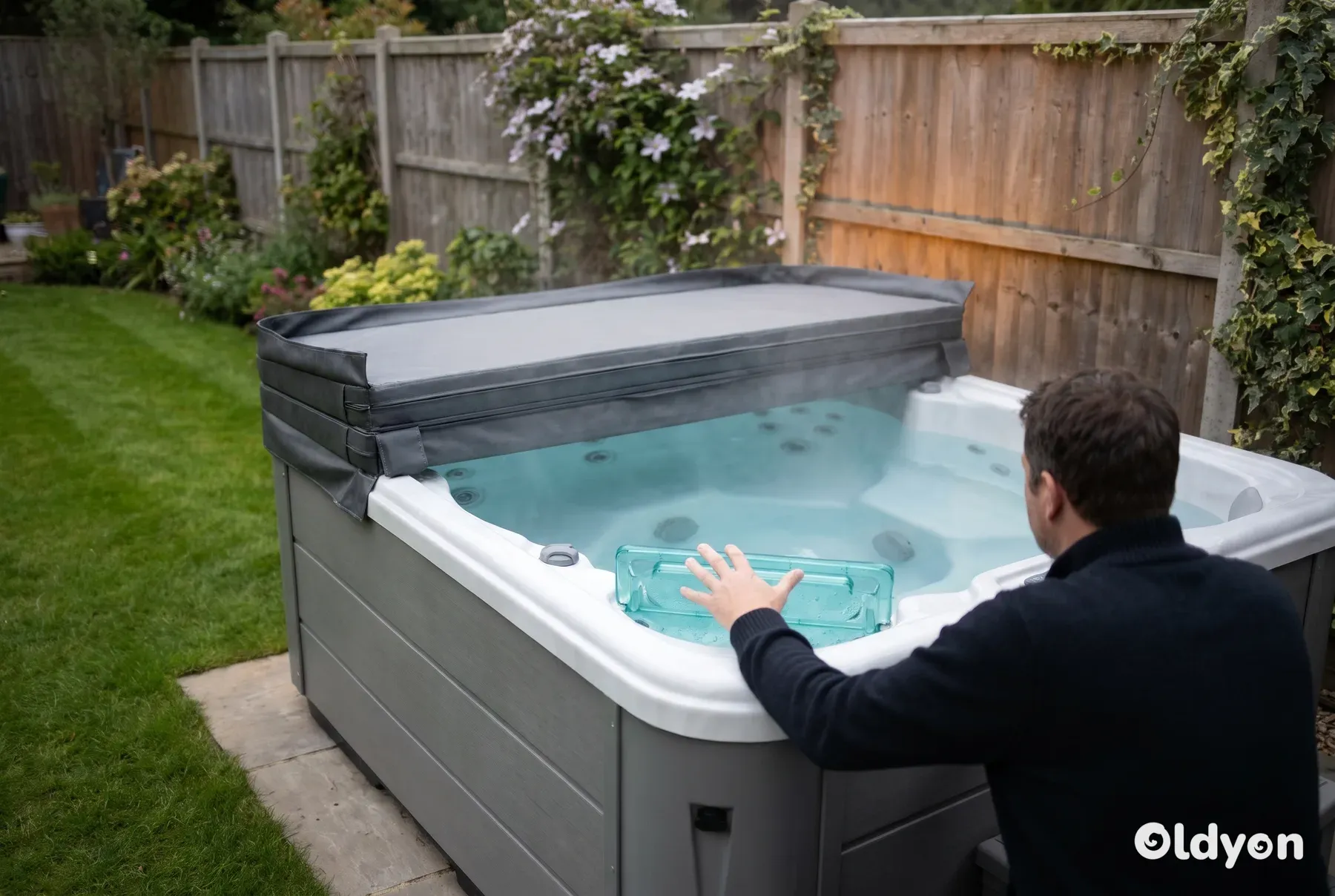
The Bullfrog R Series is one of several hot tub ranges made by Bullfrog Spas, a manufacturer based in Utah, USA. Like the rest of the brand's line-up, it is built around the JetPak Therapy System: removable jet seats that you choose when you buy and can swap or change later. It is not the brand's flagship range.
This guide explains how JetPaks work, where the R Series fits among Bullfrog's other ranges, what ownership involves, and which questions to put to a UK dealer. It is not a review and does not rank models. Specifications change between model years, so confirm every detail with your dealer or the official Bullfrog website before you decide.
What is the Bullfrog R Series?
The R Series is a family of acrylic hot tubs sold under the Bullfrog Spas brand. Each model in the range has a different shell shape, seat layout and size, but they all share the same basic idea: the jets in each seat are not fixed into the shell. Instead, they sit in a removable module called a JetPak.
In recent model years, R Series models have run from a compact 2-person hot tub up to roughly 6 seats. The number of JetPak positions rises with size, from about 5 on the smaller models to about 8 on the larger ones. Each step up adds seating, JetPaks and shell layout options. Line-ups change, so confirm the exact seat and JetPak figures for the model year you are offered.
Dealers usually refer to R Series hot tubs by model number. The range is commonly listed as running from the R5, with 2 seats and 5 JetPak positions, up to the R8, with 6 seats and 8 JetPak positions. On that pattern, the number in the model name reflects the JetPak count, which helps you match a dealer's model name to its size.
Bullfrog states that all R Series models share the same wood-free EnduraFrame and a Balboa control platform. That means the core reliability design is the same whichever size you choose. Confirm both points for the exact model and model year you are offered, because specifications can change.
Bullfrog sells its hot tubs through independent dealers rather than directly. In the UK, that means the dealer sets the final price, handles delivery and installation, and is usually your first contact for servicing and warranty claims. The dealer you choose matters as much as the hot tub itself.
You can see the current ranges, and find authorised dealers, on the official Bullfrog Spas website. Treat that site and the dealer's printed specification sheet as the only reliable sources for sizes, seat counts, pump details and electrical requirements.
How does the JetPak Therapy System work?
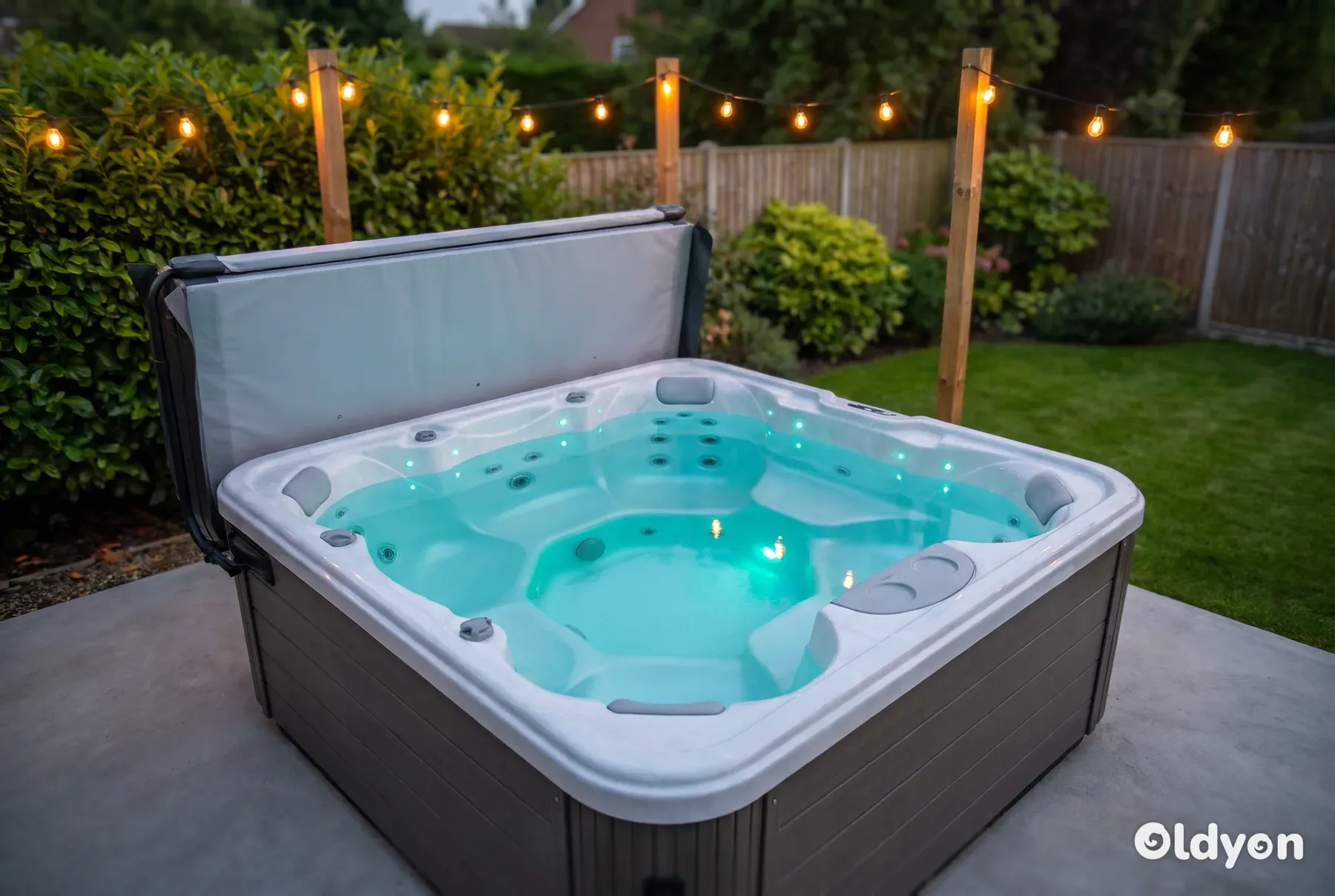
In most hot tubs, the jets are plumbed permanently into the shell. If you dislike the jet layout in a seat, you live with it. Bullfrog takes a different approach: each seat in the shell has a recess, and a JetPak (a moulded seat back containing its own set of jets) locks into that recess.
Water reaches the JetPak through a connection behind it, so the module can be lifted out without cutting into the plumbing. Bullfrog offers a selection of JetPaks with different jet patterns, each aimed at a different part of the body or a different style of massage. You pick the combination you want when you order.
Each JetPak is self-contained, with its own jets, manifold and plumbing, and it connects to the shell through only a couple of connections. Bullfrog claims this removes up to 90% of the internal plumbing found in a conventional hot tub. Fewer pipes and joints should mean fewer places for a leak to start and fewer leak-related service calls, but treat the figure as a manufacturer claim rather than independent test data.
A conventionally plumbed hot tub can have hundreds of plumbing connections, because each jet needs its own pipework back to the pump. Bullfrog says each JetPak connects to the hot tub through only two connections, and it claims the R Series cuts the total number of connections to a fraction of a conventional design. As with the percentage figure, this is the manufacturer's claim.
Removable JetPaks also give you access to the space behind the jets. On a fixed-jet hot tub, that area sits behind the shell and cannot be reached for cleaning. With a JetPak lifted out, you can wipe the cavity directly, which makes mould prevention there much easier.
The practical benefits are easy to understand:
- You can choose a jet layout for each seat based on how you and your household actually use the hot tub.
- You can move JetPaks between seats if your favourite position changes.
- You can buy a different JetPak later instead of replacing the whole hot tub.
- A dealer can let you try different JetPaks in a showroom model before you commit.
Bullfrog says it offers well over a dozen JetPak types, aimed at areas such as the neck and shoulders, the lower back (lumbar area), the calves and the full back. Match the JetPaks to the people who will use the hot tub. Someone with a stiff neck after desk work may want a different seat from someone who wants their calves massaged after running.
Owner feedback is anecdotal, but it follows a pattern. People who moved from conventional fixed-jet hot tubs, including some from well-regarded brands, often say JetPaks give a firmer, more targeted massage. Owners who use the hot tub for back pain, recovery after exercise or general stiffness tend to be the most enthusiastic.
The jet count alone tells you little about how a massage feels. Pump capacity, how many jets share that pump, and the shape and position of the seat all matter. Our guide to what makes hot tub jets powerful explains how to judge this when you sit in a showroom model.
Massage jets can feel relaxing, but they are not a medical treatment. If you are interested in using warm water for aches and stiffness, read our guide to hydrotherapy at home with your hot tub. If you are pregnant, or have a heart condition, high or low blood pressure, or any long-term health condition, speak to your GP or midwife before using any hot tub. NHS guidance warns against getting too hot in pregnancy, and that includes hot tubs.
Where does the R Series sit in the Bullfrog range?
Bullfrog's line-up has included ranges such as the A Series, the R Series, the X Series and the design-led STIL range. The X Series is presented as the brand's top range. The names, the number of ranges and the features in each change over time, so check the current brochure rather than relying on older reviews or forum posts.
All Bullfrog ranges use JetPaks, so the jet concept itself is not what separates them. The differences tend to be in the number of JetPak positions, the size and shape of the shells, the finishes, the extras that come as standard, and the price.
The reduced-plumbing design, the wood-free EnduraFrame and the Balboa electronics are reported to be used across Bullfrog's ranges, not only in the higher ones. If that holds for the models you compare, choosing between ranges is mainly about JetPak count, seating capacity and cosmetic or feature options, rather than basic reliability. Ask the dealer to confirm this for each model and model year.
What usually differs between ranges
With any manufacturer, moving up a range usually changes some of the following. Ask the dealer which of these differ between the R Series and the ranges either side of it, for the exact models you are comparing:
- How many seats have a removable JetPak, and how many have fixed jets or none.
- The number and size of the jet pumps.
- Cabinet materials, colours and corner styles.
- Lighting, audio and water features, and whether they are standard or optional.
- The control panel and whether app control is included or extra.
- Insulation details and the type of cover supplied.
- Filtration and any built-in water care system.
What Bullfrog's higher ranges are reported to add
Reports comparing the R Series with Bullfrog's higher ranges suggest the higher ranges offer more JetPak positions and some exclusive JetPak types, such as deep-tissue modules. They are also reported to offer a wider choice of shell and cabinet colours, premium lighting, standard water features and touchscreen controls.
Beyond a wider colour choice, the higher ranges are reported to offer cabinet and shell finishes with more realistic wood-grain textures. If the look of the hot tub in your garden matters to you, ask to see finish samples from each range side by side.
The higher ranges may also include dedicated circulation pumps as standard, along with larger layouts with more seats. Confirm each of these points with the dealer for the models and model year you are comparing.
By contrast, the R Series tends to have basic lighting, with water features as an option. On the larger R Series layouts, one or two seats may be cool-down seats with no JetPak. If you want a JetPak in every seat, or a specific premium finish, you may need to look at a higher range.
A higher range is only better value if you will use what it adds. If you mostly sit in the same two seats for 20 minutes in the evening, an extra JetPak position or a premium lighting package may not change your experience much.
What should you look at beyond the jets?
The jets get the attention in a showroom, but the parts you cannot see decide how much the hot tub costs to run and how long it lasts. These are the areas worth asking about for any R Series model.
The frame
Bullfrog promotes a frame it calls EnduraFrame, which it markets as resistant to rot. Ask the dealer what the frame is made of, whether it is used on the model you are considering, and what the warranty says about it. A hot tub frame sits in a warm, humid space for years, so the material matters.
Bullfrog describes EnduraFrame as a wood-free structural frame made from high-density polyethylene (HDPE). Unlike timber, this material does not absorb moisture, so it should not rot or attract insects.
A synthetic frame also resists the swelling, shrinking and warping that freeze-thaw cycles cause in wood. That suits cold British winters, and it suits hot tubs whose base sits close to damp ground.
The wood-free construction extends to the underside of the hot tub. A synthetic base pan sits beneath the frame and blocks moisture and insects coming up from the ground. This matters most in damp or humid conditions, such as a patio or base that stays wet through autumn and winter. Ask the dealer to confirm the base pan design for the model you are considering.
Frame rot is a common reason cheaper wood-framed hot tubs are scrapped before the shell or equipment has failed. Whichever brand you compare, check both the frame material and the cabinet material, and favour synthetic over wood for both where you can.
Owners of earlier Bullfrog generations built on the same wood-free frame platform report that the shell, frame and cabinet were still in good structural condition after 10 to 15 years. These are owner reports rather than test results, and they assume reasonable care, but they support the long-term case for a synthetic frame.
The cabinet and service access
Bullfrog designs the R Series cabinet panels to be removable for service access, and the cabinet is synthetic with no wood. Removable panels let a technician reach the pumps, heater and plumbing without dismantling the hot tub. Ask the dealer whether the exact model you are looking at is built this way.
Insulation and running costs
Running costs in the UK depend mostly on how well the hot tub holds its heat through cold, windy months. Ask how the cabinet and base are insulated, how thick the cover is, and whether the manufacturer publishes any standby energy figures. If they do, ask what test conditions were used, because the figures are only comparable when the conditions match.
Controls, filtration and the cover
Check how easy the filters are to reach, how often the manual says to clean and replace them, and what replacements cost. Look at the control panel in person. A well-fitting cover with a good seal and secure clips matters for safety, heat retention and keeping debris out.
Ask which control system the model uses, and whether it is built on a standard platform such as Balboa. Balboa is an industry-standard control platform used by many hot tub brands, so technicians who know it are widely available and replacement parts are not tied to one maker. A proprietary system can leave you short of parts after 5-7 years if the manufacturer stops supporting it.
Gecko is another standard control platform, alongside Balboa, and it also has wide technician support. Controls from a proprietary or little-known maker are the ones that risk parts shortages after several years, so treat either of these two platforms as a reassuring answer.
The cover also affects how long the hot tub lasts. A worn cover that has lost its seal or soaked up water lets heat escape and makes the water chemistry harder to hold steady. Covers typically need replacing every 5-7 years, so ask what a replacement costs and how long one takes to arrive.
Three checks for any brand
A hot tub that gives few problems over the years usually combines three things. Check all three before you buy, whichever brand you are looking at:
- A wood-free frame and a synthetic cabinet that will not rot.
- A standard electronics platform that local technicians can repair.
- Reduced internal plumbing, which means fewer joints that could leak.
What does looking after a JetPak hot tub involve?
Day-to-day care is the same as for any acrylic hot tub: keep the water balanced, keep the sanitiser in range, clean the filters and drain and refill on a regular schedule. The JetPaks add one extra job, which is cleaning the area behind them.
Widely accepted guidance for hot tub water is below. Some manufacturers and test kit makers use slightly different ranges, so check your owner's manual and follow it where it differs:
- Free chlorine: 3-5 ppm, or bromine: 3-5 ppm.
- pH: 7.2-7.6.
- Total alkalinity: 80-120 ppm.
- Calcium hardness: 150-250 ppm.
- Water temperature: no hotter than 40°C (104°F).
Poorly balanced water causes more service calls than hardware faults. Keeping the balance steady protects the acrylic shell and the pump seals, so regular testing is one of the cheapest ways to avoid repair bills.
Any warm water that sits still can grow biofilm, a slimy layer where bacteria shelter from sanitiser. The space behind a removable module is one place water can collect. The HSE publishes guidance on legionella and Legionnaires' disease, which explains why good hygiene in warm water systems matters.
A realistic care routine
The schedule below is a practical outline for a JetPak hot tub in regular use. Your manual may set different intervals, and where it does, follow the manual:
- Weekly (about 15-20 minutes): test and balance the water, rinse the filter cartridge with a hose, and check the sanitiser level.
- Monthly (about 30-45 minutes): deep-clean the filter with a chemical filter soak, clean the JetPak cavities, and check the cabinet panels for signs of moisture.
- Quarterly: drain and refill, inspect the JetPak gaskets, and check the visible plumbing connections in the equipment bay for drips.
Owners who stick to a consistent schedule like this report that routine upkeep takes less time than they expected, and that they have few or no unexpected service calls. Small, regular jobs tend to prevent the larger problems that build up when care is left for months.
Some owners float a couple of tennis balls in the water between filter cleans. The felt soaks up body oils, lotions and cosmetics, which helps most when many people use the hot tub. Take the balls out before running the pumps hard, because they can block small fittings.
Replacing filter cartridges
Rinsing and soaking keep a filter working, but they do not make it last for ever. On top of the weekly rinse and monthly chemical soak, filter cartridges are commonly advised to be replaced about every one to two months. Advice differs between manufacturers, so check your manual for the exact interval, and replace a cartridge sooner if its pleats are torn, flattened or will no longer come clean.
Always take the filter cartridge out of the hot tub before you clean it with a disinfectant or chemical soak. Do the soak in a separate bucket or container, then rinse the cartridge thoroughly before refitting it. Leaving strong cleaning chemicals in contact with the hot tub can cause corrosion of its parts.
Replacement cartridges are specific to the model and the model year, so a cartridge that fits one Bullfrog hot tub may not fit another. Older Bullfrog hot tubs may need an adapter to fit a current coreless cartridge. Give your dealer the model and serial number, and confirm the right cartridge with them before you buy spares.
Not every Bullfrog range uses the same cartridge. Some models, such as those in the STIL range, use a different filter cartridge from the standard coreless one. Check compatibility against your specific range and model year rather than assuming one cartridge fits all Bullfrog hot tubs.
Preventing mould behind the JetPaks
Mould or biofilm behind the JetPaks is the most commonly reported complaint from R Series owners. It tends to appear when the cavity is never cleaned, because splashed water and low airflow give it a place to grow. Owner reports suggest it can establish within about 4-6 weeks if left alone.
This is a maintenance task rather than a design fault, but a good dealer should explain it to new owners at handover. Owners who clean the JetPak recesses roughly once a month, not only at each drain, report that they avoid the problem.
Owners report that removing a JetPak needs no tools: you twist it and lift it out of its seat. They also report that cleaning every cavity takes about 10 minutes, even on the largest models with every seat fitted. Follow your manual on whether to lower the water level first.
- Switch the hot tub off at the isolator.
- Lift out the JetPak using the method in your manual, lowering the water level first if the manual says to.
- Wipe the cavity walls with a clean microfibre cloth dampened with diluted spa surface cleaner.
- Wipe the back of the JetPak in the same way.
- Reseat the JetPak firmly, then switch the hot tub back on.
Cleaning behind the JetPaks at each drain
The exact method varies by model, so your manual comes first. As a general outline, a typical routine at each drain and refill looks like this:
- Switch the hot tub off at the isolator before you start.
- Use a pipe or line cleaner in the old water if the manual recommends one, and run the jets as the product label directs.
- Drain the hot tub fully.
- Remove each JetPak using the method shown in the manual, without forcing it.
- Rinse the recess and the back of each JetPak, and wipe away any residue with a soft cloth.
- Check the seals and connections for damage, and report anything worn to your dealer.
- Refit each JetPak firmly in place, then refill, rebalance and sanitise the water before use.
Always switch the hot tub off at the isolator before removing JetPaks or filters. Follow your owner's manual for the removal method, and never run the pumps with a JetPak missing unless the manual says it is safe to do so.
Looking after it in winter
In cold areas, a hot tub that is shut down without proper winterising can suffer freeze damage to its pumps, pipes and heater, which shortens its life. If you plan to drain it for winter, follow the winterising steps in your manual or ask your dealer to do it. Many UK owners keep their hot tub running through winter instead.
What should you check before installation in the UK?
A hot tub combines water and electricity outdoors, so the installation needs proper planning. Many full-size hot tubs need a dedicated hardwired supply, though some models from various makers are designed to plug into a standard socket. Check the electrical requirement for the exact R Series model on its specification sheet.
In the UK, the electrical work must meet BS 7671, the wiring regulations, and the circuit must have RCD protection. Use a registered electrician. In England and Wales, a new outdoor circuit like this is notifiable work under Part P of the Building Regulations, and a registered electrician can self-certify it. Other countries have their own rules, so check locally if you live elsewhere in Europe.
The charity Electrical Safety First has clear, practical guidance on outdoor electrics and choosing an electrician. Never use an extension lead to power a hot tub.
Beyond the electrics, plan for these points before delivery day:
- A flat, level base strong enough for the full weight of the hot tub, water and bathers. Ask for the filled weight.
- A clear delivery route, including gate widths, steps and overhead obstacles.
- Access to every side panel for future servicing.
- Space to remove the cover and lift out JetPaks comfortably.
- A nearby water supply for filling and a sensible place to drain to.
What questions should you ask a UK dealer?
A good dealer will answer these openly and in writing. Vague answers are a warning sign. The table below covers the questions that matter most for a JetPak hot tub.
Ask about | What to ask | Why it matters |
|---|---|---|
JetPaks | How many removable seats, and which JetPaks are included? | Defines your massage options |
Range differences | What does the next range up add for these models? | Shows what you gain or give up |
Warranty | What is covered, for how long, and is labour included? | Repairs can be costly |
Servicing | Who services it, and what is the call-out area? | A local technician saves time |
Electrics | What supply does it need, and who installs it? | Affects installation cost and safety |
Controls | Is the control system a standard platform? | Affects parts supply in later years |
Shell finish | How are cosmetic marks on the shell handled? | Cosmetic cover is often short |
Price | What exactly does the quote include? | Delivery and extras vary widely |
On warranty, ask for the written terms rather than a summary. Bullfrog's warranties vary by range and region, so ask which parts are covered, for how long, whether labour and call-out charges are included, and what you must do (such as regular servicing or approved chemicals) to keep the cover valid.
Ask the dealer to set out the cover for each part of the warranty separately:
- Shell structure.
- Shell surface and cosmetics.
- Frame.
- Plumbing.
- Jets and JetPaks.
- Pumps, heater and other equipment.
- Controls.
- Labour and call-out charges.
For comparison, the US warranty terms reported for the R Series are listed below. UK terms may differ, so use these as a starting point for your questions and get the UK terms in writing:
- Shell structure: 5 years.
- Shell cosmetics: 1 year.
- EnduraFrame: lifetime.
- Plumbing: 5 years.
- JetPaks: 3 years.
- Pumps, heater and blower: 2-3 years.
- Controls: 2 years.
- Labour: 1 year.
A five-year plumbing warranty is long next to the industry norm of about 2-3 years. It can show how confident the maker is in its reduced-plumbing design, so ask whether the UK plumbing cover matches it.
Cosmetic shell cover and labour cover are often much shorter than structural cover, sometimes as little as about a year. Ask whether the dealer offers extended labour cover, what it costs and what it includes.
Cosmetic shell cover typically applies to defects such as blistering or delamination of the surface. Surface scratches or minor discolouration that appear later may not be covered once the first year has passed, so ask exactly what the warranty counts as a cosmetic defect.
Some early owner reports mention small cosmetic blemishes on the shell, such as surface marks or discolouration, within the first one or two years. These are usually cosmetic rather than structural, but dealers respond to such claims in different ways. Inspect the shell carefully in good light at delivery, and ask how cosmetic issues are handled.
For many owners, the biggest frustration is not a mechanical failure but slow parts supply and long waits for a service visit. Read the dealer's service reviews, ask how long typical repairs take, and ask how long they have been selling and servicing the brand.
Get written quotes from two or three authorised dealers, and compare their service reputation alongside the price. Saving a few hundred pounds with a dealer who gives poor service can cost you far more in delayed repairs.
Also ask to try the hot tub. Many dealers have a wet test model where you can sit in different JetPaks. Bring a towel, sit in each seat for a few minutes, and check that the seat depth and footwell suit the height of everyone in your household.
Our step-by-step guide on how to buy a hot tub without regrets covers the wider buying process, from measuring your garden to reading a quote.
How much does a Bullfrog R Series cost in the UK?
Bullfrog does not set a single UK price. Dealers set their own prices, and the final figure depends on the model, the JetPaks you choose, the cabinet finish, the cover, and any extras such as steps, cover lifters or app control.
As a broad guide, acrylic hot tubs from established brands in the UK commonly sell for several thousand pounds, and larger models with more features can cost well over £10,000. Ask your dealer for a written, itemised quote for the R Series model you want, because no general figure can replace that.
Remember the costs outside the quote. Electrical work, a new base, crane hire for difficult access and the first set of water care products can add a significant amount. Then budget for running costs, filters and occasional servicing each year.
When might another hot tub suit you better?
The JetPak idea suits people who care about massage and want flexibility later. It is less important if you mainly want a warm soak, or if you use the hot tub for socialising more than for jets. In that case, a simpler hot tub with good insulation and a strong cover may serve you well for less money.
Match the size to how you will use it. A couple who soak every day for aches need enough JetPak positions for targeted massage, which often points to a mid-size model. A family that uses the hot tub socially needs more seats, with enough JetPak variety to suit everyone.
The value of a JetPak hot tub rests on long-term ownership: fewer leak repairs and a frame that should not rot. It is not the cheapest option for its feature level. If you expect to own the hot tub for less than about 5 years, that long-term case is weaker.
Bullfrog is less widely recognised than some of the larger hot tub brands. That may affect resale value if you expect to sell the hot tub within 5-7 years.
A Bullfrog may also be a poorer fit if there is no authorised dealer or approved technician within reasonable reach of your home. Service support is a big part of long-term ownership, and a distant dealer can mean long waits for repairs.
Where local dealer or technician coverage is thin or poorly reviewed, a brand with a broader service network may give you a more reliable ownership experience, even if the hot tubs themselves are comparable.
Compare the R Series against at least two other brands before you decide. Our guides on how to compare hot tub brands before you buy and how to spot the best hot tub for your money show what to look for and which claims to question.
Summary: is the R Series worth considering?
The Bullfrog R Series gives you the brand's interchangeable JetPak jet seats without stepping up to its top range. Its main appeal is flexibility: you choose the massage in each seat and can change it later. The wood-free frame and reduced plumbing support the case for long-term ownership.
Whether it is right for you depends on how you use a hot tub, how long you plan to keep it, what the next range up adds for the money, and the quality of your local dealer. Get the specifications, warranty and quote in writing, try the JetPaks in person, and plan the installation and the monthly JetPak cleaning before you commit.
Frequently asked questions
Can I change or add JetPaks after I buy a Bullfrog hot tub?
Yes, changing JetPaks later is the main idea behind the system. You can usually move them between seats or buy a different JetPak from your dealer. You can only fit a JetPak where the shell has a matching recess, so the number of removable seats is fixed by the model. Ask your dealer which JetPaks are compatible with your shell before ordering.
Are JetPaks difficult to remove?
Bullfrog designs JetPaks to be removed by owners, but they are moulded seat sections, so they can feel bulky, especially when wet. Removal is easiest when the hot tub is drained. Ask your dealer to demonstrate it at handover, and follow the method in your manual. Switch the hot tub off at the isolator first, and never force a JetPak out.
Does a Bullfrog R Series need a dedicated electrical supply?
Many full-size hot tubs need a dedicated hardwired circuit, but requirements vary by model and market. Check the specification sheet for the exact model you are considering. In the UK, a registered electrician should install it to BS 7671 with RCD protection. Ask the dealer for the requirement in writing before you get quotes from electricians.
Can I use bromine instead of chlorine in an R Series?
Most acrylic hot tubs work with either chlorine or bromine, but some manufacturers recommend specific products or have built-in water care systems that only work with certain chemicals. Using unapproved products can affect your warranty. Check your owner's manual and ask your dealer which sanitisers are approved for your model before your first fill.
How long does a Bullfrog hot tub last?
No manufacturer can promise a fixed lifespan, because it depends on water care, servicing, climate and how heavily the hot tub is used. The shell and frame are designed to last many years, while pumps, heaters, seals and covers are parts that wear and may need replacing over time. Good water balance and regular filter care help everything last longer.
Which parts are most likely to need replacing over the years?
On a well-kept hot tub, the parts most likely to need replacing in roughly years 7 to 12 are the circulation pump, the cover and the heater element. These are standard, widely available parts. The shell, frame and cabinet generally last longer, and owners often quote 10-20 years of use with good care. Ask your dealer what these parts typically cost to replace.
How do I find an authorised Bullfrog dealer in the UK?
The official Bullfrog Spas website has a dealer locator where you can search by location. Buying from an authorised dealer matters, because they handle installation, servicing and warranty claims. Before choosing one, ask how far their service area reaches, whether they employ their own technicians, and how quickly they usually respond to a repair call.
Filed under