Hot tub breaks in the UK and how to pick a good one
Compare hot tub breaks UK by season and stay type, private versus shared tubs, and the water hygiene questions to ask before you book a lodge or cabin.
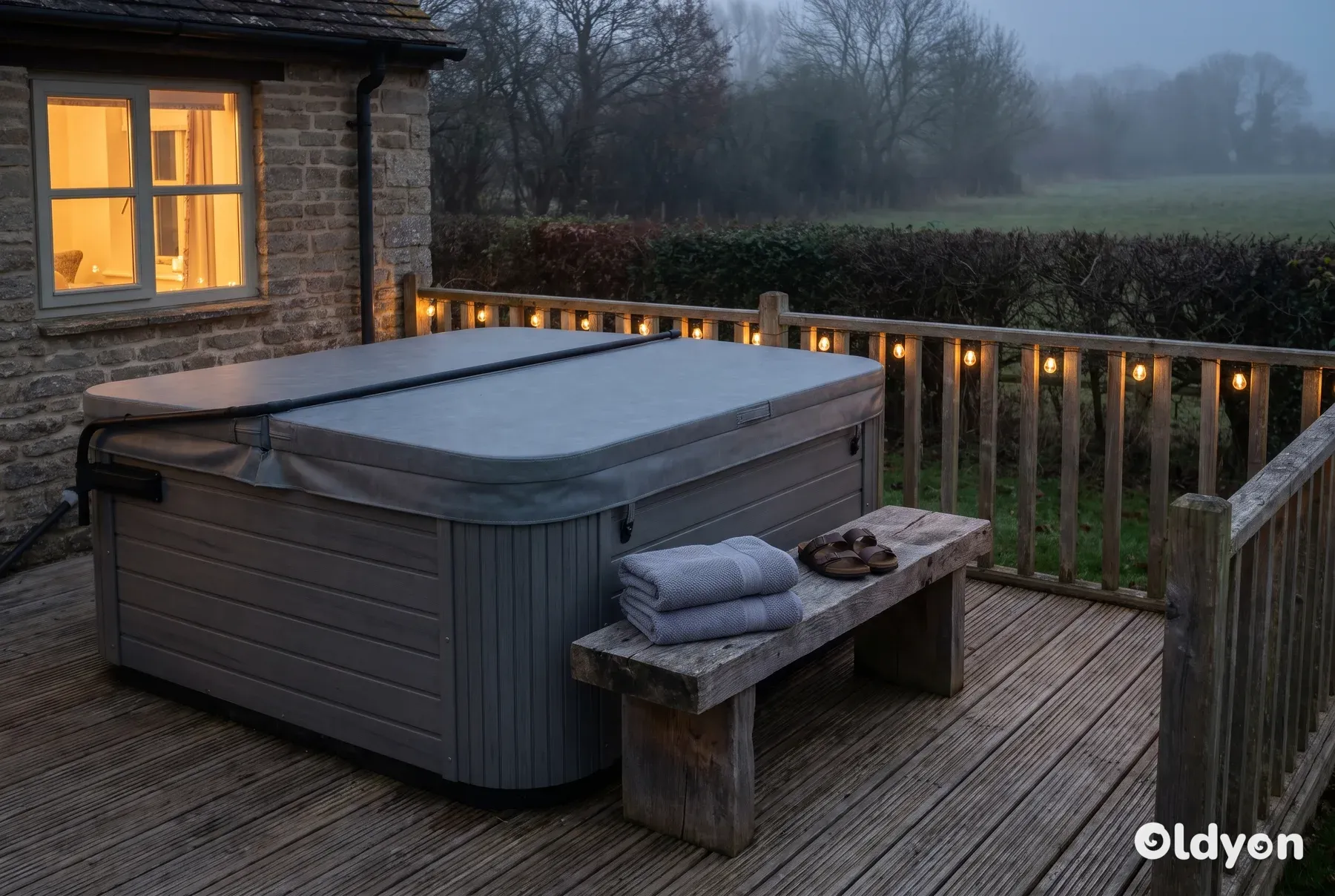
Good hot tub breaks in the UK come down to three things: the type of stay, the season you book and how the tub is looked after. Lodges suit families and longer stays, cabins suit couples, and glamping is often cheapest. Wherever you go, ask how and when the water is changed before you pay.
This guide compares the three main types of stay on value through the year, explains the difference between a private tub and a shared one, and gives you a short list of water hygiene questions to send the owner. A clean, well run tub matters more than a bigger deck or a better view.
What do you actually get on a hot tub break?
A hot tub break is usually a self-catering stay of two to seven nights, where the property has its own hot tub or access to one on site. Most are in rural places such as forests, national parks, lakesides and farmland, though some are on coastal holiday parks.
The listing photos rarely show the details that shape your stay. The type of tub, who else uses it and how the water is treated make a much bigger difference than the furniture.
What is usually included?
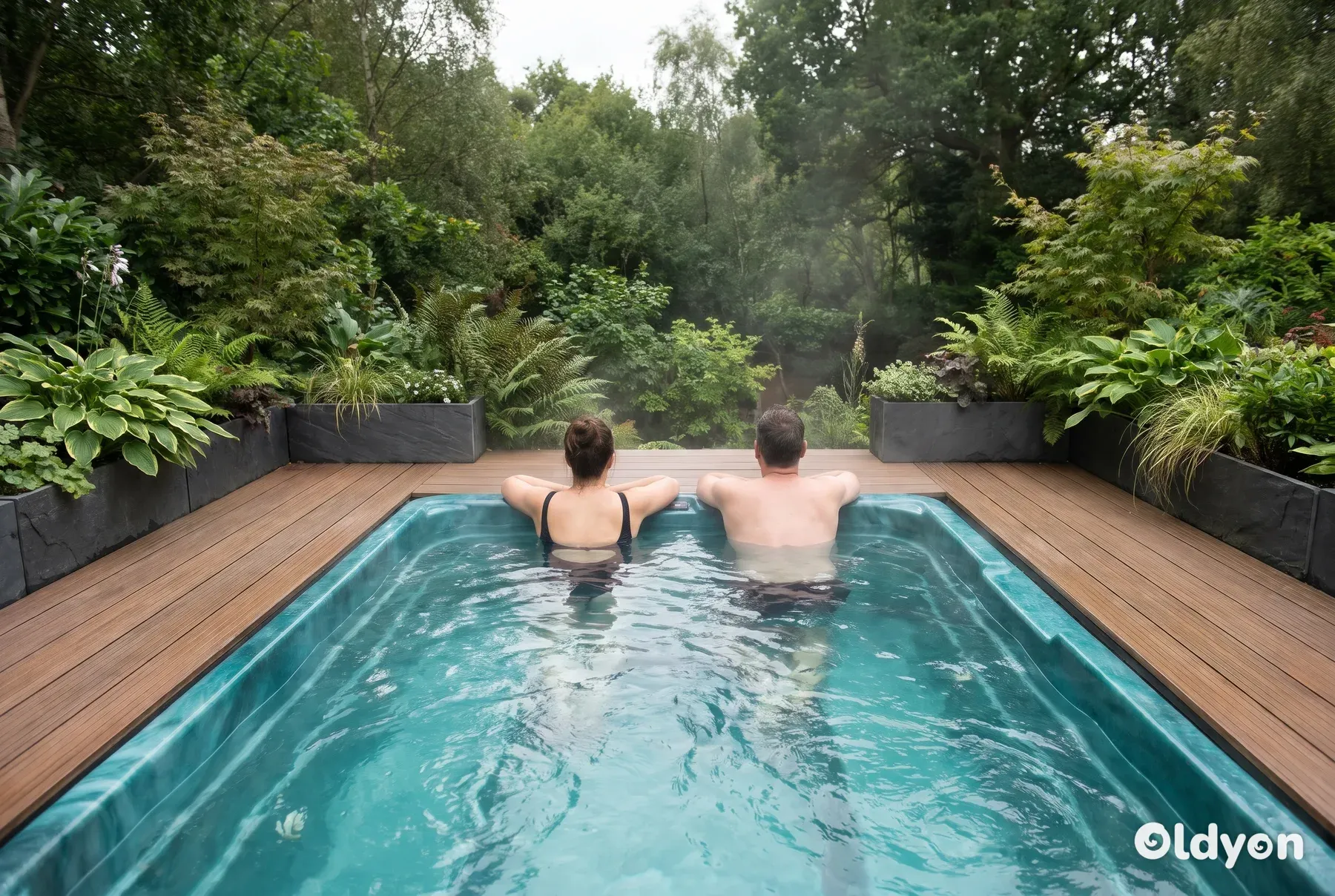
A typical lodge or cabin break usually includes a self-catering kitchen, Wi-Fi and parking. Many also have a wood-burning stove or a fire pit as standard. These are not guaranteed, so check the listing if any of them matter to you.
Lodge and cabin breaks are self-catering, so breakfast is not included and you will need to bring or buy your own food. Plan a supermarket stop on the way, because many rural sites are a long drive from the nearest shop.
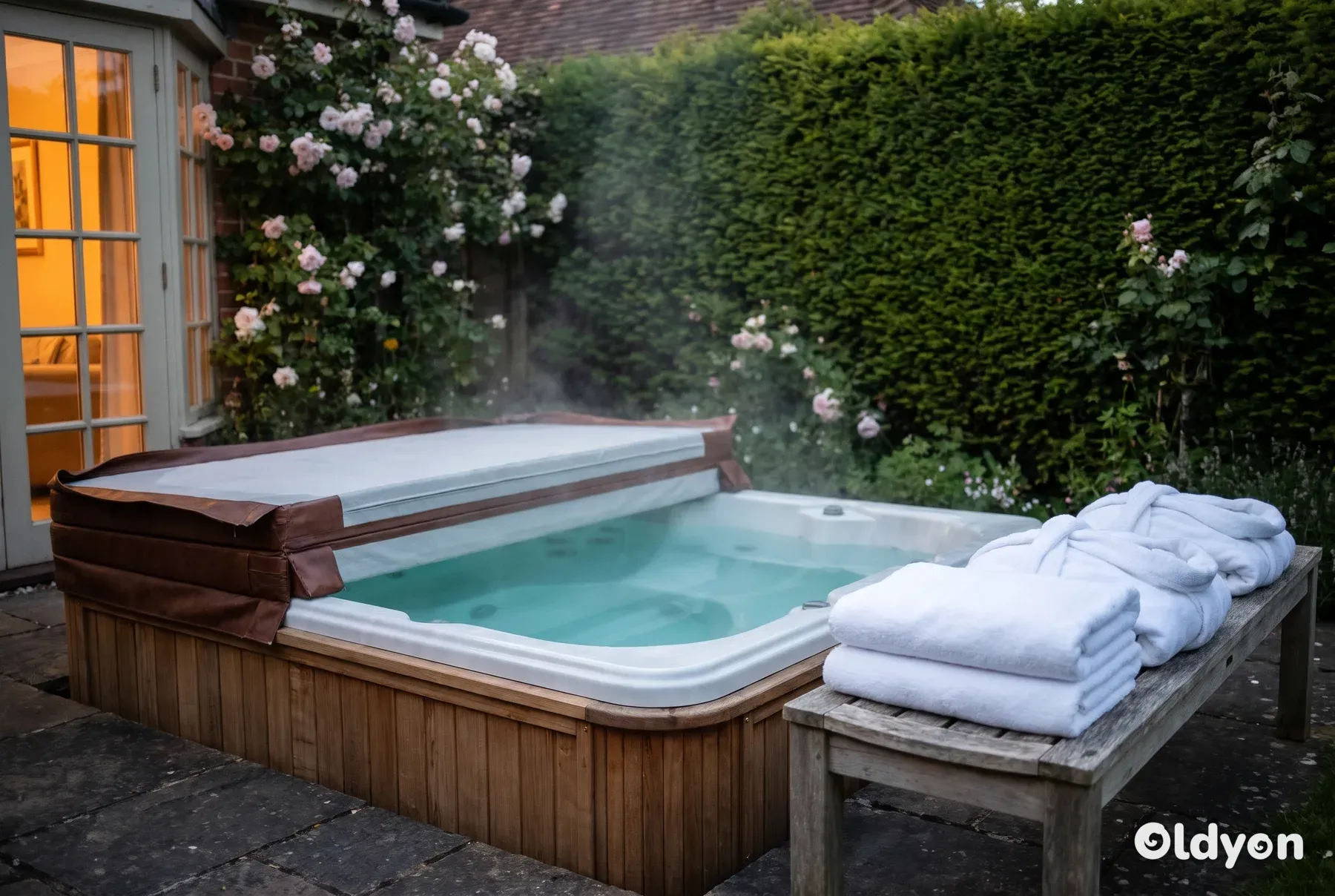
Towels and robes are often not supplied, and where towels are provided they may not be meant for the hot tub. Check the listing carefully, and if towels and robes are not mentioned, bring your own.
Electric or wood-fired?
Most holiday hot tubs are electric acrylic spas with jets, a pump, a filter and a thermostat. They hold a set temperature, and the water is treated with chlorine or bromine and kept moving through the filter. Many are left running all week, so you can use them whenever you like.
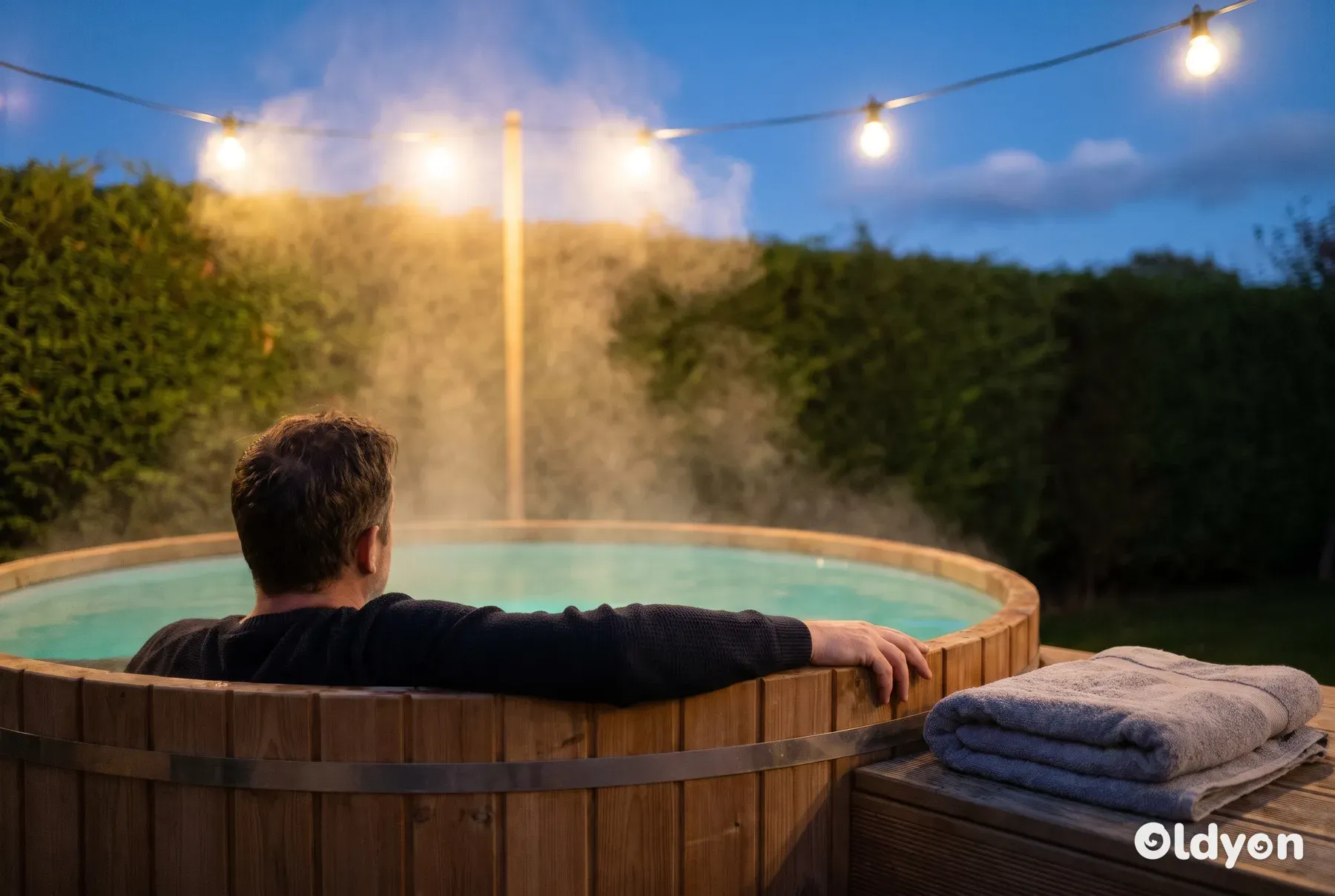
Wood-fired tubs are usually round timber or fibreglass tubs heated by a small stove. Many have no filter or pump, so the operator normally fills them with fresh water for each stay, and you may need to light and feed the fire yourself. Heating time depends on the tub, the weather and the wood, and it can take several hours, so ask before you arrive.
If you want to get straight into the tub after a long drive, choose an electric tub. It is normally at temperature from check-in, while a wood-fired tub has to be lit and heated after you arrive, so your first soak may be several hours away.
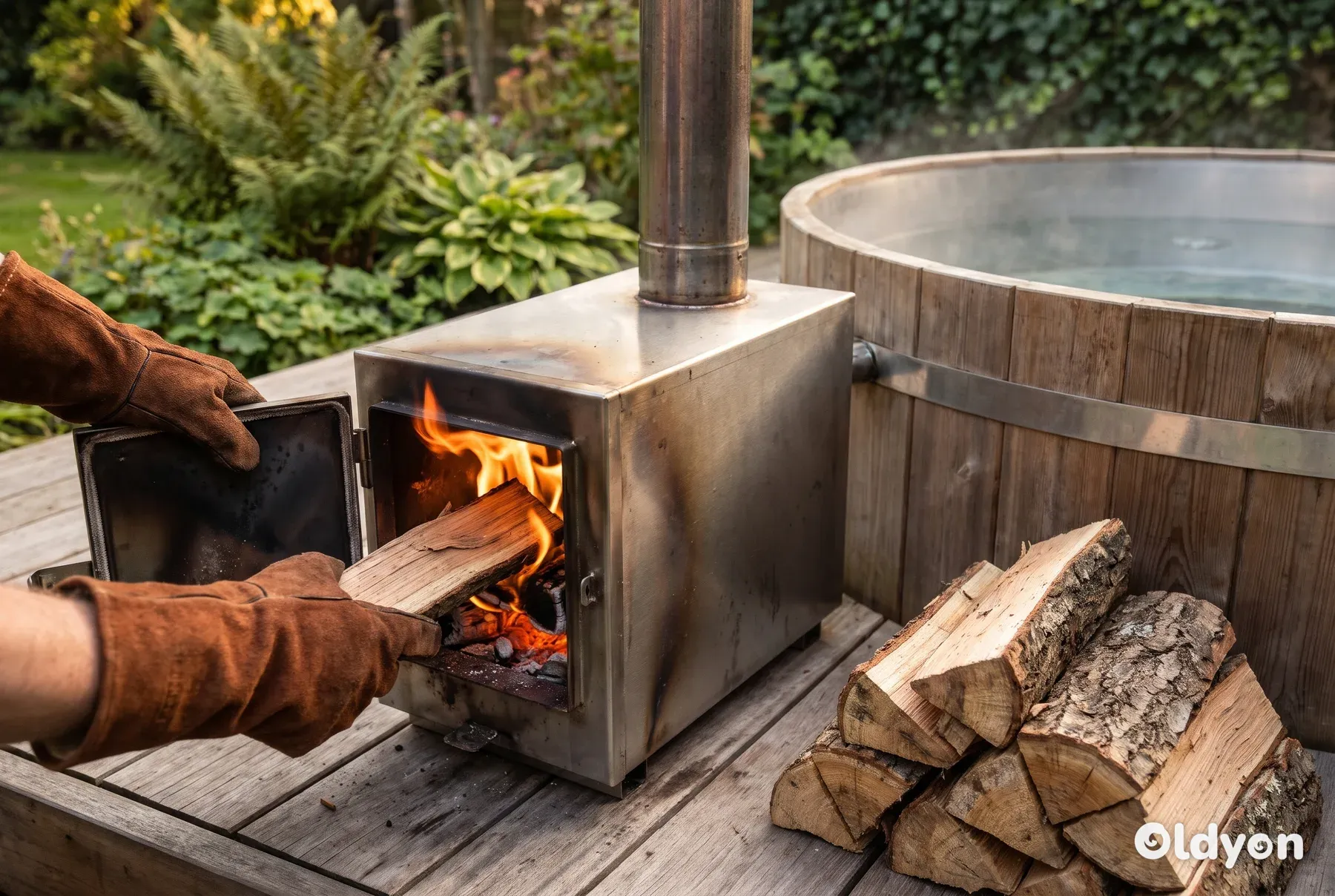
Neither type is better in itself. Electric tubs are more convenient, while wood-fired tubs feel more rustic and are often filled fresh. Our guide to wood fired hot tubs and what owning one involves explains how they work in more detail.
On environmental impact there is no simple winner. Wood-fired tubs use no mains electricity for heating but are often refilled more often, while electric tubs keep the same water for longer but draw power all week. If this matters to you, ask the owner how their tub is heated and how often it is drained.
As a rough guide, an electric tub uses about 3 to 6 kWh for each hour it is heating, depending on the model, the insulation and the outdoor temperature. Over a three-night stay this adds up, especially if the property's power does not come from renewable sources.
Burning wood produces smoke particles and carbon dioxide, so the impact of a wood-fired tub depends on sustainably sourced wood and an efficient stove. A well-insulated electric tub with a good cover, running on renewable electricity, can be the lowest-impact option of all.
If environmental impact matters to you, ask the owner two simple questions: what energy source powers the property, and whether the firewood is sustainably sourced. A good owner will know the answers.
Private or shared?
A private tub sits on your own deck or garden and is used only by your group during your stay. A shared tub is used by guests from several properties, often on a resort or glamping site, sometimes with booked time slots.
A private tub lets you use it late at night and in your own time. A shared tub can be fine, but more bathers means more work for the water treatment, so the hygiene questions later in this guide matter even more. Also check whether "private" means private to your unit, or simply placed in a quiet corner of a shared site.
Lodge, cabin or glamping: which gives the best value?
The three main kinds of hot tub stay suit different trips. The table gives a broad comparison, but individual properties vary a lot, so treat it as a starting point rather than a rule.
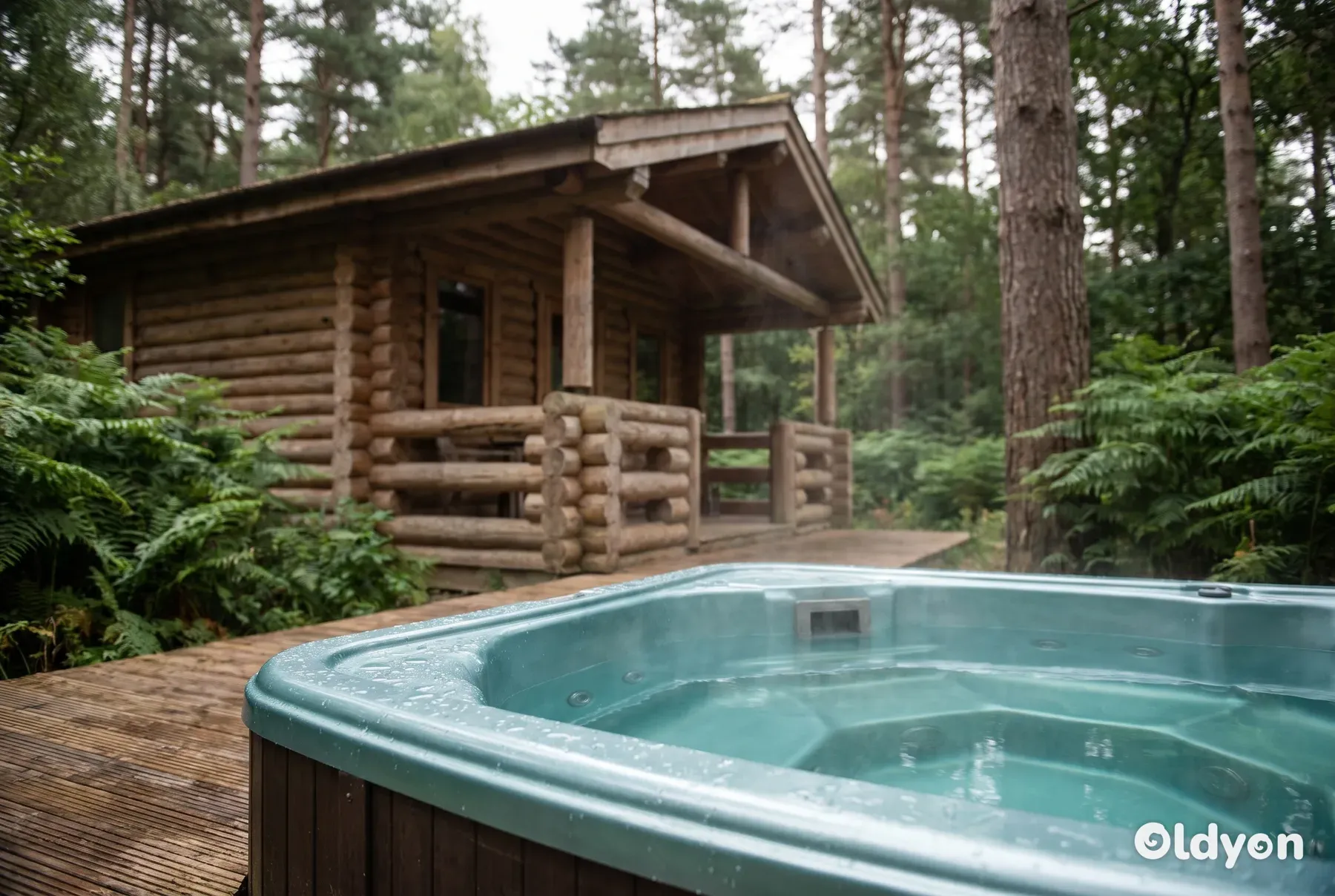
The words lodge and log cabin are often used loosely, but they usually mean different things. A log cabin is usually a smaller, more rustic timber building with a handcrafted, characterful feel. A lodge is usually a larger, purpose-built holiday unit with more modern amenities and room for bigger groups. If you want something more distinctive than a standard park unit, a cabin is usually the better fit.
Feature | Lodge | Log cabin | Glamping |
|---|---|---|---|
Typical size | Two to eight or more guests | Usually two to four guests | Usually two to four guests |
Common setting | Holiday parks, lakes, forests | Woodland, farms, quiet rural sites | Fields, farms, small campsites |
Usual tub | Electric, private | Electric or wood-fired, private | Often wood-fired, private or shared |
Comfort | Full kitchen, heating, en suite | Compact but fully equipped | Basic to comfortable, varies a lot |
Best value for | Larger groups sharing the cost | Couples on midweek stays | Short stays in spring and autumn |
Watch out for | Park rules and peak prices | Minimum stays at weekends | Cold nights, shared toilets |
What each price band gets you
Prices vary a lot by place and date, but three broad bands are a useful guide. The figures below are rough ranges for a whole stay, not fixed prices, so always compare the total cost of the properties you are considering.
- Budget, under about £300 for two nights for two people, midweek and off-peak: usually a smaller one or two bedroom cabin or park lodge with a smaller electric tub and a basic kitchen. On a holiday park the neighbours are often close by, and extras such as a fire pit are less common.
- Mid-range, about £300 to £700 per stay: usually a private log cabin or self-catering cottage in a rural setting. This band suits couples, small families and dog owners.
- Luxury, usually from about £700 for two nights: you pay for a larger lodge or treehouse, a secluded deck, a remote location, premium linen and often a fire pit or sauna.
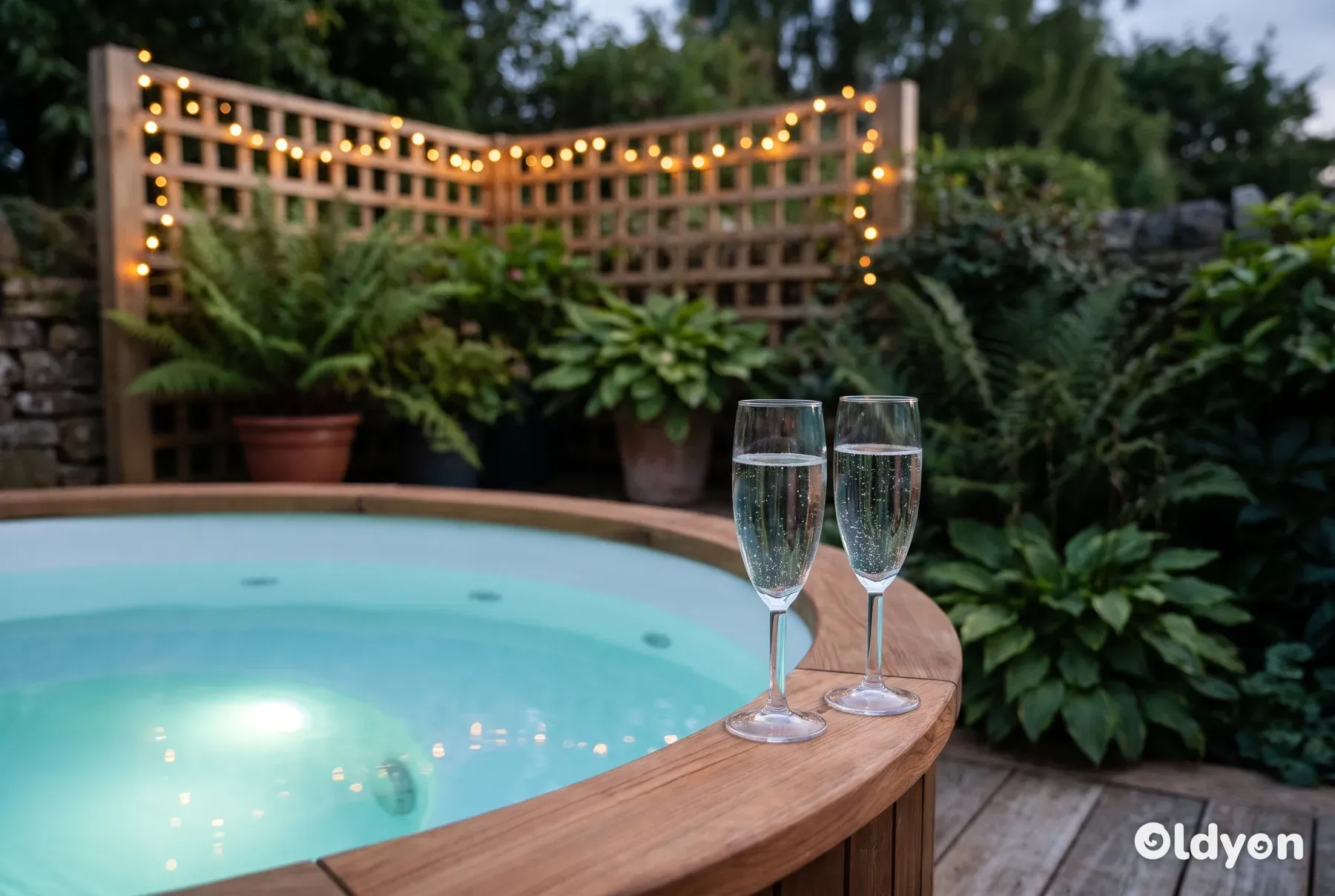
Location is the biggest driver of price, more than the size of the property. A remote stay in the Scottish Highlands, the Lake District or on a Cornish clifftop costs far more than a similar lodge on a holiday park.
Popular regions for hot tub breaks include the Scottish Highlands, the Lake District, Cornwall, the Jurassic Coast, Devon, Yorkshire and Wales. Secluded coastal stays for couples in these areas usually fall in the mid-range to luxury bands for two nights.
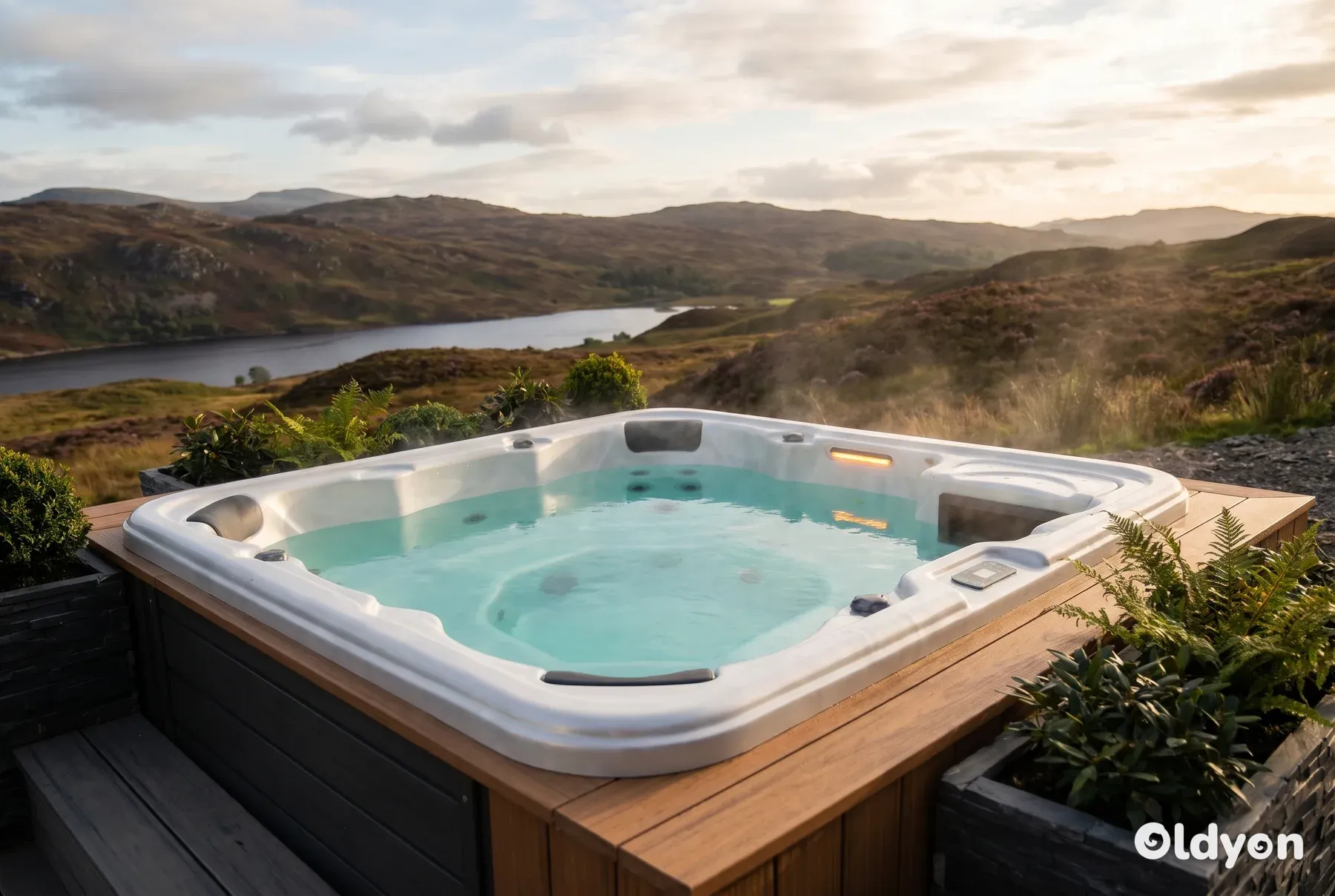
A luxury stay is mainly worth it for a special occasion, such as an anniversary, a honeymoon or a milestone birthday. For most other trips, a mid-range break gives you most of the experience for much less money.
Who runs the property also matters. Park and resort operators tend to offer more consistent standards and on-site facilities, while cottage agencies offer more private and characterful homes whose quality varies more. Whichever you choose, read reviews from the last year or two, because older reviews may not reflect how the property is run today.
Lodges
Lodges are the most comfortable option and the easiest choice for families or two couples travelling together. When the cost is shared between several adults, a lodge can work out cheaper per person than a small cabin for two.
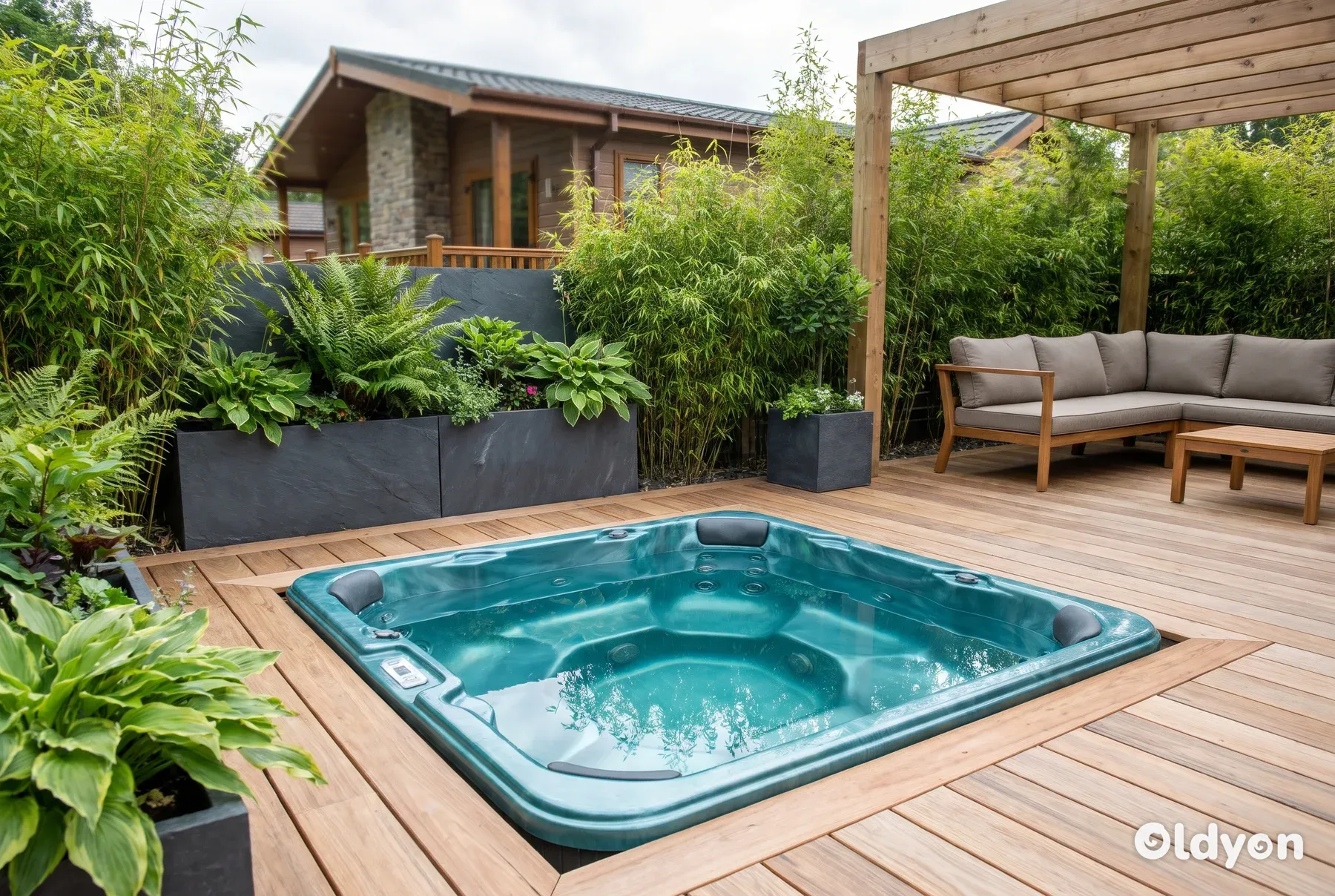
Lodges on holiday parks often come with walking routes, a shop or a restaurant. They may also come with park rules on tub hours and noise, so read these before you book.
Log cabins
Cabins are often more secluded and suit couples who want a quiet break. Many are run by independent owners, which can mean closer care of the tub but less consistency from one property to the next. Read recent reviews for comments about the tub itself, not only the cabin.
Glamping
Glamping pods, shepherd's huts, yurts and safari tents often have the lowest nightly prices. The trade off is space and warmth: a hut that feels lovely in May can feel cramped and cold in January.
Check whether the toilet and shower are inside your unit or in a shared block. Also check whether the hot tub belongs to your unit or is shared with other guests on the site.
Hot tub breaks UK: when is the best value?
Prices follow school holidays and weekends more than the weather. The same lodge can cost much less on a midweek stay in a quiet month than over a bank holiday weekend. Many operators offer Monday to Friday and Friday to Monday stays, and the midweek option is usually cheaper.
- Winter (November to March, outside Christmas, New Year, February half term and Valentine's Day): often the lowest prices, and a hot tub on a cold, clear night is at its best. Check that the path to the tub is lit and not slippery.
- Spring (April to May, outside Easter and the May bank holidays): good value, longer evenings and fewer people on site.
- Summer (late July to early September): the highest prices and the longest minimum stays, often a full week in popular areas. On hot days a tub at full temperature can feel too warm in the afternoon.
- Autumn (September to October, outside half term): often good value, with milder evenings than winter and quieter sites.
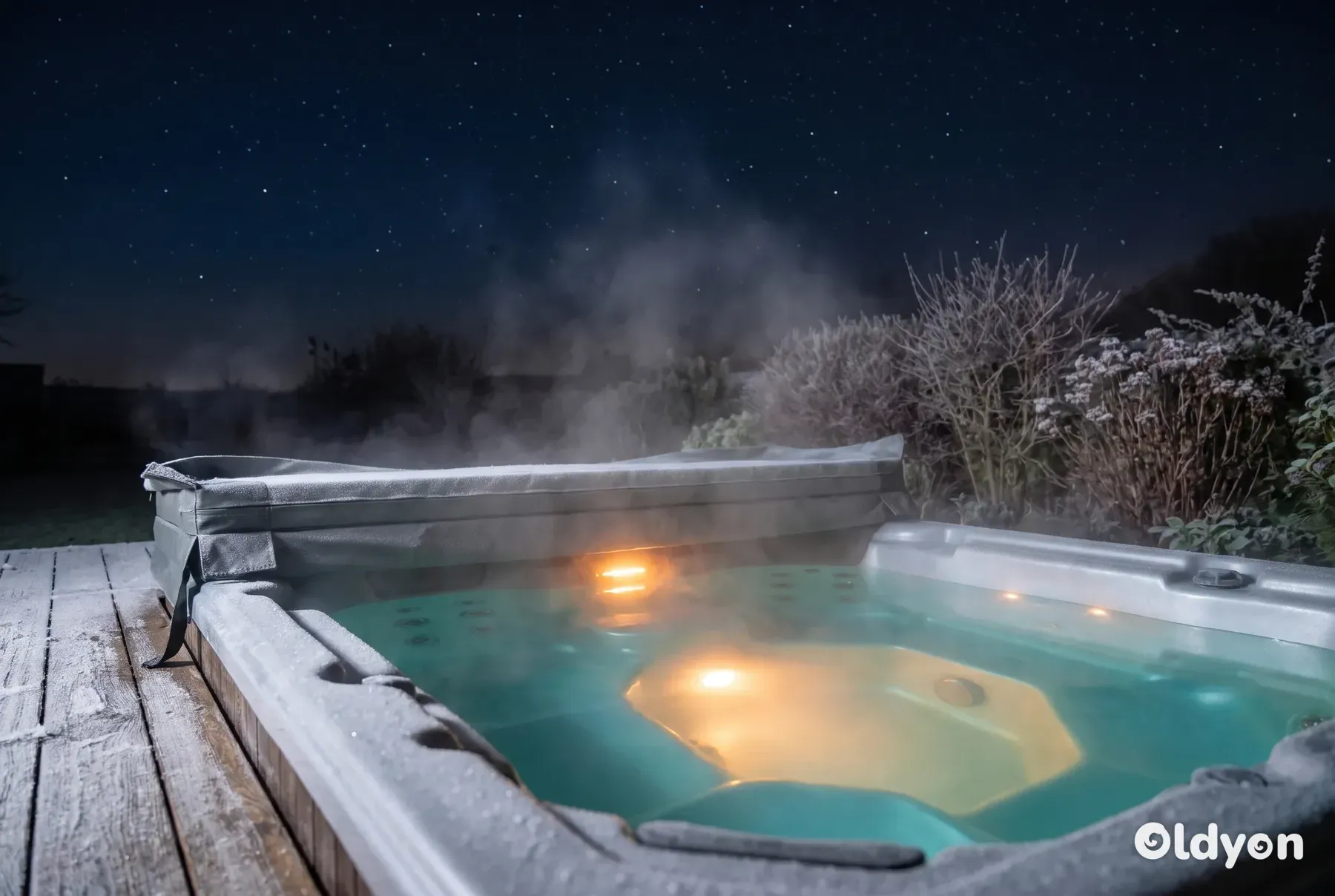
The best-value window for most people is an arrival from Monday to Thursday in March to May or September to October, outside school holidays. These dates combine good availability, lower prices and reasonable weather for sitting outside in the evening.
The seasonal difference can be large. As a rough guide, the same lodge can cost several hundred pounds more over a bank holiday weekend than on a midweek stay in March. If your dates are flexible, moving them by a few weeks can save more than choosing a cheaper property.
January is one of the busiest months for hot tub break demand, even though prices outside the holidays can be low. If you want a break in January or February, book it in the autumn, or by November or December at the latest, rather than leaving it to the last minute.
A two-night midweek stay often costs a good deal less than the same property from Friday to Sunday, and the difference can be large. Check the price for both before you decide on your dates.
As a rough guide, arriving on a Monday and leaving on a Wednesday can cost noticeably less than staying at the same property from Friday to Sunday. The exact saving depends on the property and the time of year.
At many properties, a two-night stay from Monday to Wednesday can cost around 30 to 40 percent less than the same two nights from Friday to Sunday. Treat this as a typical range rather than a promise, and compare both prices for the property you want.
For good value without relying on last-minute gaps, book about six to eight weeks ahead and aim for an arrival between Monday and Thursday. This usually gives you a reasonable choice of properties at midweek prices.
Last minute breaks can be cheaper when an owner has a gap to fill, especially midweek outside school holidays. Check holiday park operators and independent owners directly as well as the large booking platforms, because some owners only advertise short gaps on their own pages. The trade off is choice, as the best properties in peak weeks are often booked months ahead.
- Sign up for late-availability email alerts from holiday park operators and cottage agencies. These often go out midweek for the following weekend.
- Look at deal and voucher sites, which often sell discounted midweek lodge breaks, usually for dates two to six weeks ahead. Read the terms on dates and cancellation before you buy.
- Be flexible on region. The most popular areas, such as the Lake District and Cornwall, rarely have short-notice gaps, so a wider search gives you far more last-minute options.
Always compare the total price, not the headline nightly rate. Booking fees, cleaning charges, dog fees and sometimes a separate charge for the hot tub or firewood can change which option is really the cheapest. As a broad guide, a short off-peak stay for two may cost a few hundred pounds, while a large lodge in the summer holidays can cost well over a thousand.
What should you ask about water changes before you book?
This is the question that separates a good hot tub break from a disappointing one. A holiday hot tub is used by a different group every few days, often heavily, and the water needs proper care between and during stays. In Great Britain, hot tubs at holiday lets are covered by health and safety law, and the HSE's guidance on Legionella and water systems explains what operators are expected to do.
The main standard for operators is the HSE guidance document HSG282, which covers the control of legionella and other infectious agents in spa-pool systems. A well run holiday let should follow it, and a good owner will recognise the name if you mention it.
Good owners are happy to answer questions about their tub. If you get a vague or irritated reply, take that into account when you decide.
- Is the water drained and refilled between every booking, or treated and topped up?
- When the tub is fully drained, are the shell and the filtration system thoroughly cleaned as well, or is the water simply changed?
- If it is refilled, how long does it take to heat, and will it be ready when you arrive?
- Which sanitiser do they use, chlorine or bromine, and how often is the water tested?
- Do they keep a written record of water tests and maintenance?
- Do they have a documented legionella risk assessment for the tub?
- How often are the filters cleaned or replaced?
- Who checks the tub during your stay, and who do you call if there is a problem?
- For a shared tub: how many guests use it, and how often is the water tested and changed?
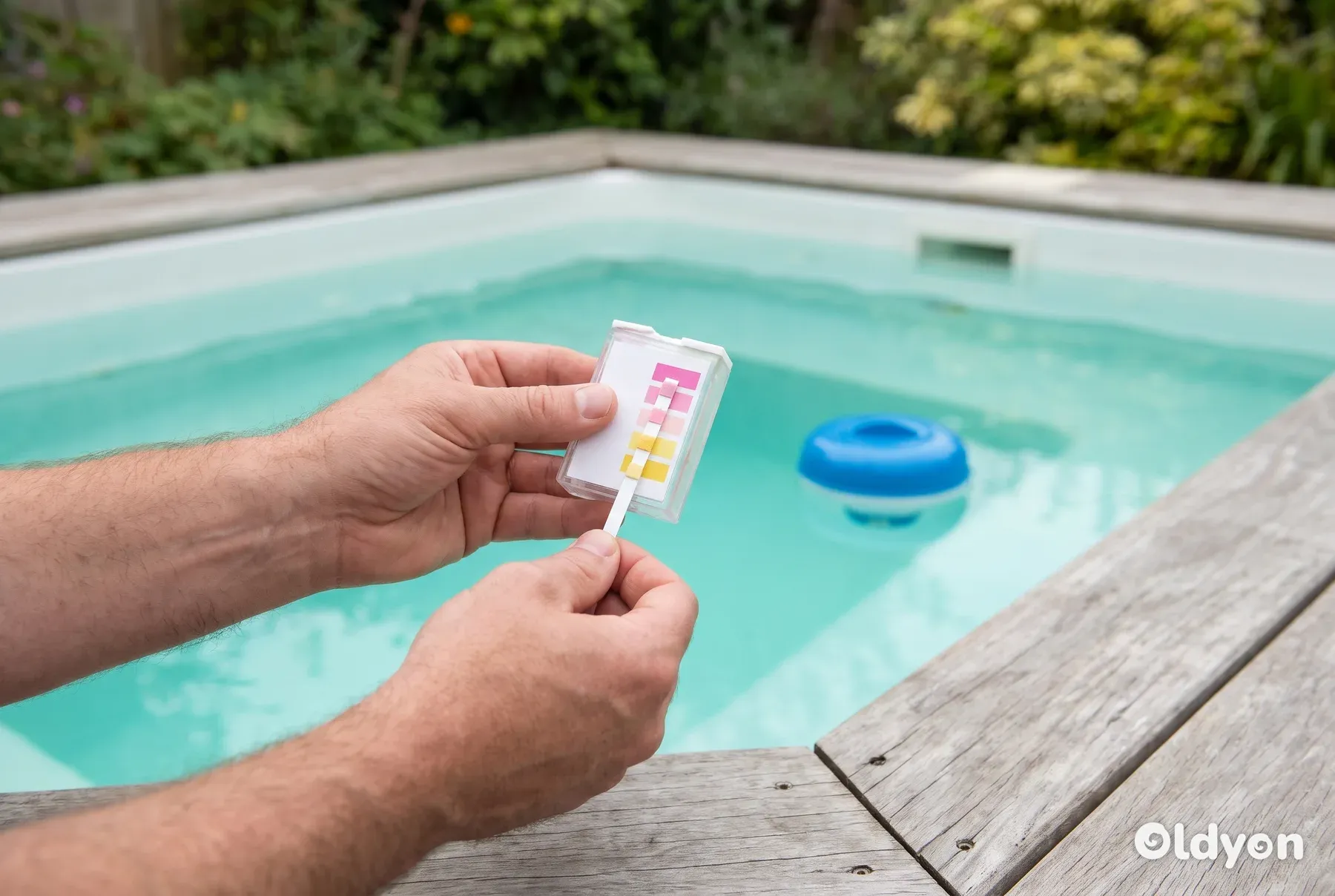
Fresh water alone is not enough. Residue and biofilm can build up on the shell, in the pipework and in the filters, and new water poured into a dirty system soon picks it up again. A good owner cleans the whole system at each full drain-down, not just the water.
Draining and refilling between every stay is common at smaller lets and is a good sign, but it is not the only acceptable method. Some well run sites keep water in use for longer and manage it with regular testing, dosing and filter care. What matters is that a competent person looks after the tub and checks it often.
Water treatment is the operator's job. As a guest you should not need to add chemicals to the tub yourself, and you should not be asked to. If a listing or welcome pack expects you to dose the water, ask the owner to explain why before you book.
Well kept water is clear, does not feel slimy and has no strong smell. In an electric tub, typical targets are free chlorine 3-5 ppm or bromine 3-5 ppm, with pH 7.2-7.6. For more on what to check when you arrive, read our guide on whether the hot tub at your holiday let is clean.
If the water is cloudy, green, foamy or slimy, or has a strong chemical or musty smell, do not get in. Put the cover back on, take a photo and contact the owner. A good operator will fix it quickly or explain what they will do about it.
If you want to understand the owner's side, our articles on choosing a hot tub for a holiday let and running a hot tub on Airbnb explain the routines a good operator should follow.
How private is the hot tub really?
Privacy matters most for couples, and listing photos are often taken from angles that hide the neighbours. A tub on a deck facing open countryside feels very different from one that faces the next lodge on a busy park.
Read the wording of the listing closely. Phrases such as "hot tub access" or "hot tub available" without the word "private" often mean a shared tub. Look for wording such as "private hot tub on your own decking" or "exclusive to your party", and ask the owner if the description is unclear.
- Ask how far away the nearest property is, and whether any windows or paths overlook the tub.
- Look at the site map or a satellite view to see how closely the units are spaced.
- Check for screening such as fencing, hedges or a covered pergola.
- Ask whether the tub is for your group only for the whole stay, or shared on a timetable.
- Check the site rules on tub hours, such as no use after a set time at night.
- On budget listings in particular, get written confirmation that the hot tub is private before you pay.
If you would prefer a hotel room with a tub on your own terrace or balcony, see our guide to finding UK hotels with a private hot tub.
Romantic breaks on a budget
For couples watching the cost, a midweek cabin or glamping stay outside school holidays usually gives the best balance. Two or three nights keeps the total down while still giving you several evenings in the tub.
Bringing your own food and planning walks rather than paid activities often makes a bigger difference to the final bill than a slightly cheaper property. Spend a little more on a tub that is well looked after rather than less on one you are unsure about.
What should families, dog owners and groups check?
Families with children
Children overheat faster than adults, and many manufacturers recommend lower temperatures and shorter sessions for them. Some lets set a minimum age for using the tub, so check before you book if you have young children.
Minimum ages differ between operators. Many set a minimum age of 5, while some set 8 or 12, so check the policy of the specific property rather than assuming.
Many operators also require children under 16 to be supervised by an adult at all times when they use the hot tub. Check the property's supervision rule as well as its minimum age, so you know before you arrive whether older children can use the tub on their own.
If you are travelling with children under about five who will not be allowed in the tub, a standard self-catering cottage may be better value than a hot tub break. You would be paying extra for a feature that part of your group cannot use.
- What is the tub's maximum number of bathers, and does it suit your group? A four-seat tub shared by two adults and three children quickly becomes crowded.
- Is there a lockable safety cover with working clips or straps?
- Is the tub away from steps and drops, with a non-slip surface around it?
- Can you lower the temperature yourself, or is it fixed by the owner?
- Is the garden enclosed, so small children cannot reach the tub on their own?
- Is there indoor entertainment, such as games, books or a television, for rainy days?
Children can only spend a short time in a hot tub, so plan for the rest of the day. Holiday parks with swimming pools and play areas give children plenty to do beyond tub time.
Always supervise children in and around a hot tub, even when the cover is on. Never leave a child alone in the water, even for a moment.
Dog-friendly breaks
Many lodges and cabins welcome dogs, but dogs should stay out of the tub. Dog hair and dirt clog the filter and use up sanitiser, and hot water is not good for dogs. Check how many dogs are allowed, whether there is a charge and whether the garden is fully fenced.
Check that dogs are allowed in your specific unit, not just on the wider site, because some parks only allow dogs in certain lodges. Also ask whether there are rules that keep dogs off the decking or the furniture.
Ask whether there are walking routes directly from the site. Being able to walk straight out of the door means you can exercise the dog morning and evening without driving anywhere.
Dog-friendly hot tub breaks are available in every price band. As a rough guide, a three-night stay for two in a dog-friendly lodge in an area such as North Yorkshire often sits in the mid-range band, while larger lodges in premium coastal locations can reach the luxury band. Remember to add any dog fee to the total.
As an example, a three-night stay for two in a dog-friendly lodge in North Yorkshire starts at roughly £420 to £450, while larger lodges in premium coastal locations can cost more than £800. Prices change with the season, so check current rates for your dates.
Keep the cover on and secured whenever the tub is not in use. This stops a dog from jumping onto the cover or falling into the water.
Larger groups
Compare the number of seats in the tub with the size of your group. A six-seat tub for ten people means taking turns, and more bathers at once puts more strain on the water treatment. Ask whether the owner checks the water more often for larger bookings.
How do you use a holiday hot tub safely?
Holiday hot tubs are generally safe when they are well run and used sensibly. A few simple habits protect you and the guests who come after you.
- Look at the water before you get in. It should be clear, with no strong smell and no slimy feel.
- Check the temperature. It should be no hotter than 40°C (104°F), and lower for children.
- Shower before you get in, to keep sweat, lotions and make-up out of the water.
- Limit your time in the water. Many manufacturers suggest about 15-20 minutes at a time, so follow the instructions at the property and get out sooner if you feel hot or dizzy.
- Drink water, and avoid alcohol in or just before the tub, because it increases the risk of overheating and dizziness.
- Put the cover back on and secure it after each use.
Do not use the tub if you have had diarrhoea or vomiting in the last 48 hours, or if you have an open wound or a skin infection. If you have a heart condition, high or low blood pressure, or take medicines that affect your heart rate, speak to your GP or pharmacist before using a hot tub.
If you are pregnant, the NHS advises avoiding getting too hot, including in hot tubs and saunas. Speak to your midwife or GP before using one.
Legionella bacteria grow in warm water, roughly 20-45°C according to the HSE, which includes normal hot tub temperatures. People are infected by breathing in the fine spray that the jets create, not by swallowing water. This is why chemical disinfection and regular testing matter so much in a hot tub.
Legionnaires' disease is a serious form of pneumonia, an infection of the lungs, not a minor illness. That is why proper water treatment in a hot tub matters, and why the questions about water care earlier in this guide are worth asking.
Legionnaires' disease is rare, but poorly maintained hot tubs are a known source. If you develop a cough, fever, muscle aches or breathing problems in the days after a stay, contact your GP or NHS 111 and mention the hot tub. The NHS page on Legionnaires' disease explains the symptoms.
What are the most common booking mistakes?
- Booking from photos alone, without asking how the tub is maintained.
- Assuming a listing with a hot tub means a private tub, when it is shared.
- Arriving to a cold tub because it was refilled on the day and has not had time to heat.
- Missing extra charges for firewood, dogs or use of the tub.
- Not checking the cancellation terms, especially on cheaper non-refundable rates.
- Booking a remote glamping site in mid-winter without checking the heating and the walk to the tub after dark.
- Setting a very small budget. Under about £150 for the whole break, the options tend to have shared tubs, little privacy or dated facilities. About £200 to £300 for two nights midweek is a more realistic budget for a good first break.
A hot tub break may not suit you if anyone in your group has a health condition made worse by heat. It may also be difficult if you need step-free access, because many tubs have high sides and steps. Ask the owner about access before you book, not when you arrive.
A self-contained hot tub lodge is designed for quiet evenings. If you want a busy break with entertainment, restaurants and evening activities, it may feel too quiet, and a large resort may suit you better.
Choosing a good hot tub break
Pick the type of stay that suits your group: a lodge for families and groups, a cabin for couples, or glamping for a simple short break. Book midweek and outside school holidays for the best value, and compare the total price including all extras.
Above all, ask how the water is changed, tested and looked after before you pay. A clean, well run tub and a clear answer from the owner are worth more than any view.
Frequently asked questions
How far ahead should I book a hot tub break?
For school holidays, bank holidays and Christmas, popular lodges and cabins are often booked several months ahead, so book early if your dates are fixed. For midweek stays in quieter months, you can often find good options a few weeks before, and sometimes only days before. If your dates are flexible, look for short gaps between other bookings, which owners sometimes offer at a lower price.
Is it normal for the hot tub to be cold when I arrive?
It should not be. If the tub is drained and refilled between guests, the owner should allow enough time for it to heat, which can take many hours for an electric tub filled with cold water. Ask before you travel when the tub will be ready. For a wood-fired tub, you may be expected to light the stove yourself, so ask how long it usually takes.
Can I change the temperature of a holiday hot tub?
That depends on the property. Some owners lock the controls, while others let guests adjust the temperature within a set range. In either case the water should not go above 40°C (104°F). If you want it cooler for children or on a warm day, ask the owner how to adjust it, and remember that the tub will take time to warm up again.
What should I bring for the hot tub?
Bring swimwear, a robe or warm layers, and sandals for the walk to the tub, especially in winter. Towels are sometimes supplied for the tub, but check first. Do not bring bath products, oils or bubble bath, because they cause foam and upset the water treatment. If you have sensitive skin, a quick shower after each session can help.
Who checks that holiday hot tubs are safe?
The operator is responsible for managing the risks of any hot tub they provide to guests. In Great Britain this falls under health and safety law, with guidance from the HSE, and either the local council or the HSE can investigate problems depending on the type of business. Good operators keep records of water tests and will tell you how often the water is checked.
What should I do if the hot tub stops working during my stay?
Stop using it, put the cover on and contact the owner or site reception straight away. Take photos and note the time, as this helps if you later ask for a partial refund. Do not try to repair pumps, heaters or wiring yourself. If anything looks damaged and you know where it is, switch off at the isolator only if it is safe to do so.
Filed under